









21
Jun
Jun

What Does Zabiha Mean for Muslims Living in the USA?
-
Admin_Zabiha / 4 years
- June 21, 2022
- 0
- 4 min read

For Muslims living in the United States, food choices are not just about taste or convenience—they are deeply connected to faith, identity, and daily religious practice. One term that comes up frequently when discussing halal food is Zabiha. While many people hear the word often, its true meaning and importance are sometimes misunderstood, especially in a Western context. Understanding what Zabiha means helps Muslim consumers make informed dining decisions and maintain religious confidence while living in a non-Muslim majority country.
Understanding the Meaning of Zabiha
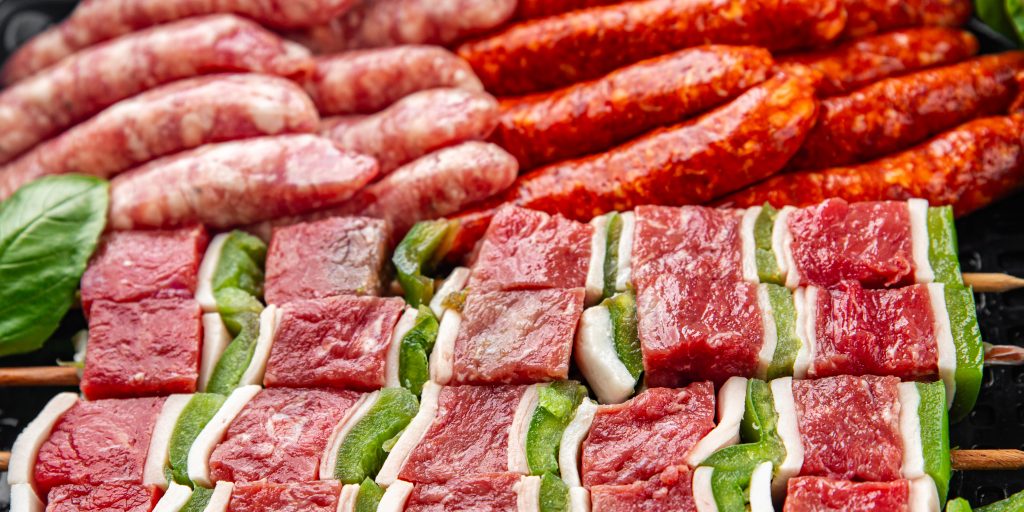
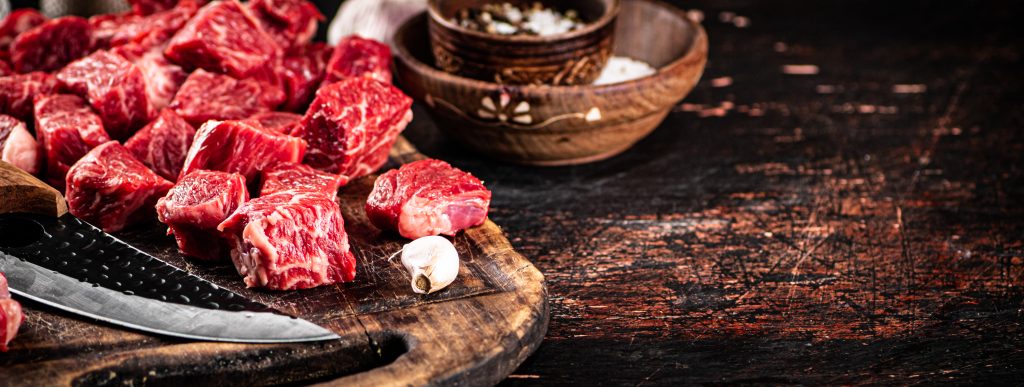
Zabiha refers specifically to the Islamic method of slaughtering animals for consumption. It is not merely a label; it is a religious process rooted in Islamic teachings. For meat to be considered Zabiha, the animal must be slaughtered by a sane adult Muslim (or in some interpretations, a person from the People of the Book), the name of Allah must be pronounced at the time of slaughter, and the blood must be fully drained from the animal. The slaughter is performed in a humane manner, ensuring minimal suffering.
For Muslims in the USA, Zabiha is often confused with the broader term “halal.” While all Zabiha meat is halal, not all halal meat is necessarily Zabiha. This distinction becomes especially relevant in American grocery stores and restaurants.
Zabiha vs. Halal in the American Context
In the United States, many establishments label their meat as “halal” without clearly specifying whether it is Zabiha. Some halal certifications allow machine slaughter or omit verbal prayer for each animal, which may not meet the Zabiha standard that many Muslims follow. As a result, observant Muslims often seek out restaurants or butchers that explicitly state “Zabiha halal.”
For Muslims who grew up in Muslim-majority countries, Zabiha was often assumed and rarely questioned. In the USA, however, food sourcing is more complex, making awareness and verification essential. This reality has led to increased demand for transparency within the halal food industry.
Why Zabiha Matters for Muslims Living in the USA
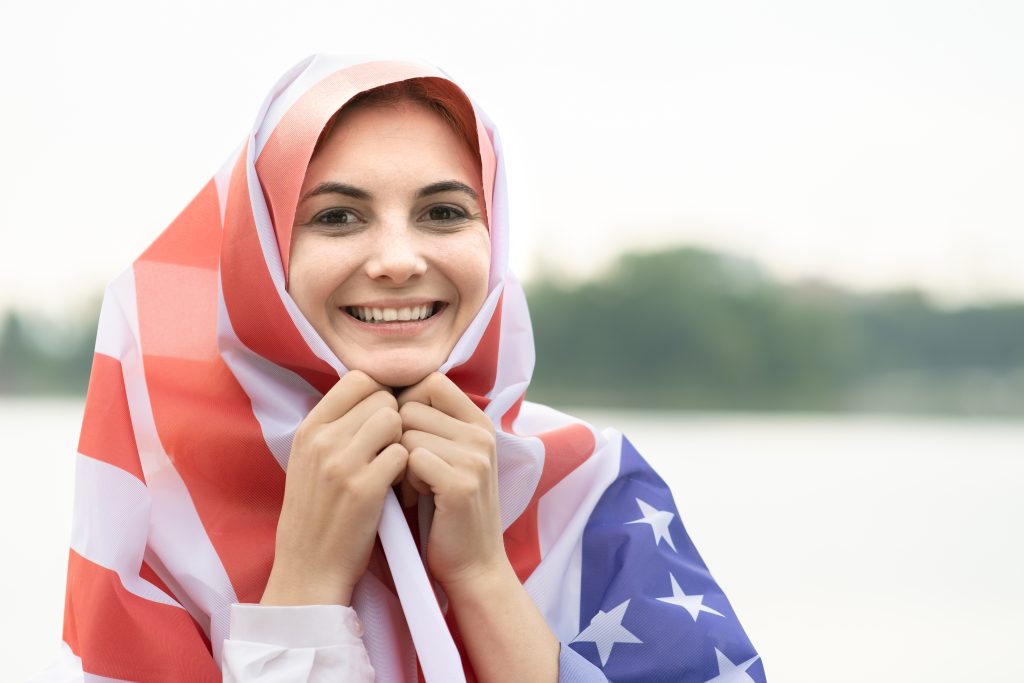
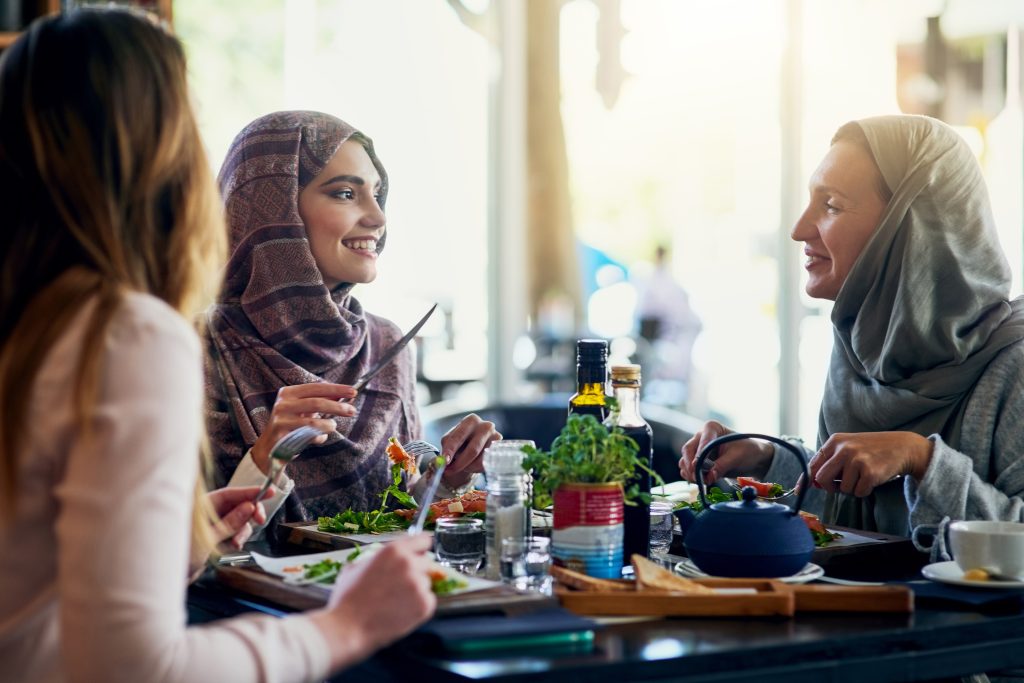
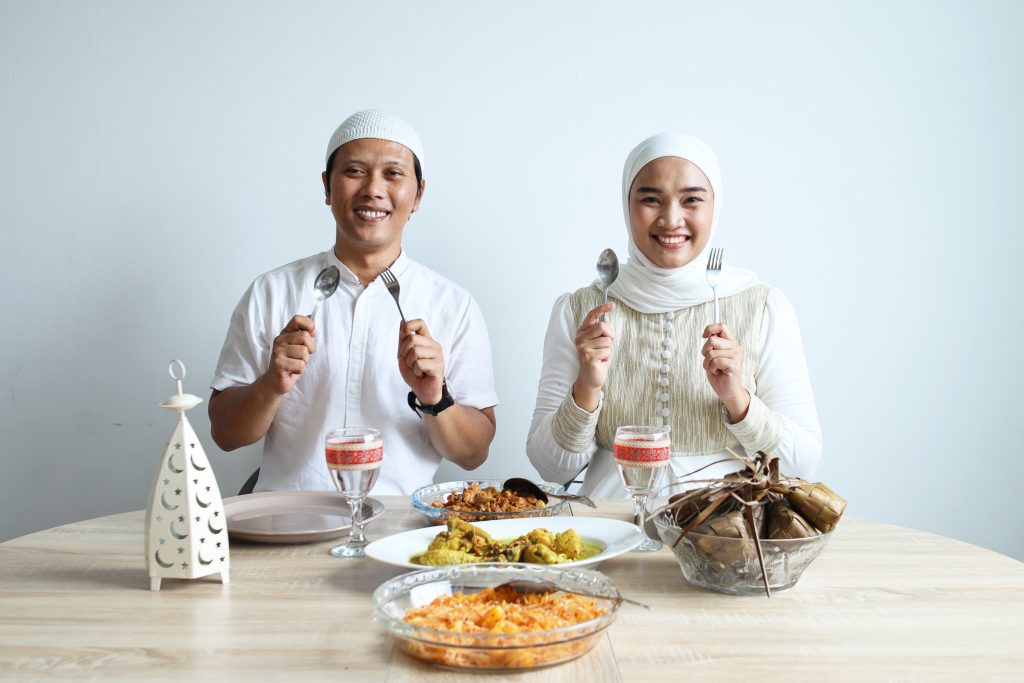
Living in a diverse society like the United States means Muslims are exposed to a wide range of food options, but not all of them align with Islamic dietary laws. Zabiha provides religious reassurance. It allows Muslims to eat meat with confidence, knowing that their food meets the highest standards of Islamic compliance.
Beyond religious obligation, Zabiha also carries ethical and spiritual significance. Many Muslims believe that meat slaughtered according to Zabiha principles is cleaner, more humane, and spiritually wholesome. This belief strengthens the emotional and religious connection to food.
Challenges Muslims Face When Finding Zabiha Food
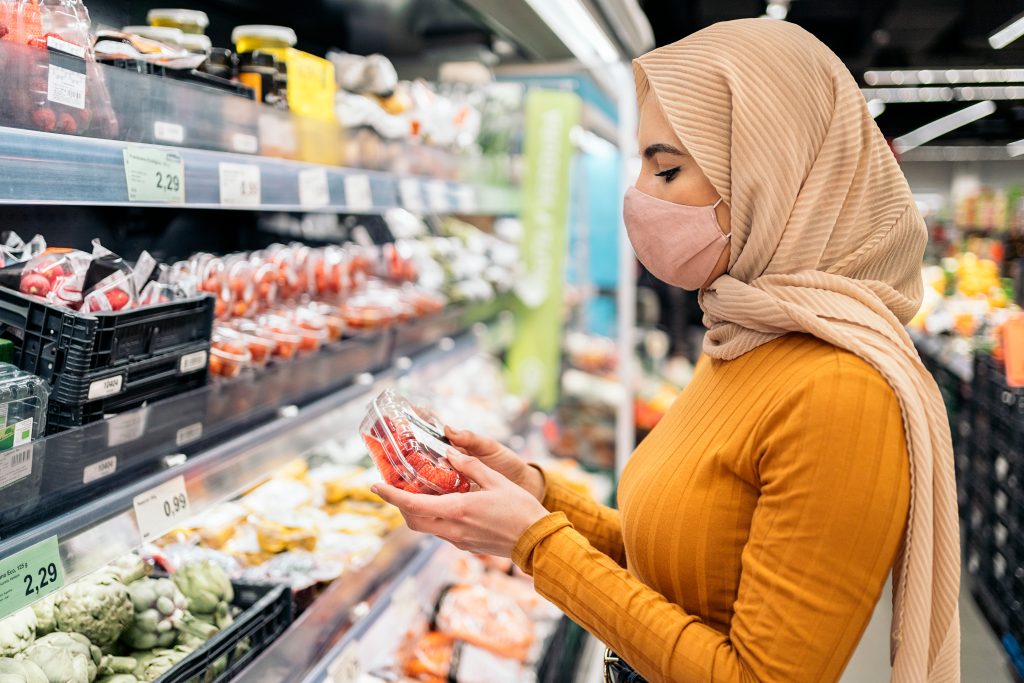
One of the biggest challenges for Muslims in the USA is identifying authentic Zabiha sources. Restaurants may advertise halal options without clear certification. Grocery stores may sell imported halal meat that does not meet Zabiha requirements. Language barriers, lack of regulation, and inconsistent certification standards add to the confusion.
As a result, many Muslims rely on community recommendations, local mosque guidance, or trusted halal directories. Zabiha restaurants often gain loyal followings because trust plays a major role in dining decisions.
Growth of Zabiha Restaurants in the United States
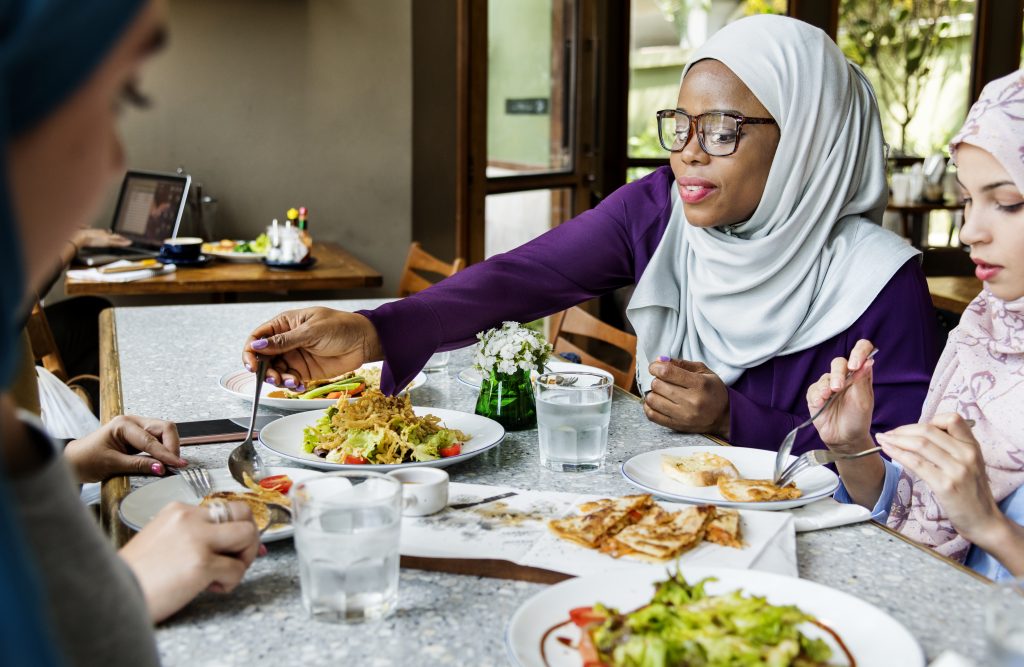
Over the past decade, Zabiha restaurants have grown significantly across major US cities such as New York, Chicago, Houston, and Los Angeles. This growth reflects both an increasing Muslim population and greater awareness about Islamic dietary practices. Many restaurant owners now clearly label their establishments as “Zabiha halal” to distinguish themselves from generic halal offerings.
This rise has also influenced non-Muslim consumers who associate Zabiha with ethical slaughter and higher quality meat, further expanding its appeal.
Making Informed Choices as a Muslim Consumer
For Muslims living in the USA, understanding Zabiha empowers better decision-making. Asking questions, checking certifications, and supporting transparent businesses helps maintain religious integrity while encouraging industry accountability. Choosing Zabiha is not about restriction—it is about conscious, faith-aligned living.
Conclusion
Zabiha holds deep religious, ethical, and cultural importance for Muslims in the United States. In a landscape where halal labels can vary in meaning, Zabiha serves as a clear and trusted standard. As awareness grows and access improves, Zabiha continues to play a vital role in helping Muslims practice their faith confidently while navigating life in America.