












































Understanding Zabiha Supply Chains in America


For Zabiha restaurants in the United States, a reliable supply chain is the difference between daily consistency and operational risk. Understanding the Zabiha supply chain in America reveals how religious compliance, food safety, logistics, and market realities intersect. From farm to fork, each link must function correctly to preserve trust with customers and maintain business continuity.
The Zabiha Supply Chain: An Overview
At a high level, the Zabiha supply chain includes:
-
Livestock sourcing
-
Zabiha-compliant slaughter
-
Processing and packaging
-
Cold-chain transportation
-
Distribution to restaurants and markets
Unlike conventional meat supply chains, Zabiha chains require additional verification at each stage to ensure religious requirements are met without interruption.
Livestock Sourcing and Pre-Slaughter Controls
The supply chain begins at the farm. While animals may come from conventional livestock operations, suppliers selected for Zabiha must meet specific handling and welfare expectations. Traceability is increasingly important, allowing distributors to document where animals originate and how they are managed prior to slaughter.
This early-stage transparency sets the tone for downstream compliance.
Slaughter and Primary Processing
Zabiha-compliant slaughter is the most critical stage. In the USA, this typically occurs at facilities that are:
-
Halal-certified
-
USDA-inspected
-
Audited regularly
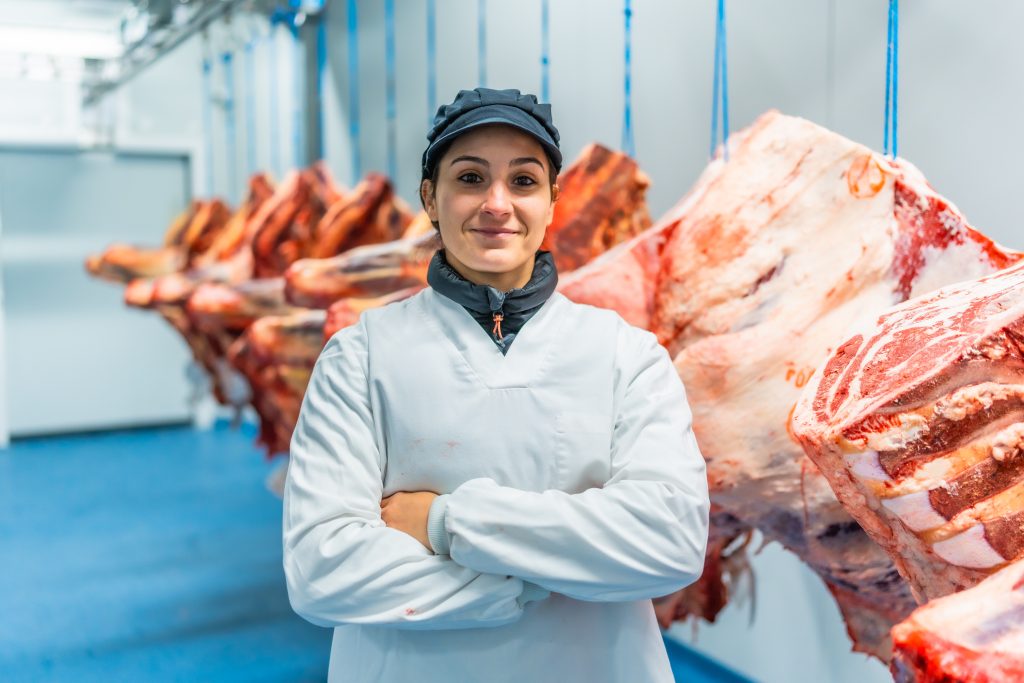
These facilities often operate on scheduled Zabiha slaughter days or dedicated lines to avoid cross-contamination. Clear documentation accompanies each batch, linking product to time, method, and oversight.
Secondary Processing and Value-Added Products
After slaughter, meat may undergo further processing—cutting, grinding, marinating, or packaging—either at the same facility or at secondary processors. Each step must maintain separation from non-Zabiha products.
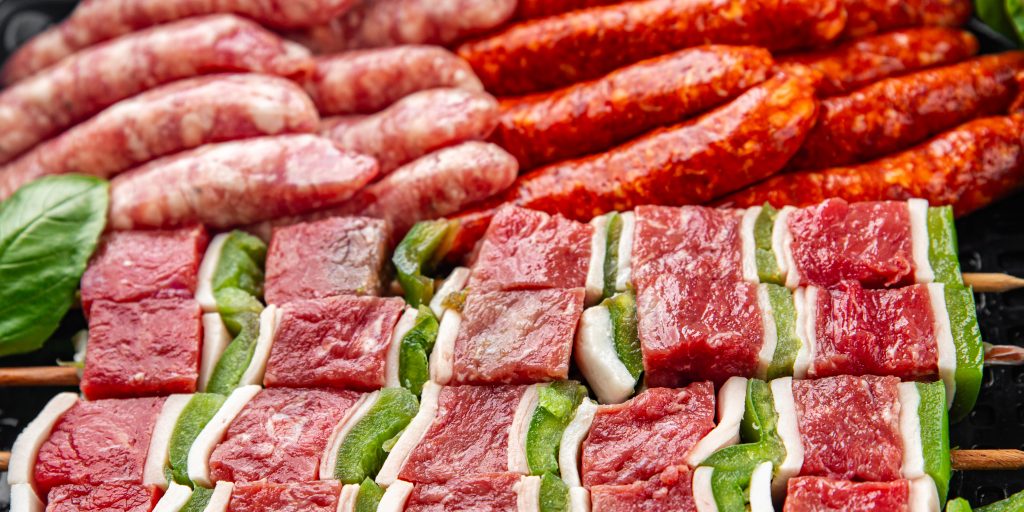
Value-added items (e.g., ground meat, kebabs, sausages) increase complexity and require stricter controls, labeling, and audits to maintain integrity throughout processing.
Cold Chain and Transportation Logistics
Temperature control is non-negotiable. The cold chain—refrigerated storage and transport—protects both food safety and product quality. Zabiha suppliers use:
-
Sealed, labeled packaging
-
Dedicated refrigerated trucks or compartments
-
Time-bound delivery windows
Any break in the cold chain risks spoilage and undermines compliance, making logistics a central pillar of the supply chain.
Distribution Models Across the USA
Distribution varies by region and scale:
-
Regional distributors serve metro areas with frequent deliveries
-
National distributors support multi-location restaurants and chains
-
Direct-to-restaurant models are common with local butchers
Many restaurants blend these models to balance freshness, availability, and cost. In less-served regions, deliveries may be less frequent, requiring freezer storage and advanced planning.
Documentation and Traceability
Strong Zabiha supply chains prioritize documentation. Restaurants and distributors maintain:
-
Invoices and batch records
-
Certification documents
-
Delivery logs
This traceability enables quick verification when customers ask questions and provides protection during audits or disputes.
Managing Demand Spikes and Seasonality
Demand for Zabiha meat spikes during:
-
Ramadan
-
Eid holidays
-
Community events
Suppliers plan months in advance—securing capacity, increasing slaughter schedules, and coordinating logistics—to avoid shortages. Restaurants that communicate forecasts early are better positioned to maintain consistent menus during peak periods.
Cost Pressures and Margin Management
Zabiha supply chains often face higher costs due to:
-
Smaller batch sizes
-
Manual oversight
-
Certification and auditing
Distributors and restaurants collaborate to manage margins—optimizing cuts, forecasting demand accurately, and reducing waste—without compromising compliance.
Regional Gaps and Access Challenges
Access to robust Zabiha supply chains is uneven across the USA. Major metro areas benefit from competition and choice, while smaller cities may rely on distant suppliers. To bridge gaps, communities sometimes organize group purchasing or support new distribution initiatives.
These local solutions strengthen access and resilience.
Technology Improving Supply Chain Visibility
Modern supply chains increasingly use technology for:
-
Inventory tracking
-
Delivery scheduling
-
Demand forecasting
Digital tools improve accuracy, reduce waste, and help restaurants anticipate shortages—bringing Zabiha operations closer to the efficiency of conventional systems while retaining compliance.
Risk Management and Contingency Planning
Experienced operators plan for disruptions—weather delays, facility shutdowns, or transportation issues. Backup suppliers, flexible menus, and safety stock help restaurants stay operational when disruptions occur.
Resilience is built into strong supply chains.
Why Supply Chains Define Customer Trust
Customers may never see supplier contracts or delivery logs, but they feel the impact through consistent availability and quality. One disruption or inconsistency can erode trust quickly. That is why serious operators invest heavily in supplier relationships and oversight.
Supply chains are invisible—but foundational.
Conclusion
Understanding Zabiha supply chains in America reveals a system built on verification, logistics, and trust. From certified slaughter and careful processing to cold-chain transport and transparent documentation, each link protects both religious integrity and food safety. For restaurant owners, a strong supply chain is not optional—it is the backbone of credibility, consistency, and long-term success in the US Zabiha industry.