Cooking Zabiha Meals at Home That Taste Like Takeout

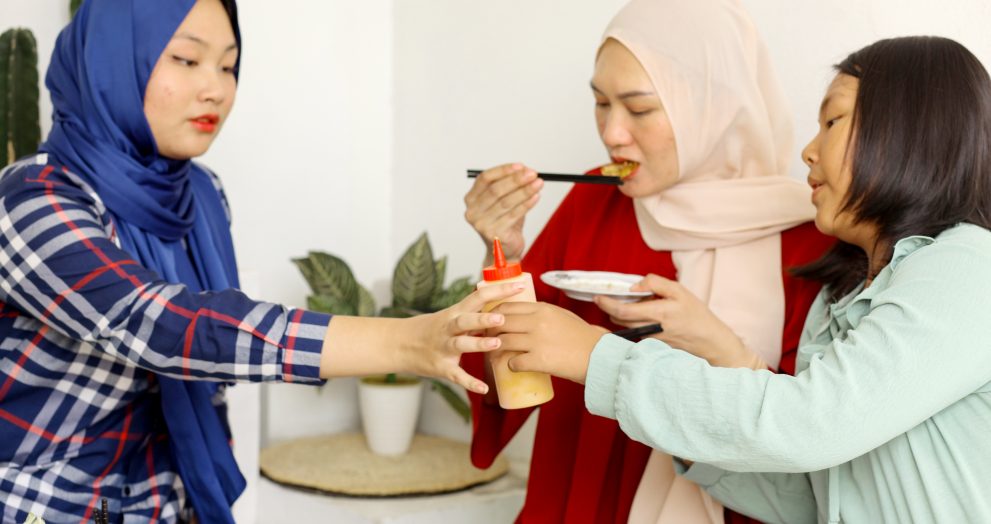
Takeout has become a regular part of American life. Busy schedules, long commutes, and convenience often make restaurant meals feel unavoidable. For Muslim families, Zabiha takeout is familiar, flavorful, and comforting—but it can also be high in oil, sodium, and cost. The good news is that you can cook Zabiha meals at home that taste just like takeout, while staying healthier and more consistent.

Biggest Challenges for Zabiha Restaurant Owners in the USA

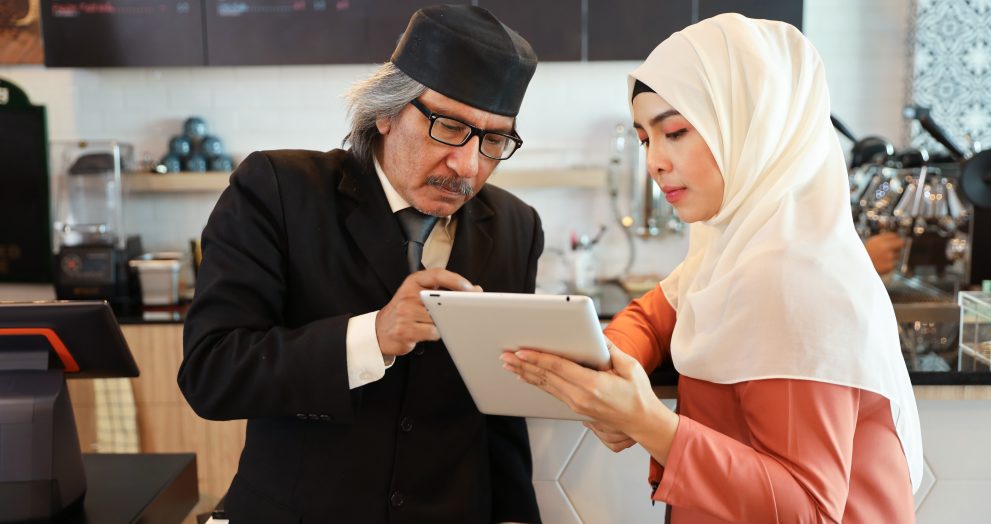
Running a Zabiha restaurant in the United States involves far more than good food and customer service. Owners operate at the intersection of religious compliance, regulatory oversight, supply constraints, and competitive market pressures. Understanding the biggest challenges faced by Zabiha restaurant owners in the USA explains why consistency, transparency, and community trust require constant effort.

Maintaining Zabiha Compliance in American Markets

Maintaining Zabiha compliance in the United States is an ongoing process—not a one-time certification. For restaurant owners, compliance must be embedded into daily operations, staff behavior, supplier relationships, and customer communication. In a highly regulated food market with diverse interpretations of halal, consistent Zabiha compliance is both a religious obligation and a business imperative.

How the Zabiha Market Is Growing in America

The Zabiha market in the United States is experiencing steady and sustained growth. What was once a community-dependent niche has evolved into a structured, expanding industry driven by demographics, consumer awareness, and changing food values. Understanding how the Zabiha market is growing in America highlights why Zabiha dining is becoming a permanent part of the US food landscape.

  • 1
  • 2