






























Nutritional Benefits of Zabiha Meat for American Diets

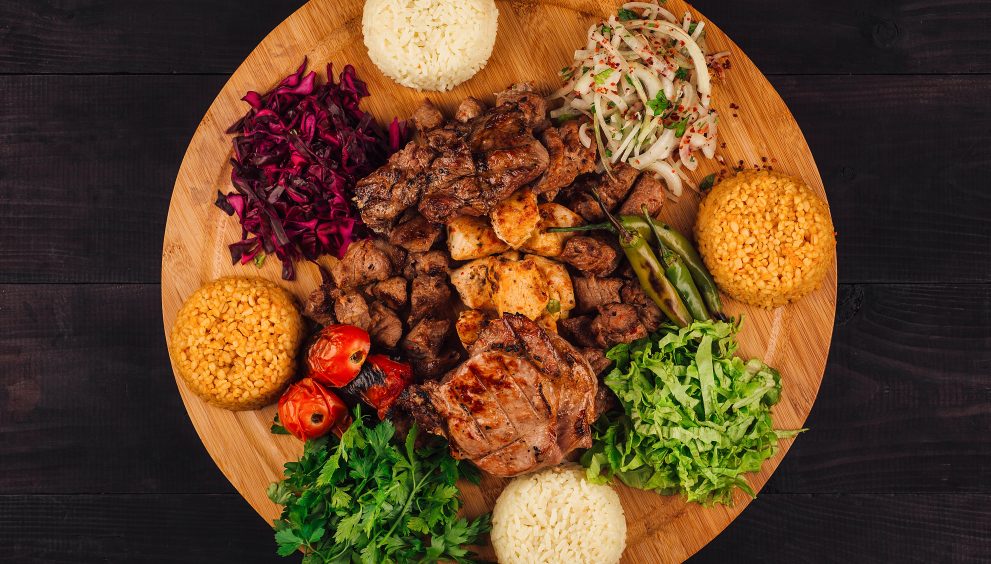
As Americans become more intentional about what they eat, nutrition has moved to the center of everyday food choices. Protein quality, micronutrients, and clean sourcing now matter more than ever. For Muslim families in the United States, Zabiha meat is not only a religious obligation but also an important nutritional component of the American diet. When examined closely, Zabiha meat fits well into modern US nutrition goals while offering several unique benefits.
High-Quality Protein for American Lifestyles
Protein is a cornerstone of the American diet, especially for individuals focused on fitness, weight management, and overall health. Zabiha meat provides complete protein, meaning it contains all essential amino acids required for muscle repair, immune function, and metabolic health.
For active Americans—whether gym-goers, working professionals, or growing children—Zabiha meat supports energy levels and satiety. Its protein density makes it especially useful for balanced meals without relying on ultra-processed alternatives.
Rich Source of Essential Vitamins and Minerals
Zabiha meat contributes significantly to daily micronutrient intake. Key nutrients include:
-
Iron, which supports oxygen transport and prevents fatigue
-
Vitamin B12, essential for nerve health and red blood cell formation
-
Zinc, important for immune function and wound healing
-
Niacin (Vitamin B3), which supports metabolism and heart health
In American diets—where deficiencies in iron and B12 are common, particularly among women and older adults—Zabiha meat plays an important nutritional role.
Lower Residual Blood and Nutrient Integrity
One distinguishing feature of Zabiha meat is the complete drainage of blood during slaughter. While blood itself contains nutrients, it also carries waste products and microorganisms. From a clean-eating perspective, reduced residual blood can contribute to better meat purity and stability.
Many consumers report that Zabiha meat feels lighter and cleaner when consumed, which may enhance overall eating comfort—an important consideration for digestion-sensitive individuals.
Supports Clean Eating and Whole-Food Diets
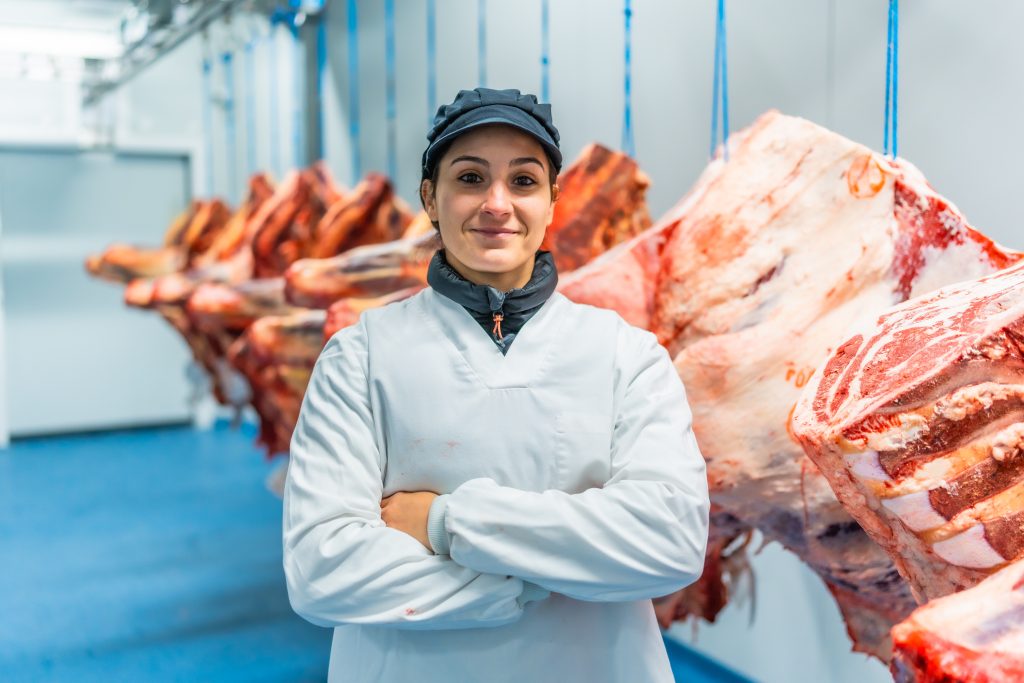
In the US, clean eating emphasizes whole foods with minimal processing. Zabiha meat aligns well with this philosophy because it is typically sold in fresh, minimally processed forms, especially when purchased from halal butchers rather than large-scale industrial outlets.
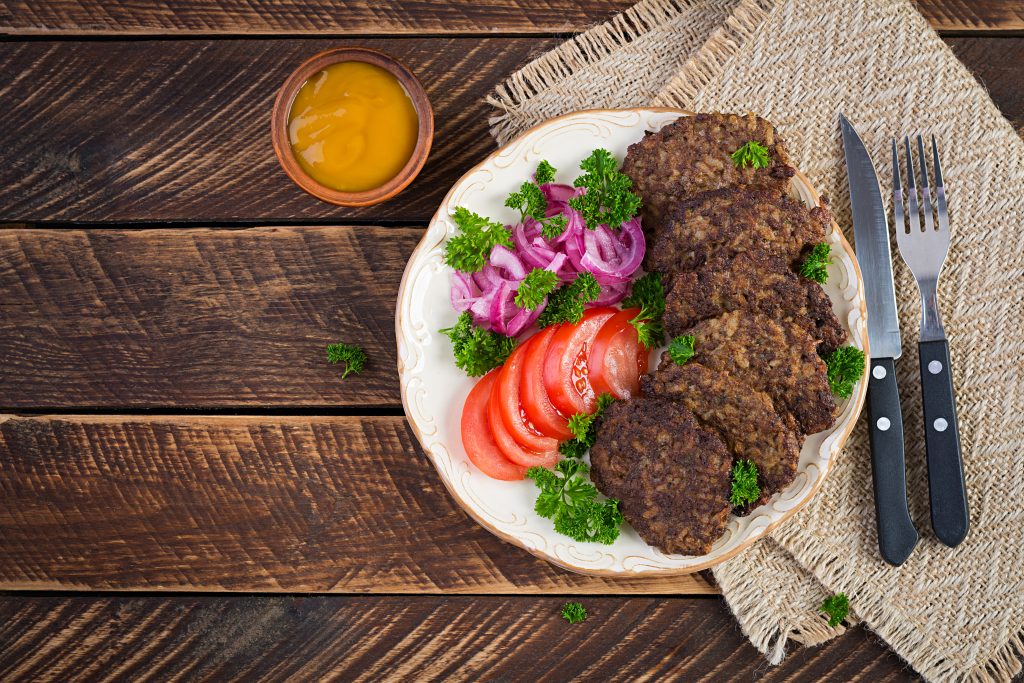
When paired with vegetables, whole grains, and healthy fats, Zabiha meat integrates seamlessly into balanced American meal patterns such as Mediterranean-style diets, high-protein meal plans, and low-carb lifestyles.
Favorable Fat Profiles When Sourced Responsibly
The nutritional profile of Zabiha meat depends heavily on sourcing. Many Zabiha suppliers in the USA cater to consumers seeking better-quality meat, which often overlaps with:
-
Grass-fed or pasture-raised options
-
Reduced antibiotic usage
-
Lower saturated fat content
When responsibly sourced, Zabiha meat can support heart health and weight management—two major concerns in American nutrition.
Better Fit for Fitness and Muscle Recovery
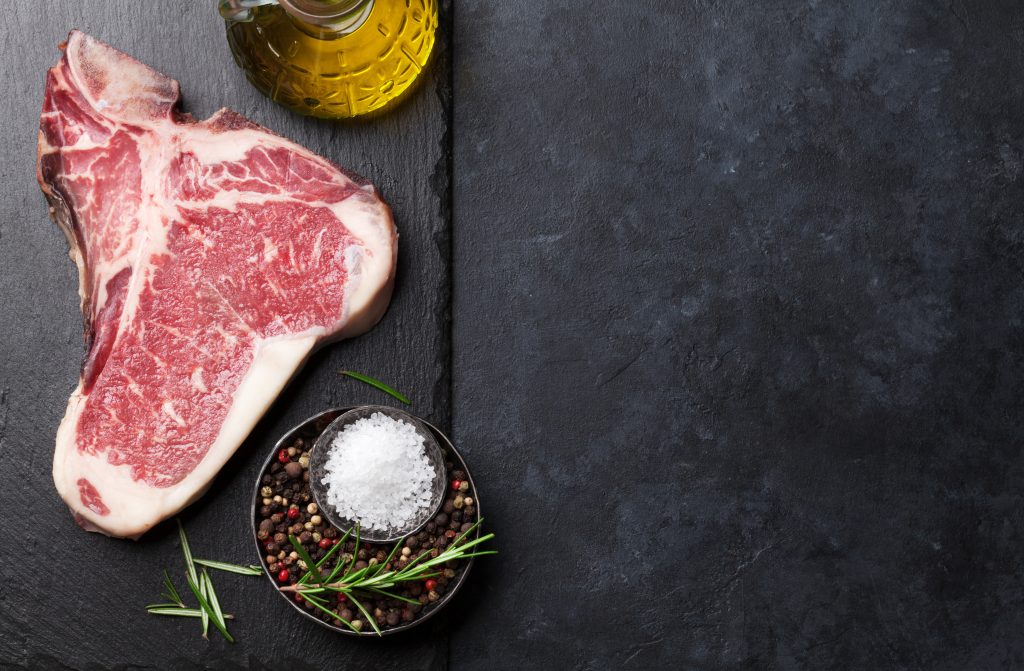
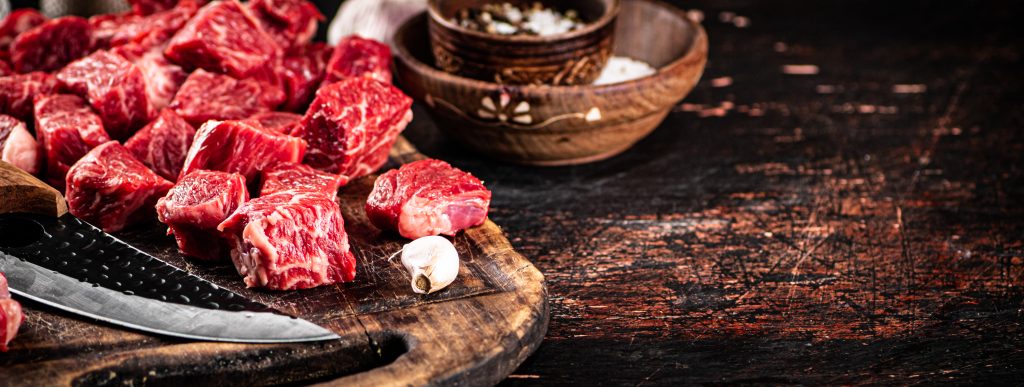
For fitness-focused Americans, Zabiha meat provides bioavailable protein and creatine, which are essential for muscle strength and recovery. Compared to heavily processed protein foods, whole cuts of Zabiha meat offer superior nutrient absorption.
This makes Zabiha meat a preferred choice among Muslim athletes, gym enthusiasts, and individuals following structured nutrition plans.
Less Reliance on Ultra-Processed Foods
One indirect but important benefit of Zabiha meat in American diets is its role in reducing reliance on ultra-processed foods. Families that prioritize Zabiha often cook more meals at home or choose trusted restaurants, avoiding processed meats high in sodium, preservatives, and additives.
This habit supports long-term health outcomes and aligns with US dietary guidelines that recommend limiting processed meat consumption.
Digestive Comfort and Meal Satisfaction
Many American Muslims report better digestive comfort when consuming Zabiha meat compared to conventionally processed meat. While experiences vary, factors such as freshness, proper handling, and ethical slaughter may contribute to improved tolerance.
Meals centered around Zabiha meat also tend to be more satisfying, reducing unnecessary snacking and overeating—key challenges in modern American diets.
Cultural Familiarity Encourages Balanced Eating
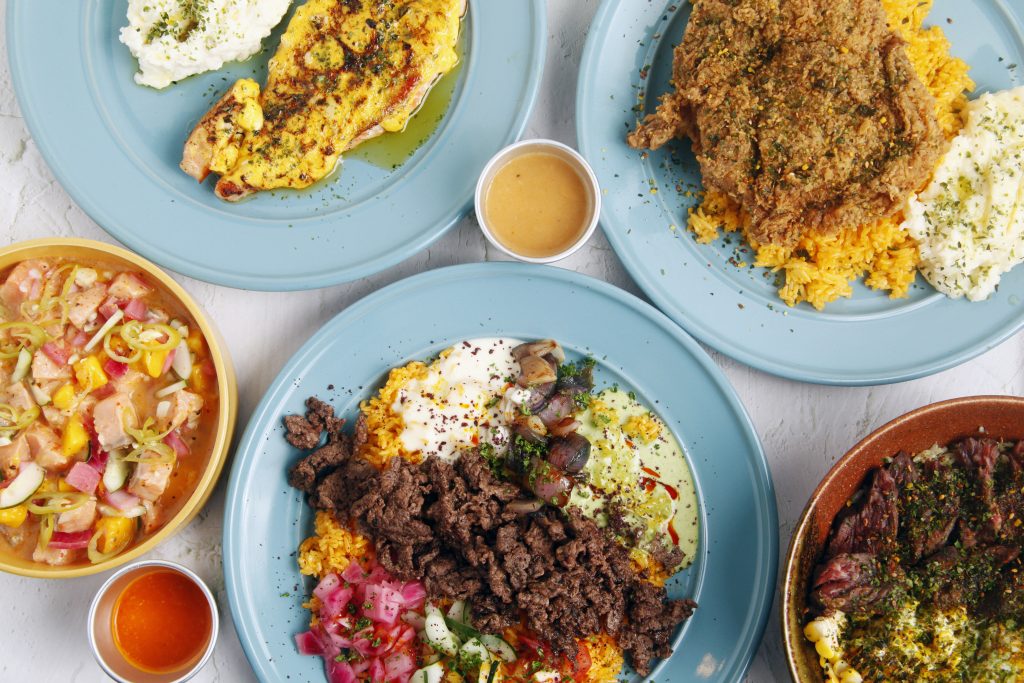
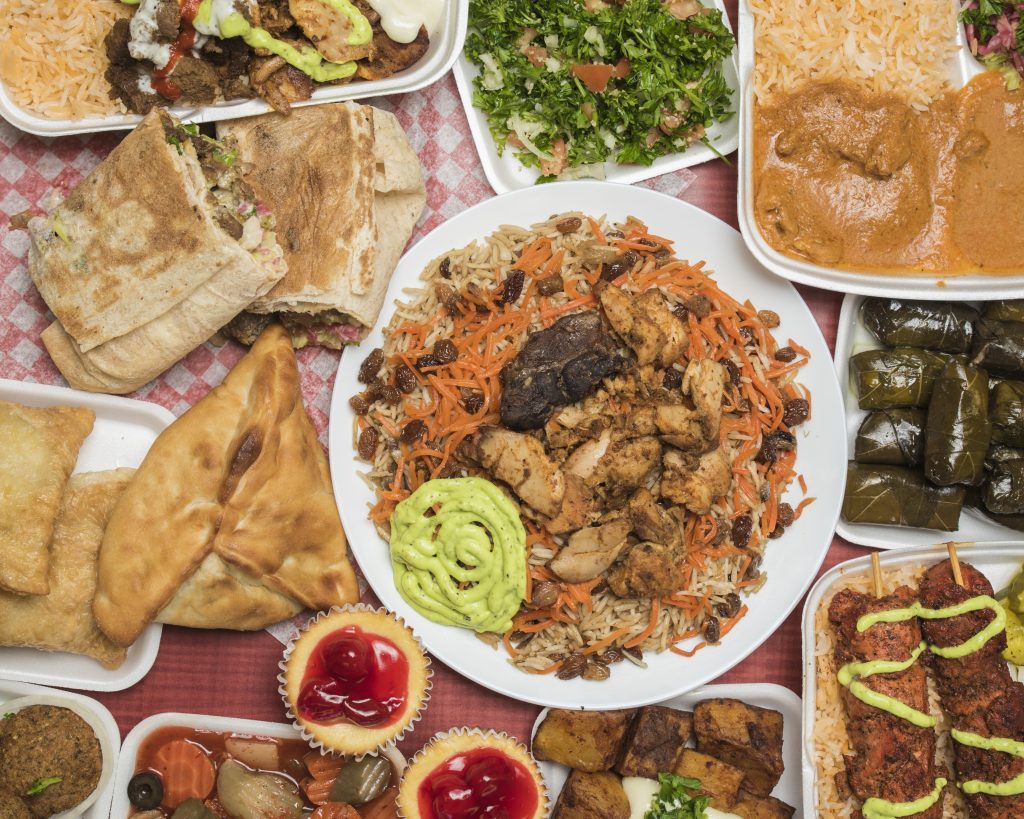
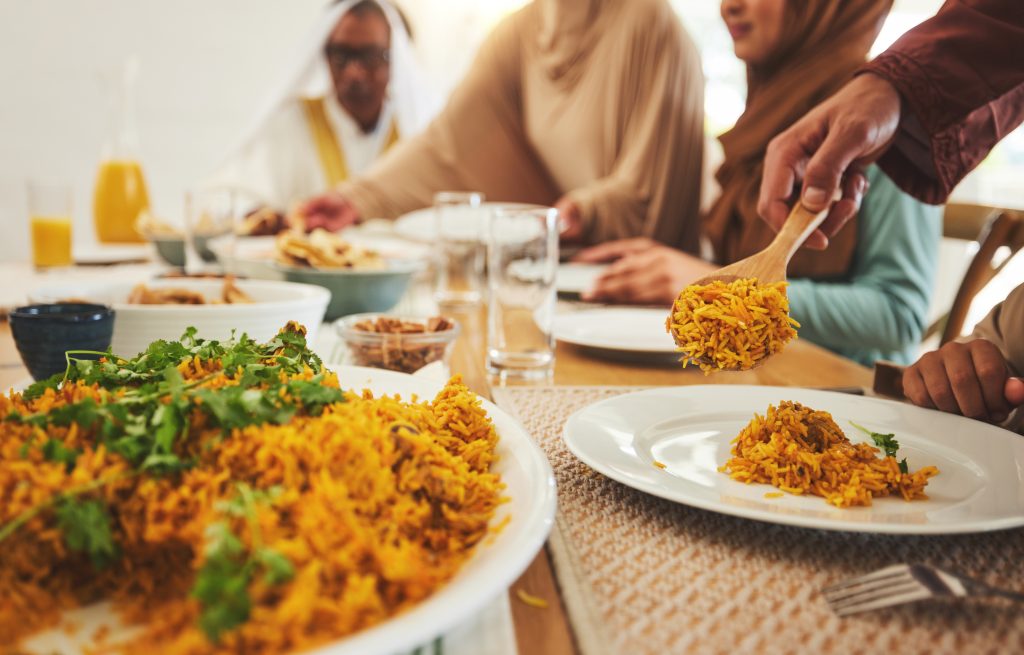
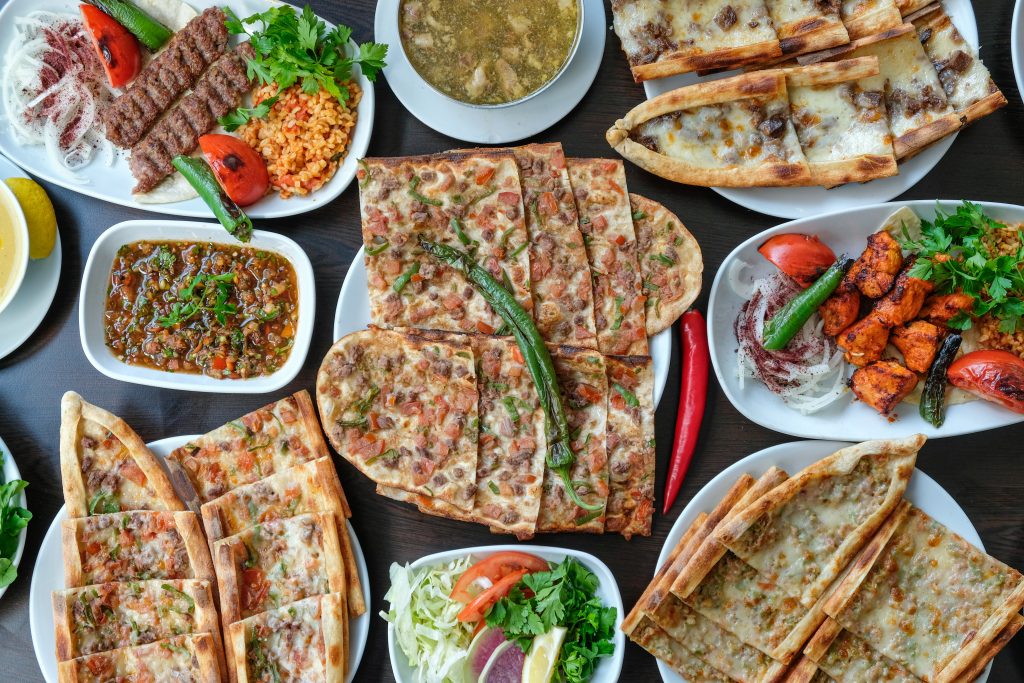
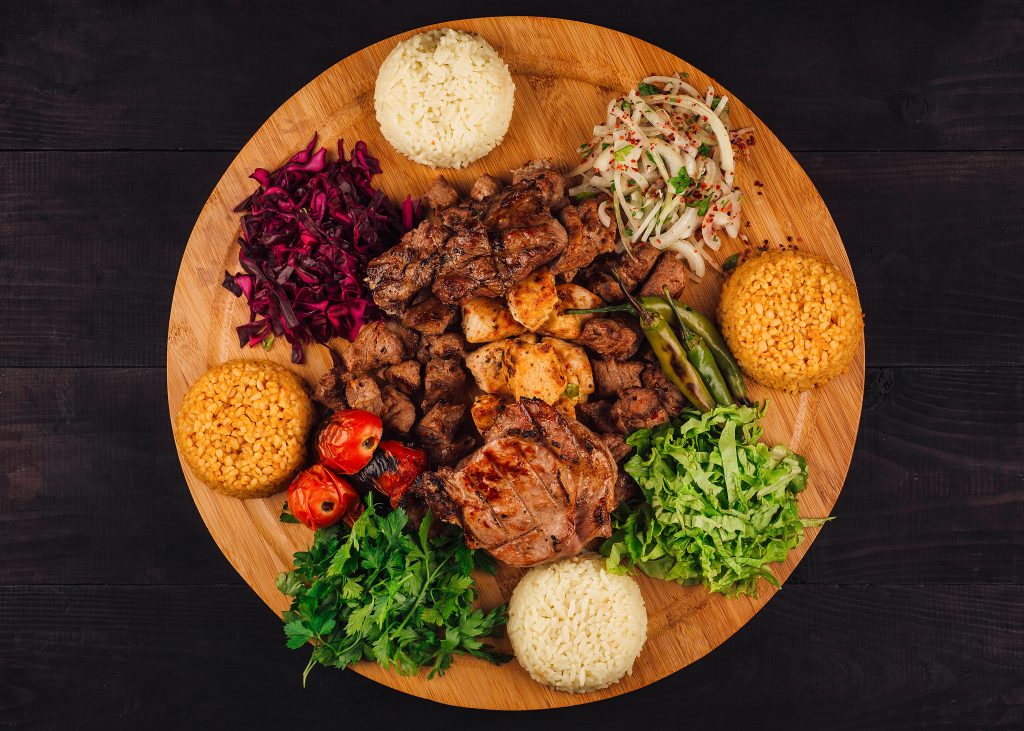
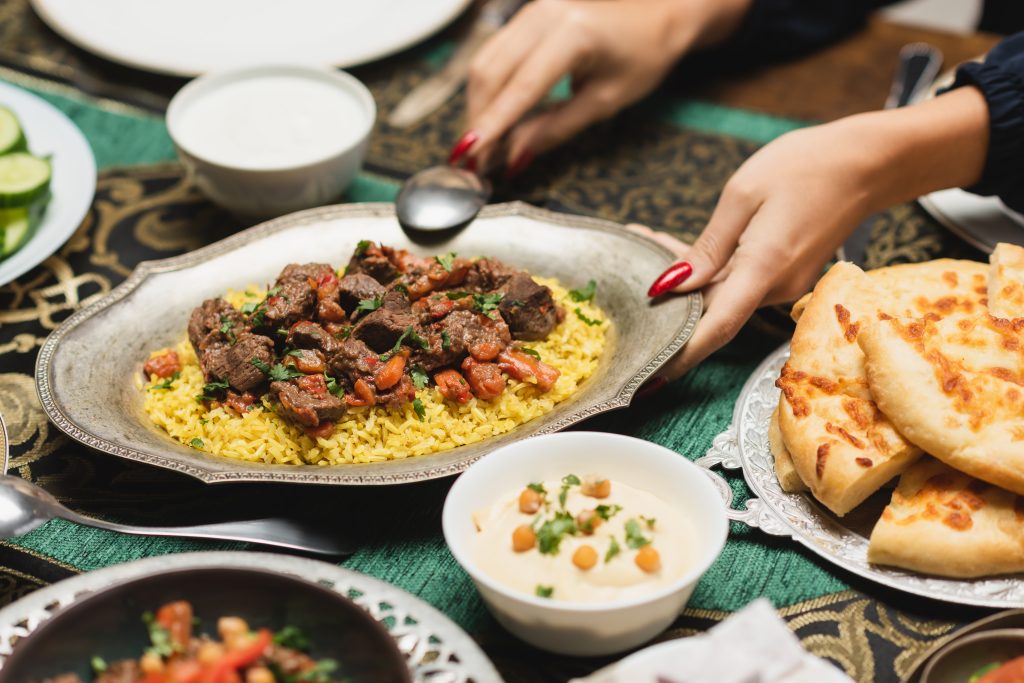
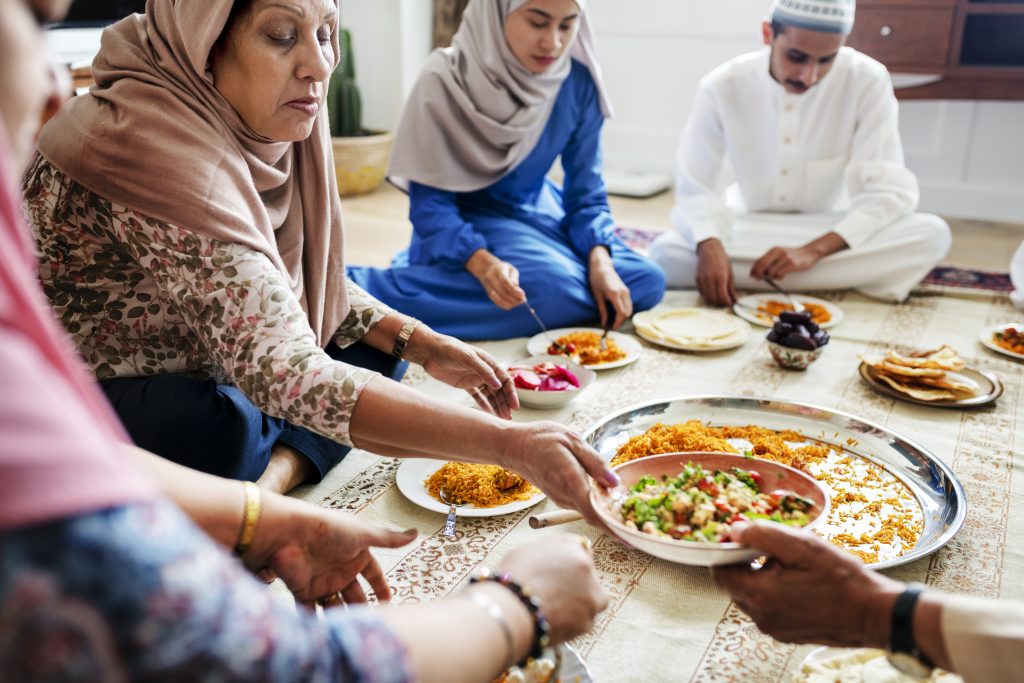
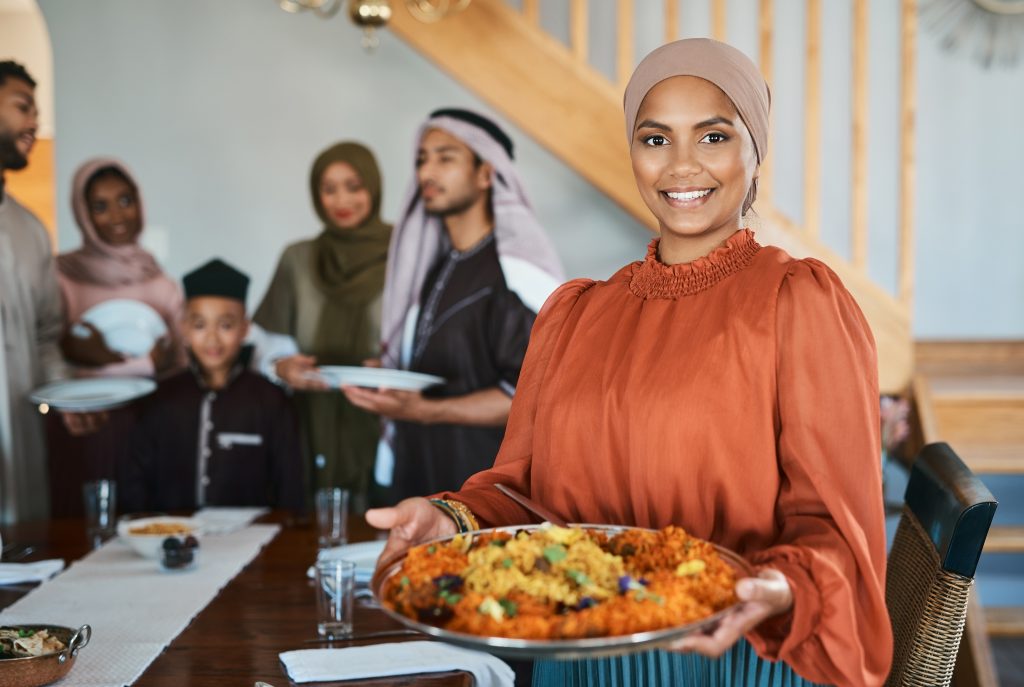
Zabiha meat supports culturally familiar meals that are often balanced by tradition. Rice, vegetables, legumes, and grilled meats create nutritionally complete plates. This cultural structure naturally encourages portion control and dietary variety.
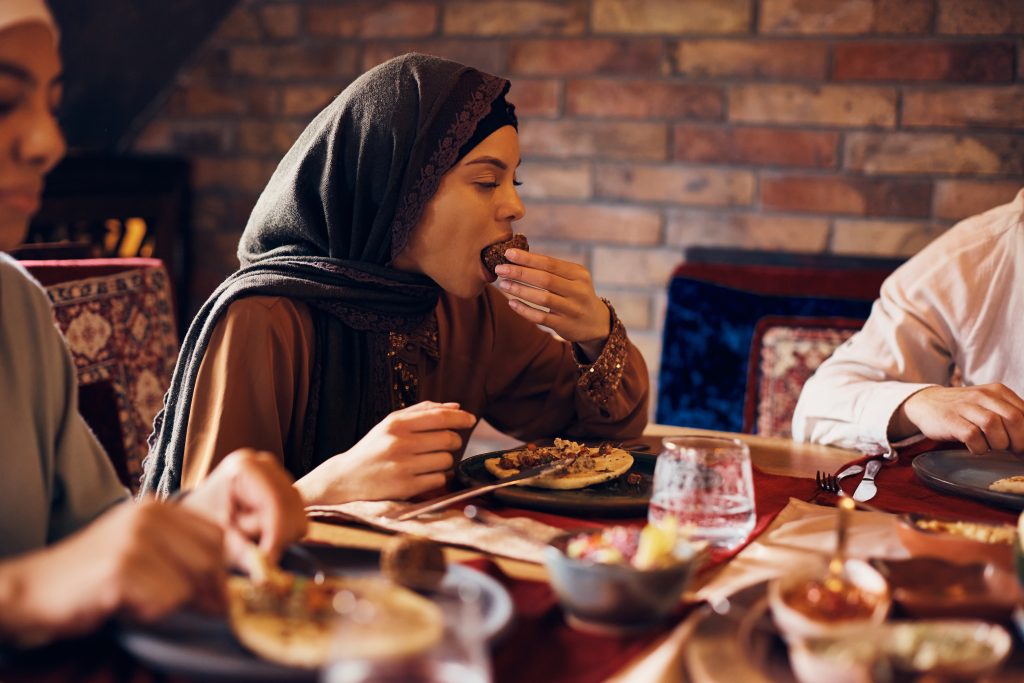
For American-born Muslims, maintaining these eating patterns helps bridge tradition and modern nutrition science.
How Zabiha Complements US Dietary Recommendations
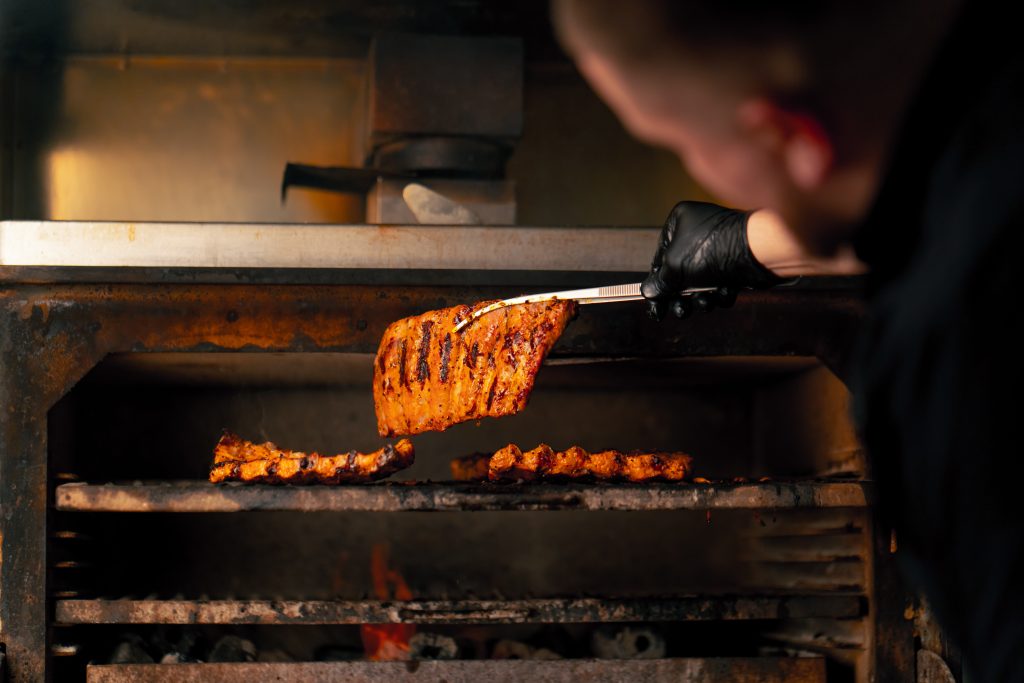
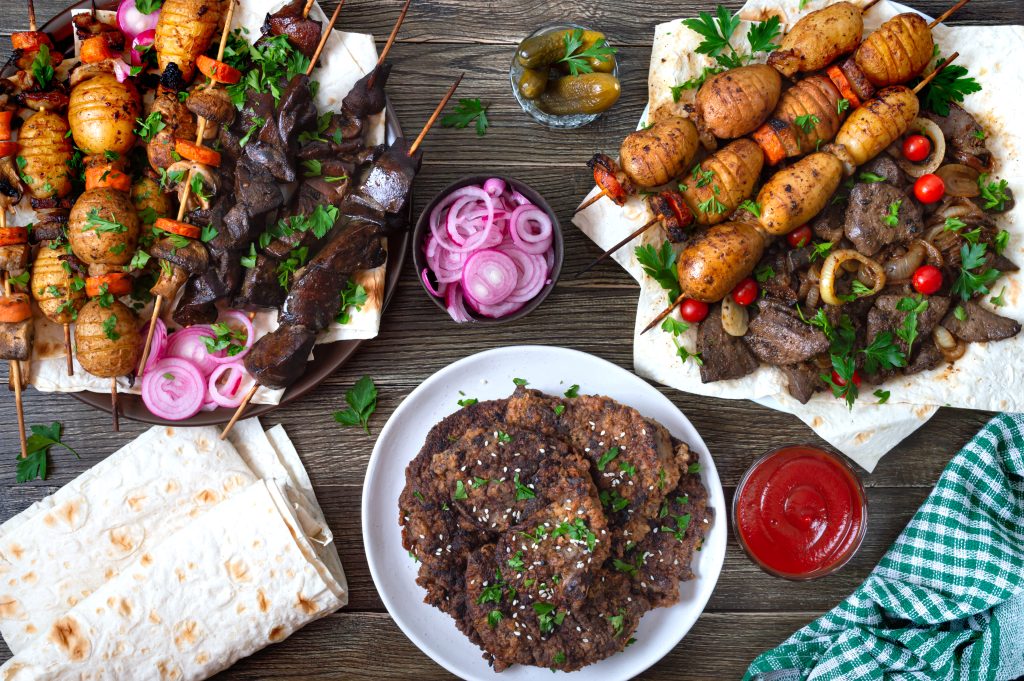
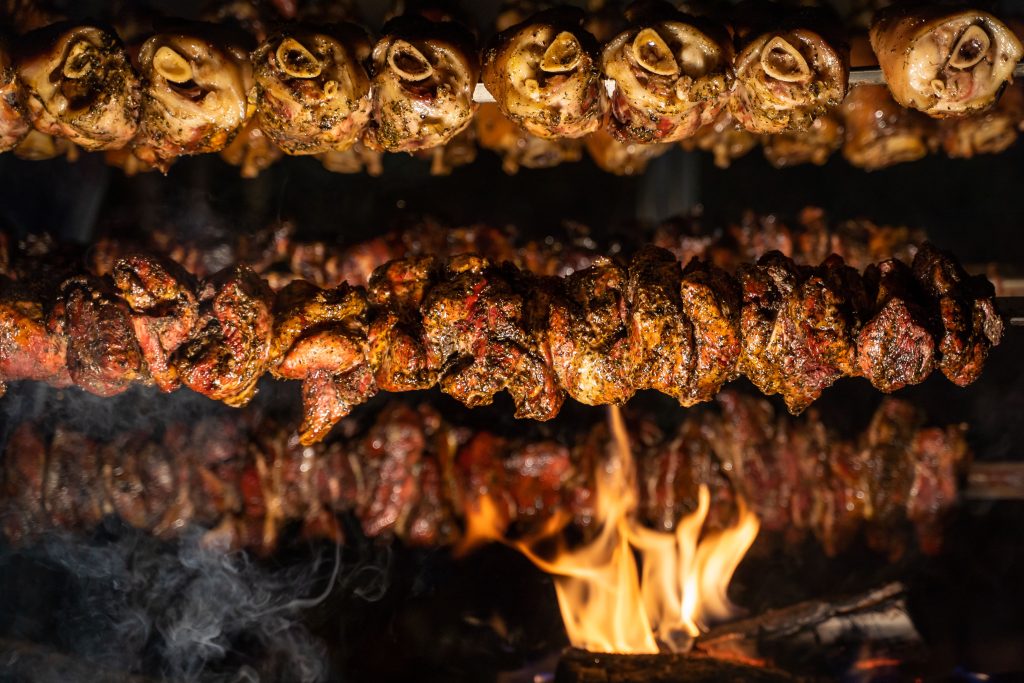
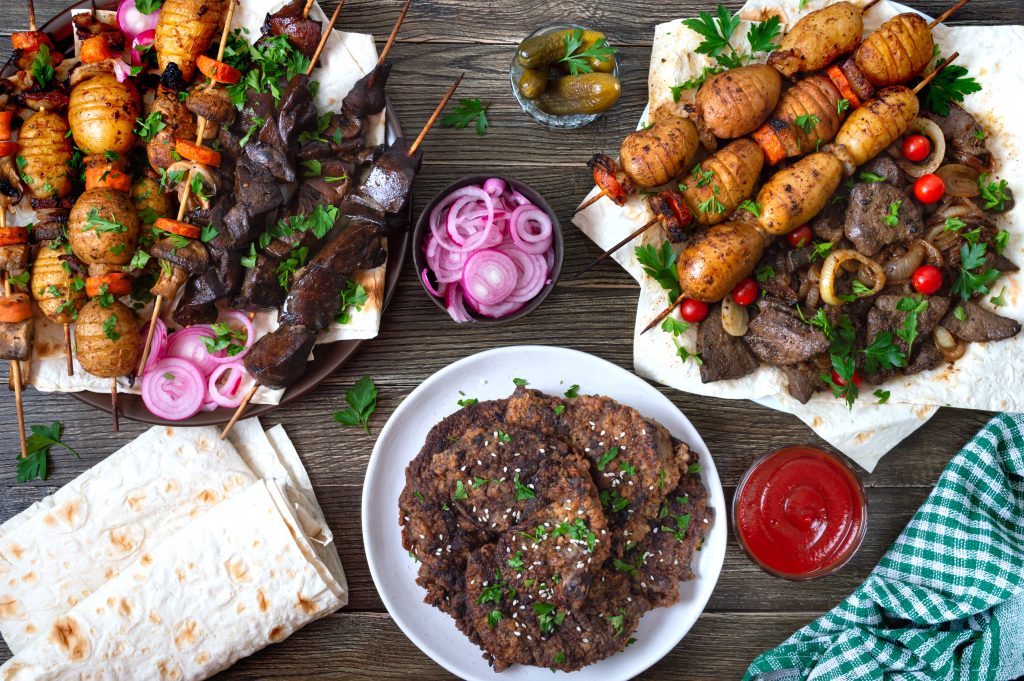
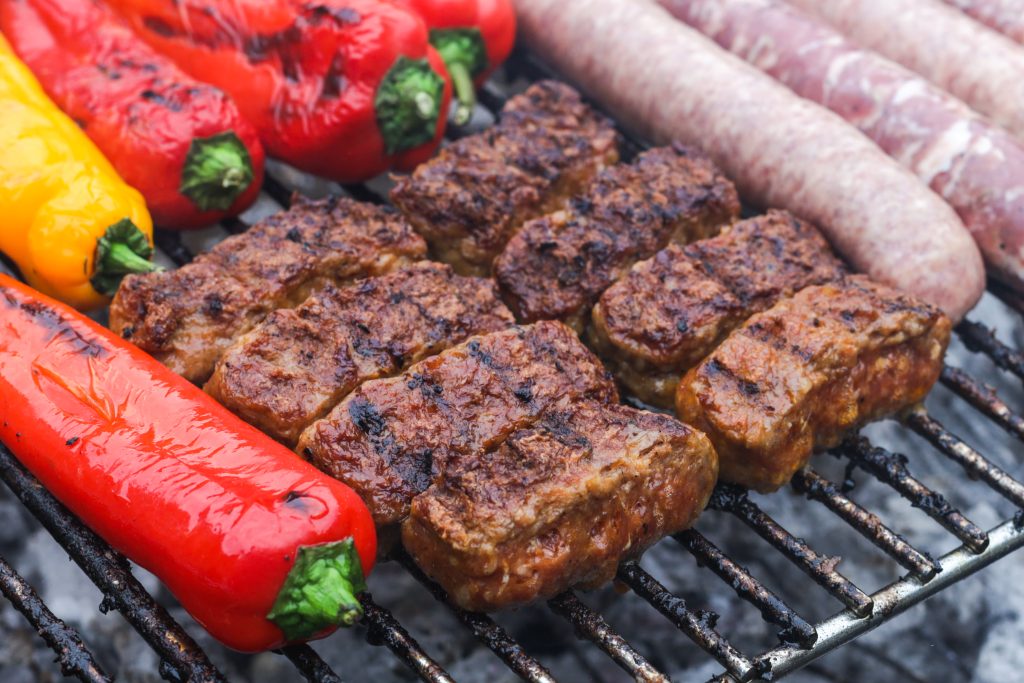
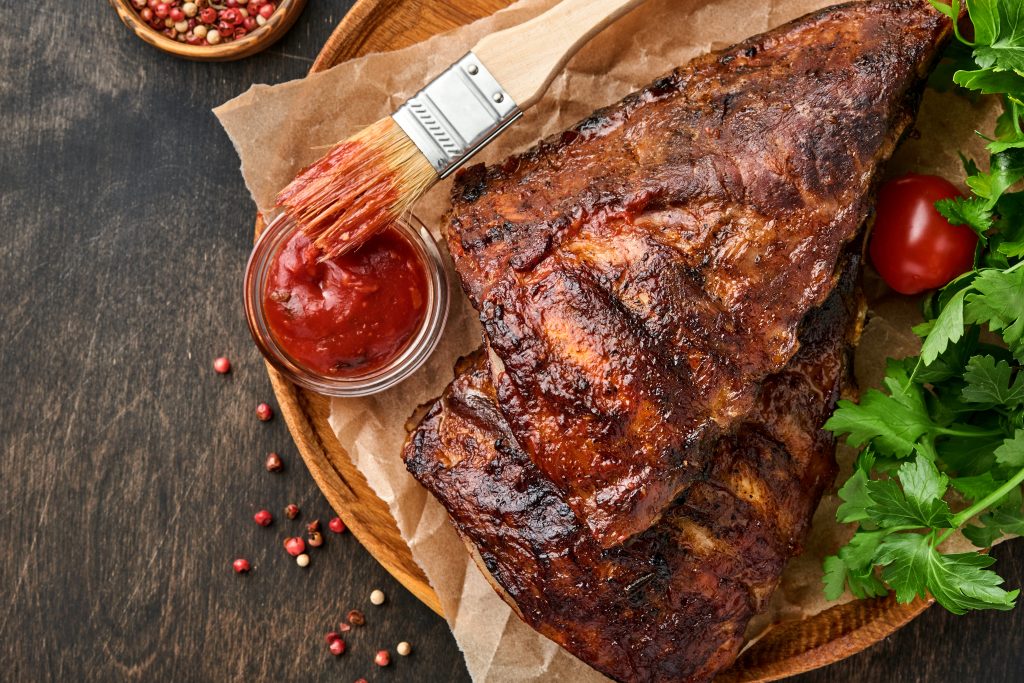
US dietary guidelines emphasize lean proteins, nutrient density, and moderation. Zabiha meat—when prepared with healthy cooking methods such as grilling, baking, or roasting—meets these criteria effectively.
It allows Muslim families to follow national nutrition advice without compromising religious values.
Conclusion
The nutritional benefits of Zabiha meat for American diets extend well beyond religious compliance. Rich in protein, essential vitamins, and minerals—and aligned with clean eating principles—Zabiha meat fits naturally into modern US nutrition goals.
When sourced responsibly and prepared mindfully, Zabiha meat supports strength, energy, and long-term wellness, making it a valuable component of a healthy American lifestyle for Muslim families.