




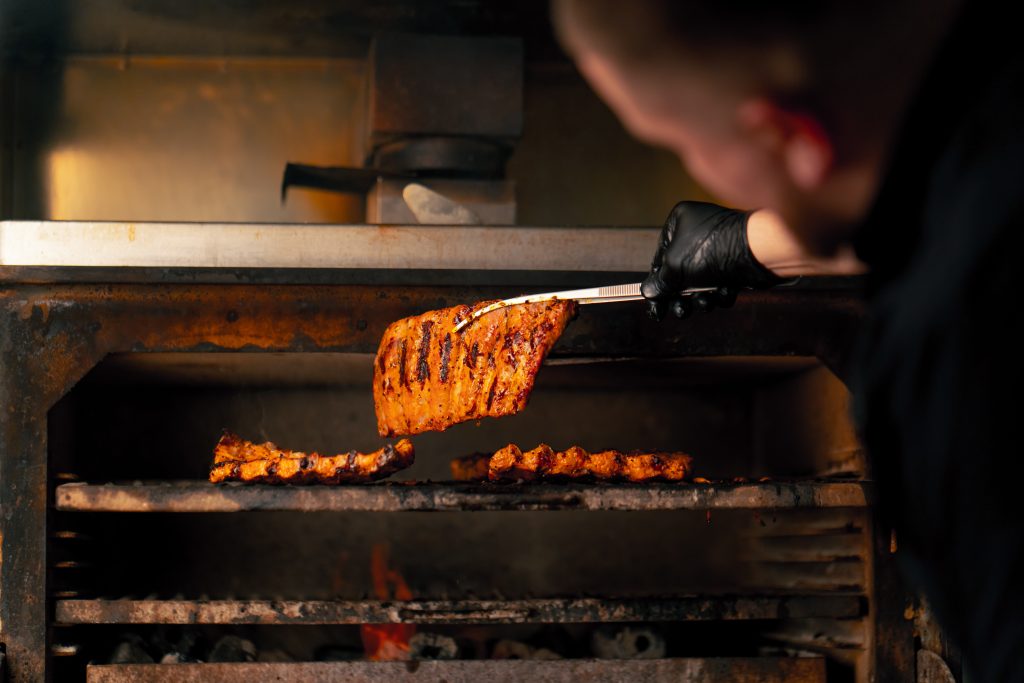
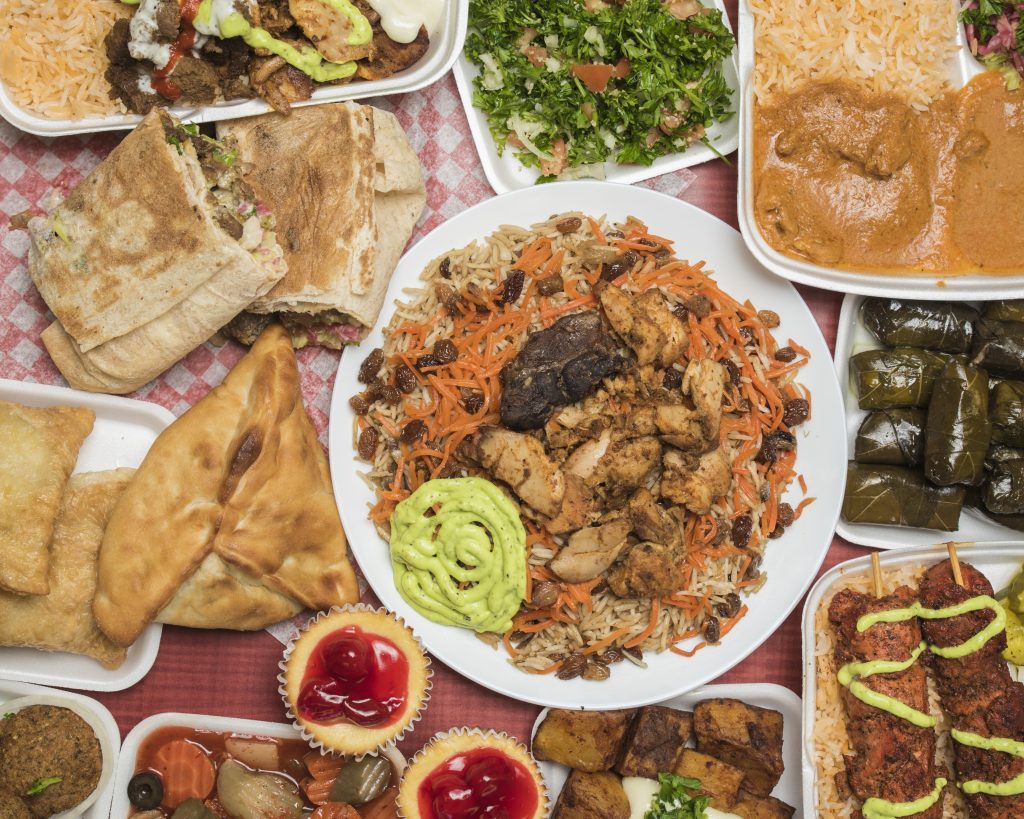


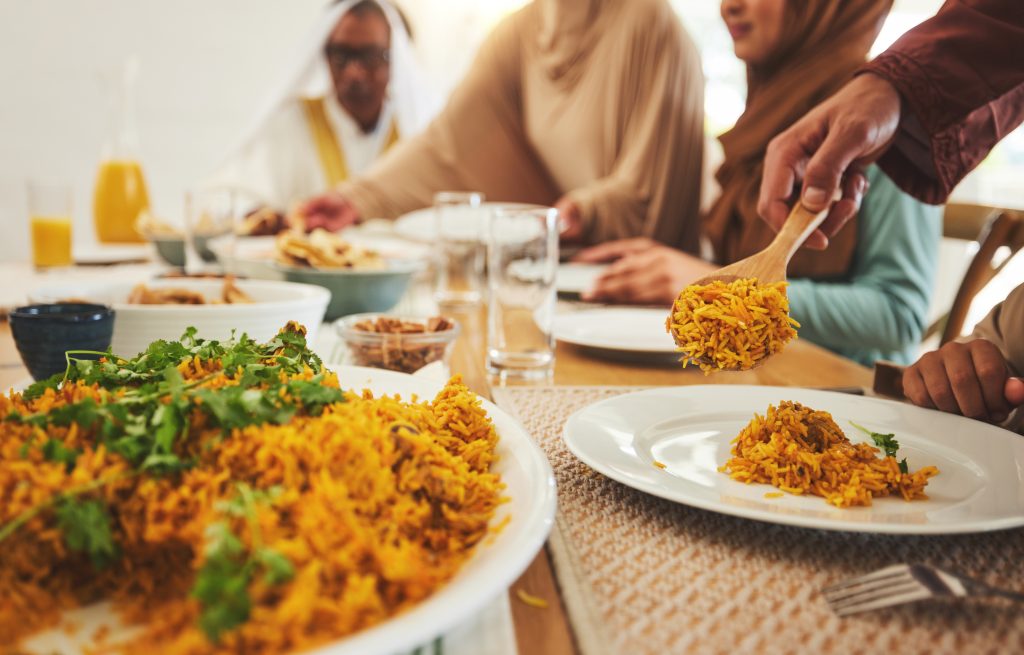





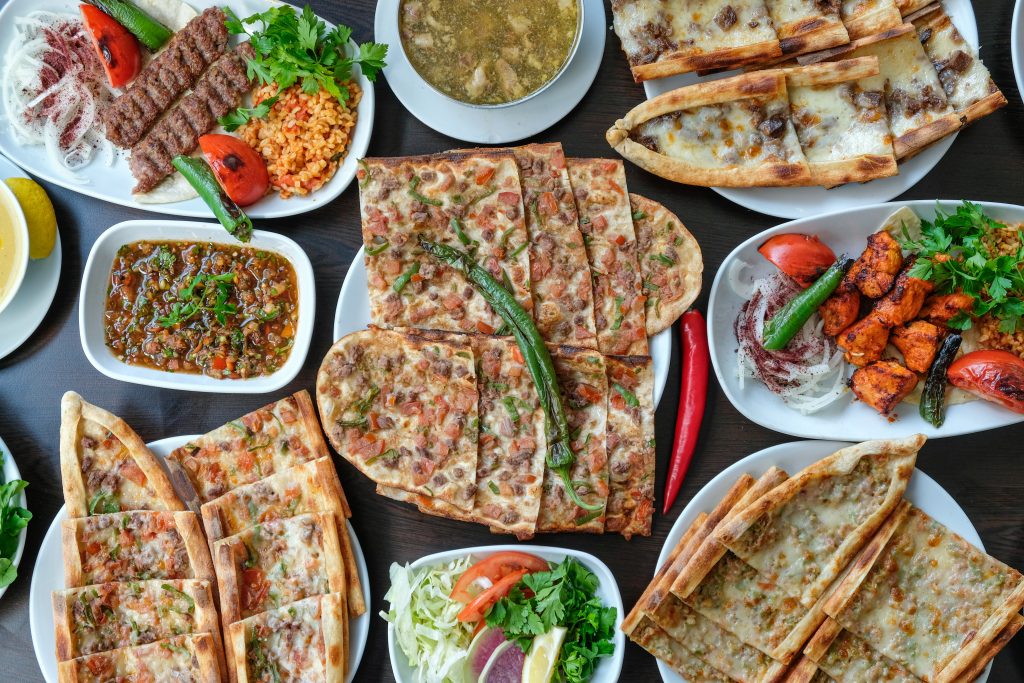
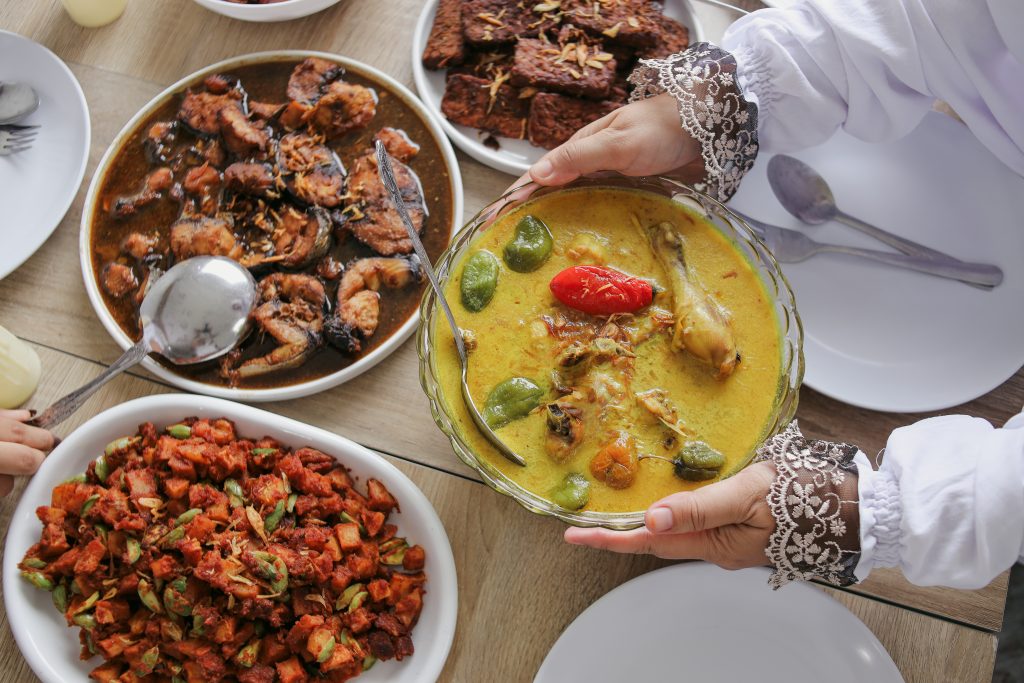
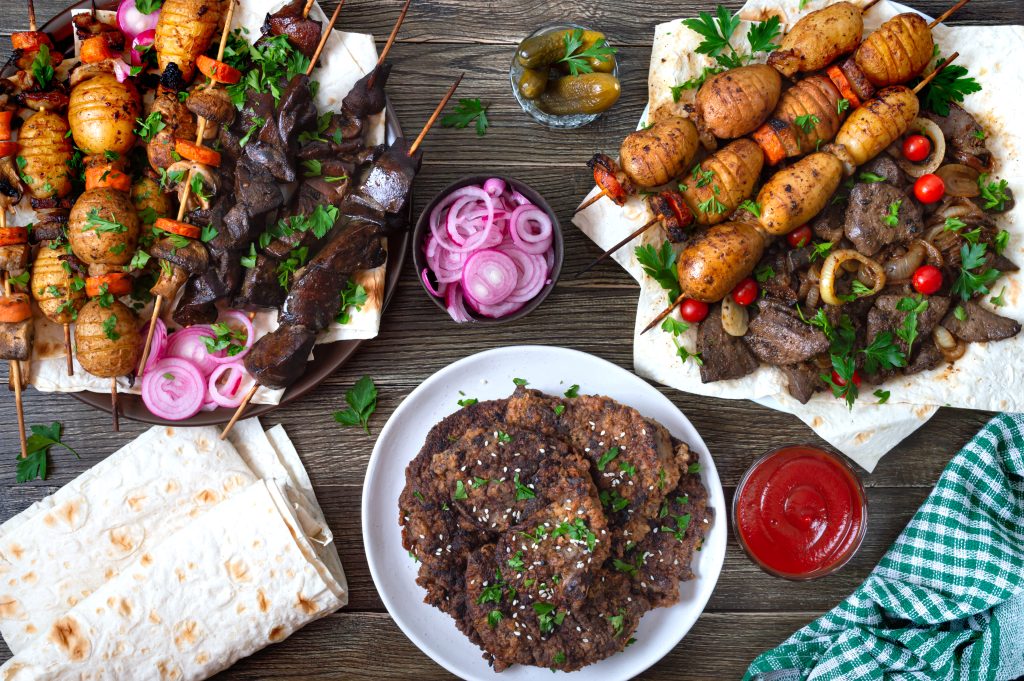
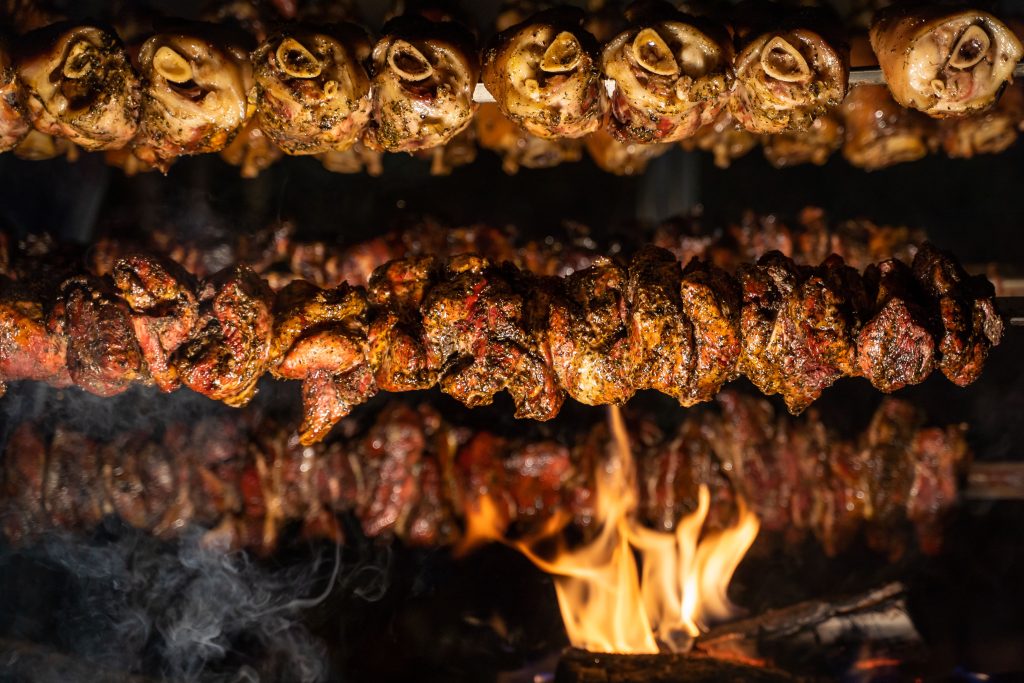
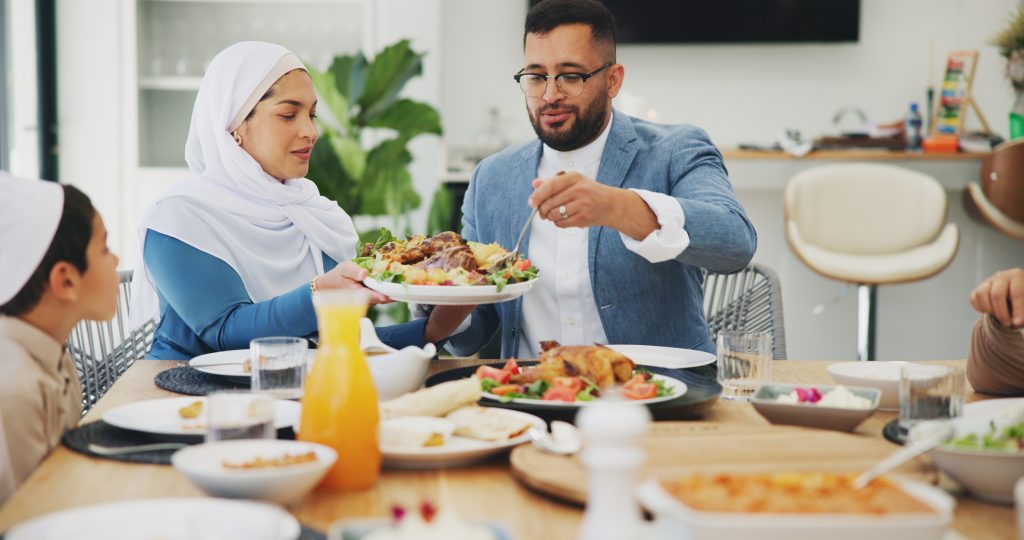
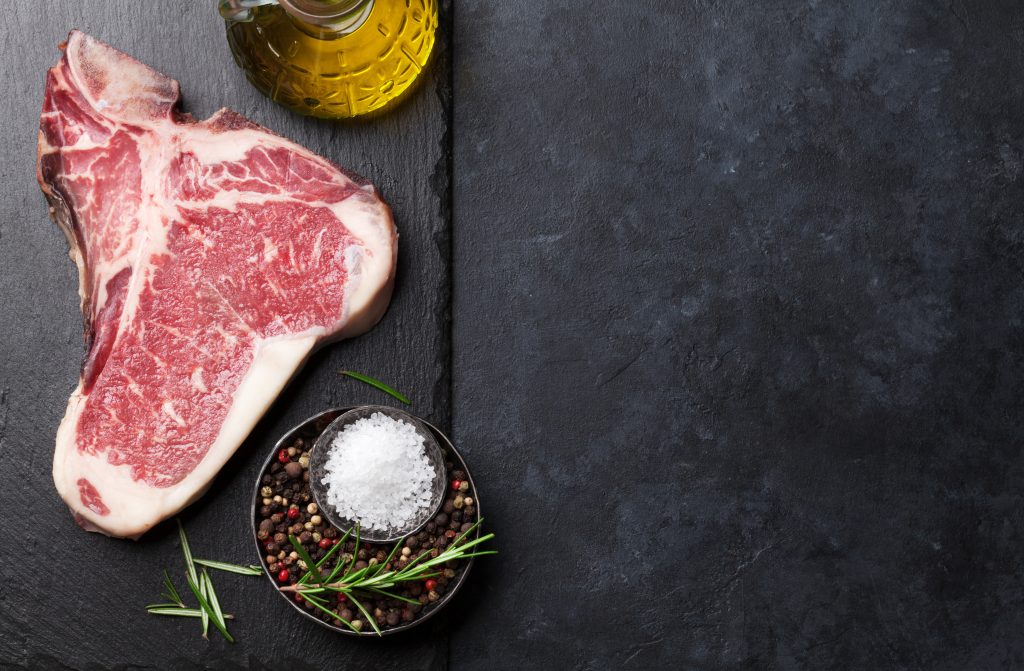
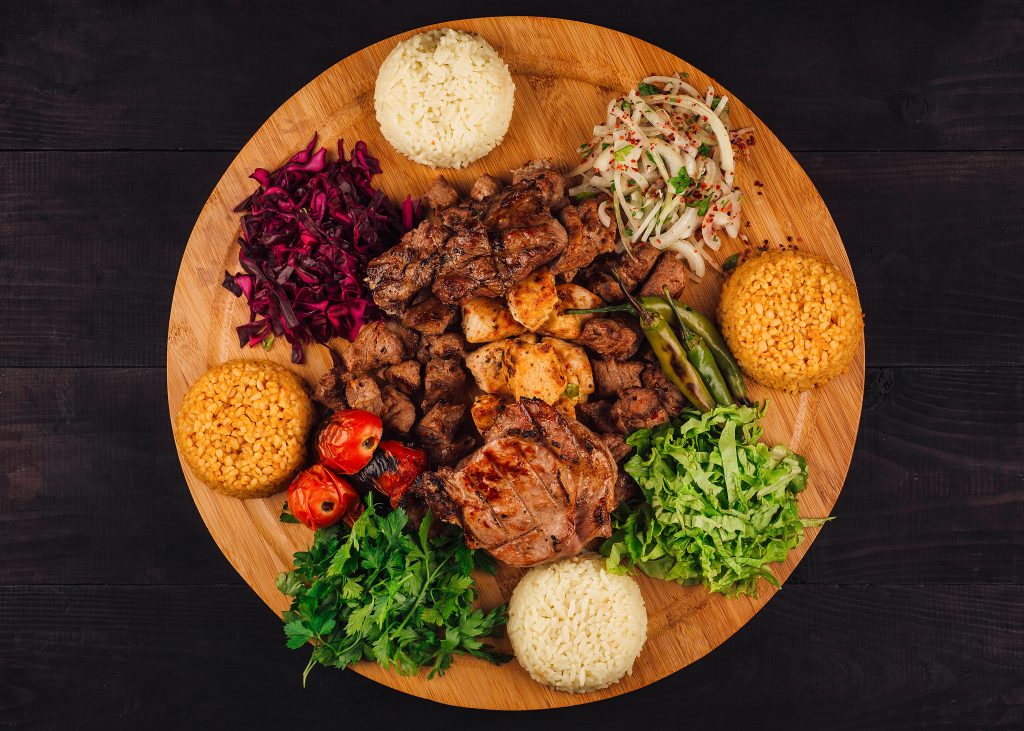

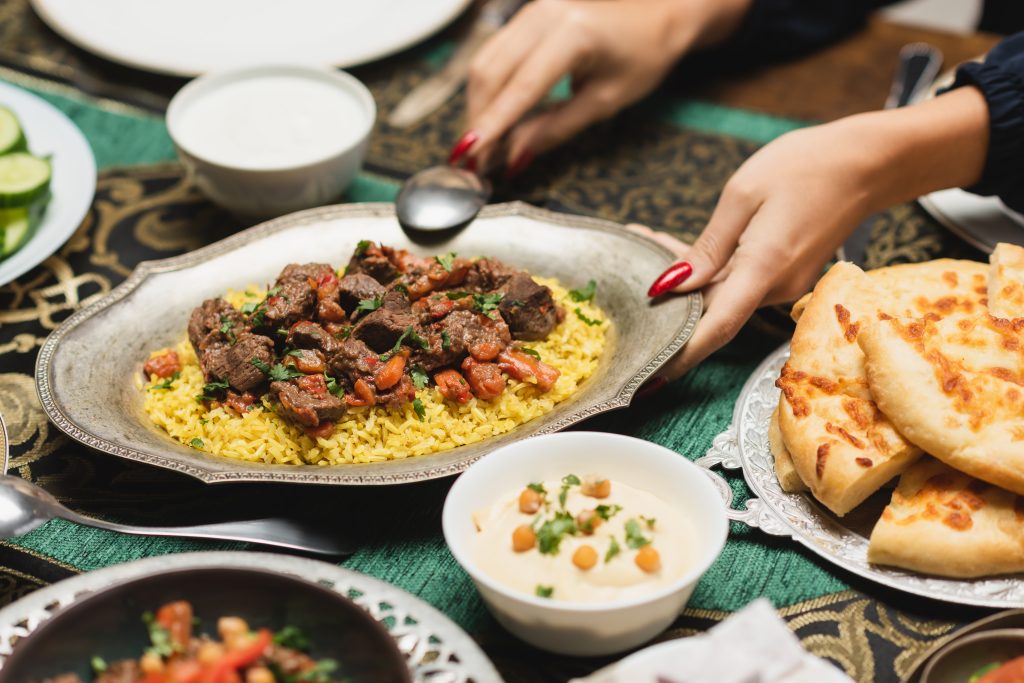



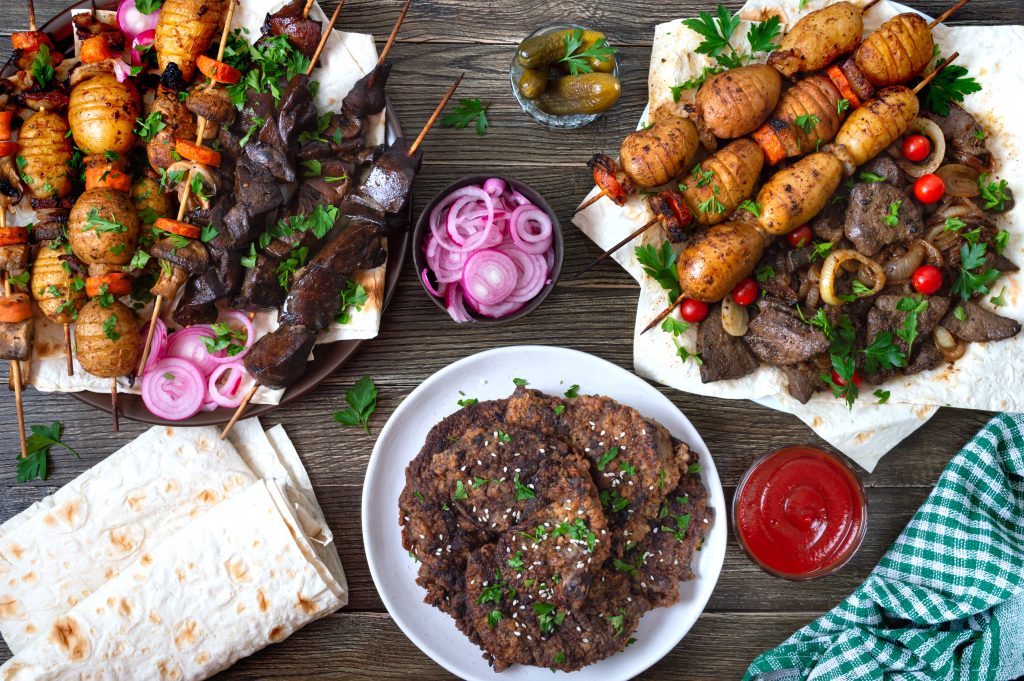
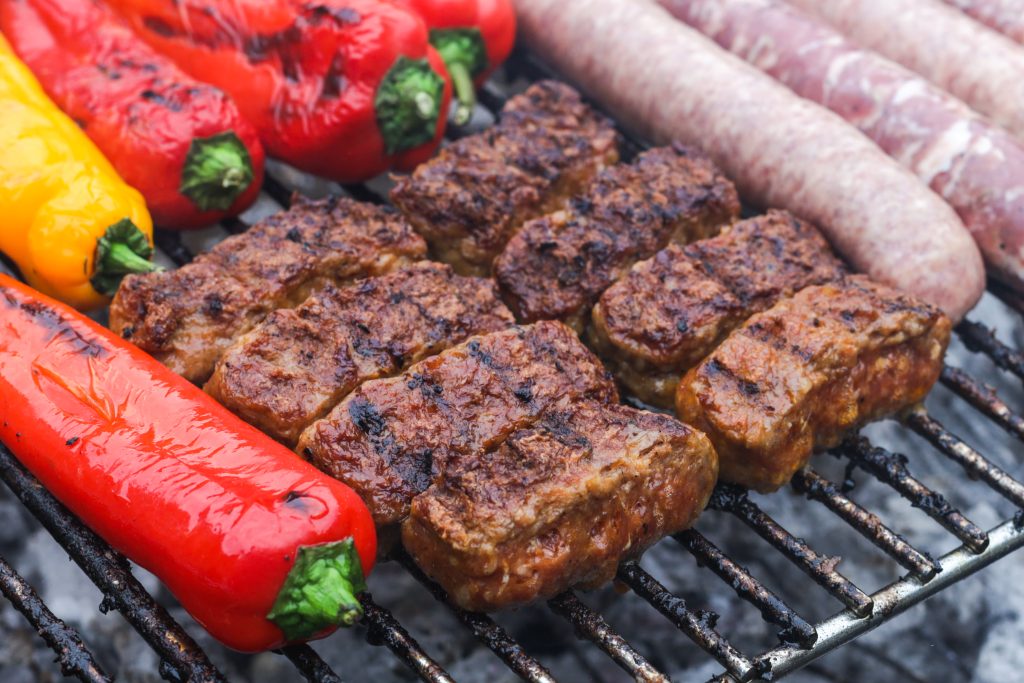
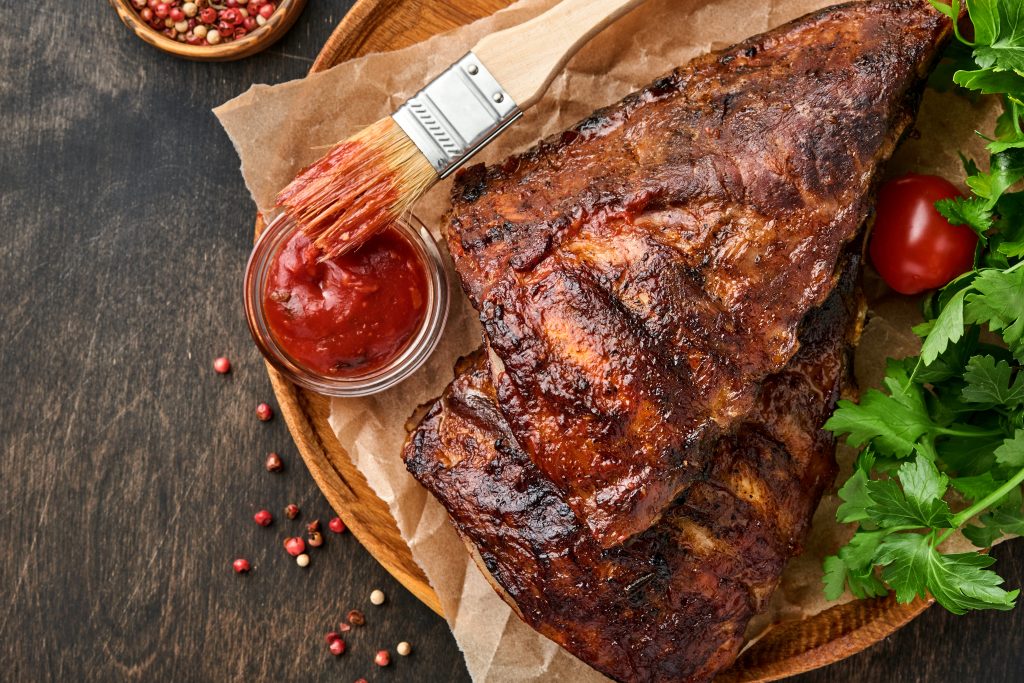

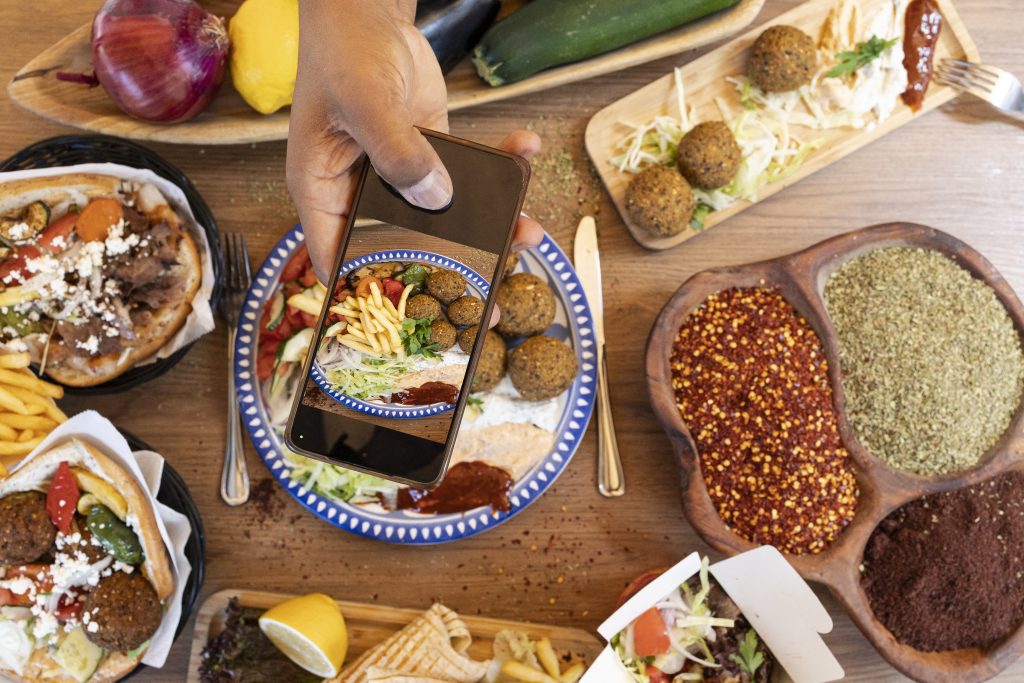

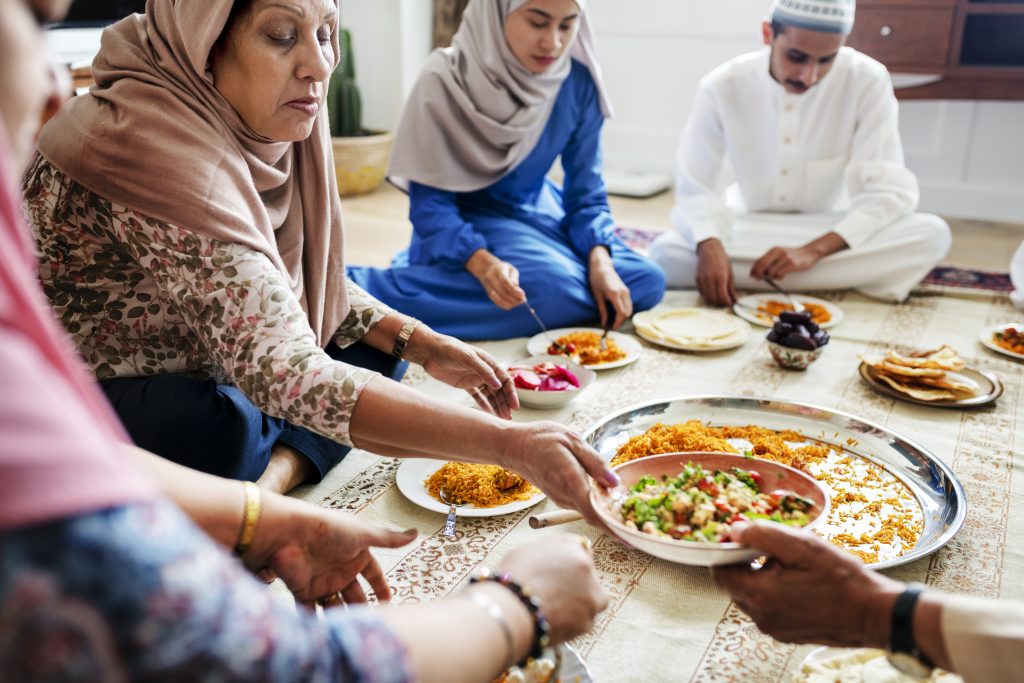

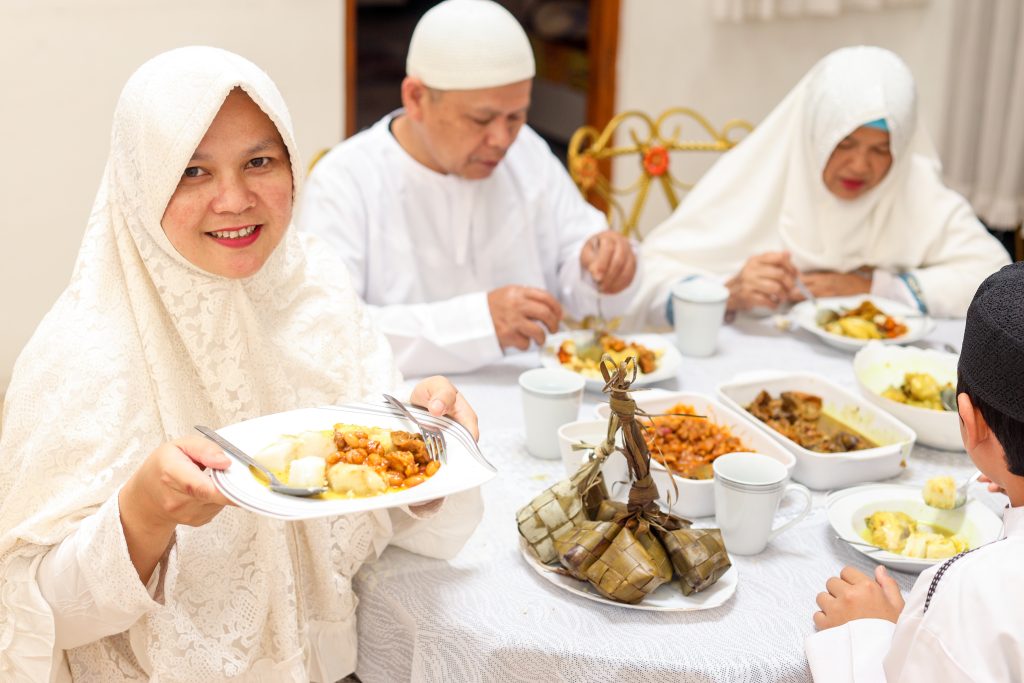








For Muslims living in the United States, one of the most common questions when it comes to food is whether Zabiha meat is easily available. While halal food has become more common across the country, Zabiha meat—prepared according to strict Islamic slaughter requirements—is not equally accessible everywhere. Availability often depends on location, local Muslim population, and awareness among businesses.
Understanding Availability Across the USA
Zabiha meat is not available everywhere in the United States. In large metropolitan areas with established Muslim communities, access is generally much easier. Cities such as New York, Chicago, Houston, Dallas, Los Angeles, and New Jersey have numerous Zabiha-certified restaurants and butcher shops. These areas benefit from higher demand, established supply chains, and community oversight.
In contrast, smaller towns and rural areas often have limited or no access to Zabiha meat. Muslims living in these regions may need to travel long distances, rely on frozen meat deliveries, or adjust their diets when Zabiha options are unavailable.
Why Zabiha Is Easier to Find in Big Cities
The presence of Zabiha meat closely follows population patterns. Cities with larger Muslim populations create consistent demand, making it financially viable for restaurants and suppliers to maintain Zabiha standards. In these locations, halal butchers, mosques, and community organizations often work together to verify meat sources.
Additionally, competition among Zabiha restaurants in major cities encourages transparency. Many establishments proudly advertise “100% Zabiha halal” to differentiate themselves from general halal or Muslim-friendly restaurants.
Challenges in Smaller Cities and Suburbs
In smaller cities or suburban areas, access to Zabiha meat can be inconsistent. Some grocery stores may carry halal meat but do not specify whether it is Zabiha. Restaurants may offer halal chicken while serving non-Zabiha beef or lamb. This partial compliance creates confusion for consumers who strictly follow Zabiha guidelines.
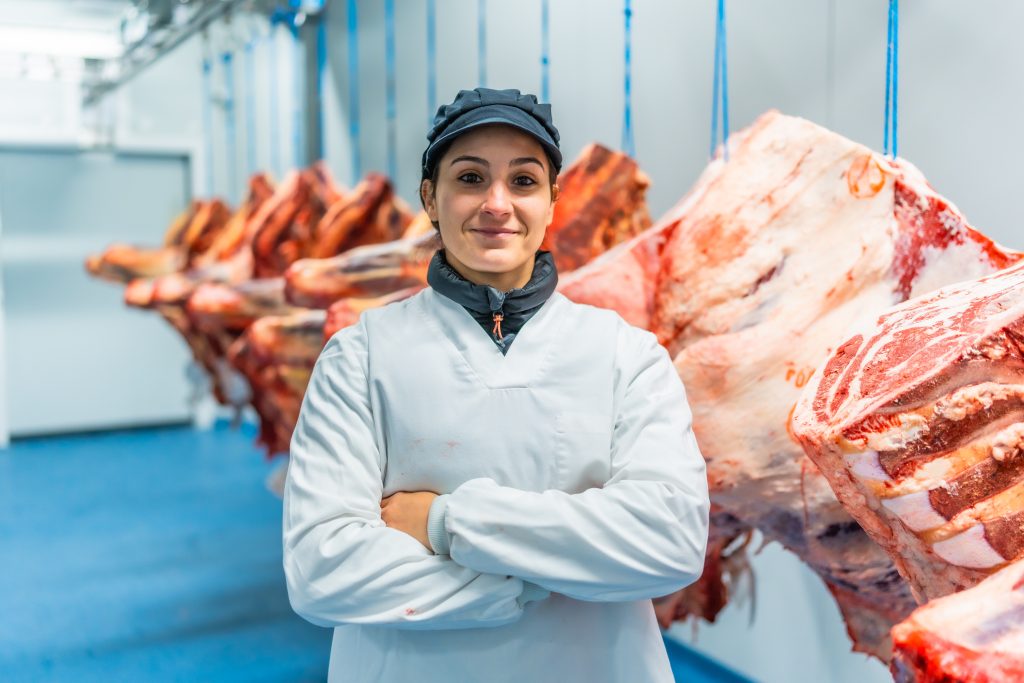
Another challenge is supply chain limitations. Zabiha slaughter requires trained personnel, certification, and religious compliance. Without enough demand, suppliers may not invest in these processes for smaller markets.
Online and Frozen Zabiha Meat Options
To address limited local availability, many Muslims in the USA turn to online Zabiha meat suppliers. Several businesses ship frozen Zabiha meat nationwide, allowing families in remote areas to maintain dietary compliance. While this option improves access, it often comes at a higher cost and requires freezer storage and advance planning.
Frozen Zabiha meat is also commonly found in ethnic grocery stores, particularly South Asian, Middle Eastern, and African markets. However, consumers are encouraged to verify sourcing and certification before purchasing.
Restaurant Transparency and Consumer Responsibility
One reason Zabiha availability remains inconsistent is the lack of standardized labeling. Unlike organic or kosher certifications, halal and Zabiha standards vary widely in the United States. This makes it essential for Muslim consumers to ask questions, read certifications, and rely on trusted community recommendations.
Asking restaurant owners about their meat source, slaughter method, and certification is not uncommon and often welcomed. Consumer awareness plays a key role in encouraging businesses to adopt clearer practices.
Growing Demand and Future Trends
The demand for Zabiha meat is steadily increasing across the United States. Younger Muslim generations are more informed and vocal about dietary requirements, and halal food directories and apps have made it easier to locate verified Zabiha options. This growing awareness is encouraging more suppliers and restaurants to adopt Zabiha standards.
In addition, non-Muslim consumers are becoming more interested in ethically sourced and humanely slaughtered meat, indirectly supporting the growth of Zabiha markets.
How Muslims Can Manage Limited Availability
For Muslims living in areas with limited Zabiha access, practical strategies include meal planning, reducing reliance on meat when necessary, sourcing from trusted online vendors, and building local demand by communicating needs to store owners. Community efforts, such as group purchasing or mosque-led initiatives, have also proven effective in expanding access.
Conclusion
Zabiha meat is widely available in major US cities but remains limited in smaller towns and rural areas. While access is improving, availability still depends heavily on location and consumer demand. By staying informed, asking questions, and supporting transparent businesses, Muslims across the United States can help strengthen access to authentic Zabiha meat and encourage broader industry adoption.