































How Zabiha Slaughter Impacts Meat Quality

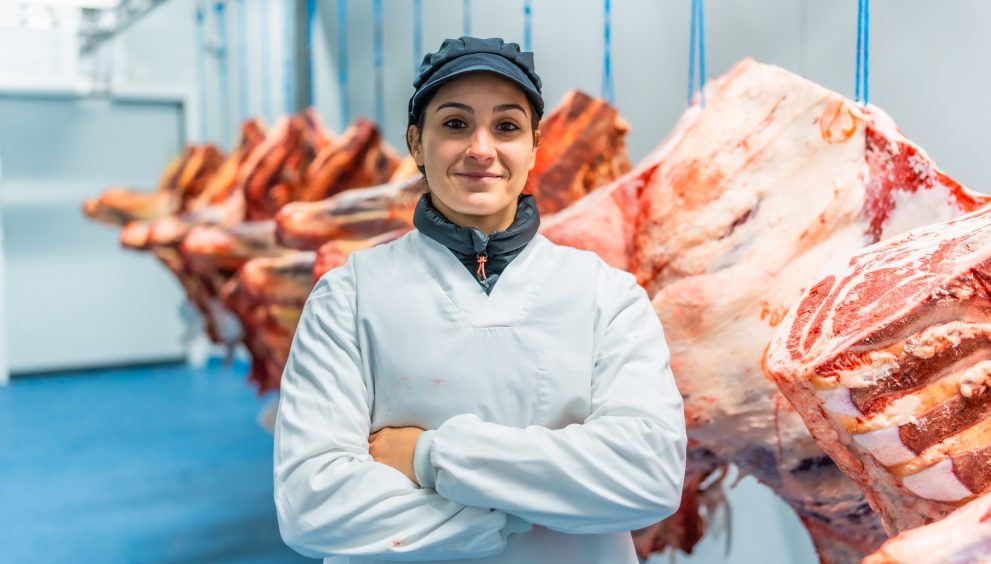
When discussing food quality in the United States, consumers increasingly look beyond labels and into how food is produced. For Muslim families, Zabiha slaughter is primarily a religious requirement, but its impact on meat quality has become an important topic—especially as Americans pay more attention to texture, freshness, cleanliness, and ethical sourcing. Understanding how Zabiha slaughter affects meat quality helps clarify why many consumers prefer it beyond faith alone.
What Makes Zabiha Slaughter Different
Zabiha slaughter follows a specific method that includes invoking God’s name, using a sharp blade, and making a swift incision that allows maximum blood drainage while minimizing suffering. The animal is alive at the time of slaughter, and the process is designed to be quick and decisive.
In contrast to some conventional industrial practices, Zabiha emphasizes precision, intention, and humane handling, all of which influence the final quality of the meat.
Blood Drainage and Meat Purity
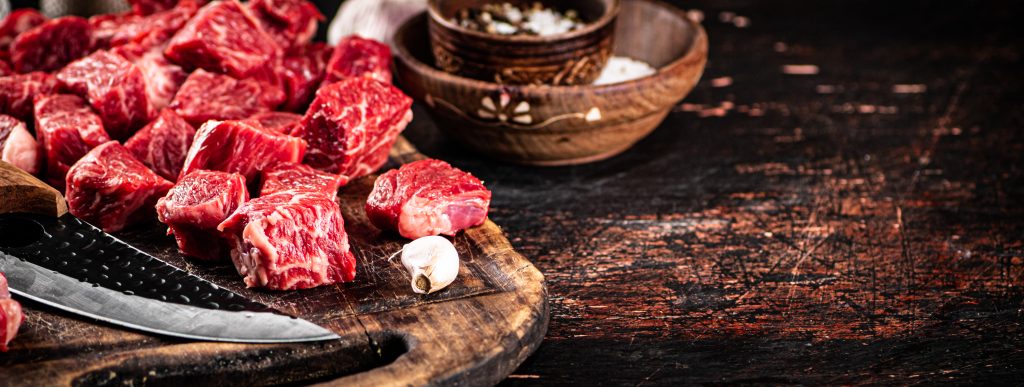
One of the most direct ways Zabiha slaughter impacts meat quality is through complete blood removal. Blood contains waste products such as lactic acid and can accelerate spoilage if retained in muscle tissue.
From a quality standpoint, meat with less residual blood:
-
Appears cleaner
-
Has a milder smell
-
Spoils more slowly when stored properly
-
Produces clearer juices during cooking
Many American consumers notice that Zabiha meat feels fresher and lighter compared to conventionally processed meat.
Reduced Stress Improves Texture
Animal stress before slaughter has a measurable effect on meat quality. High stress increases adrenaline and lactic acid levels, which can lead to tougher meat and uneven texture. Zabiha guidelines emphasize calm handling and a swift process, reducing prolonged stress.
As a result, Zabiha meat often:
-
Feels more tender
-
Cooks more evenly
-
Retains moisture better
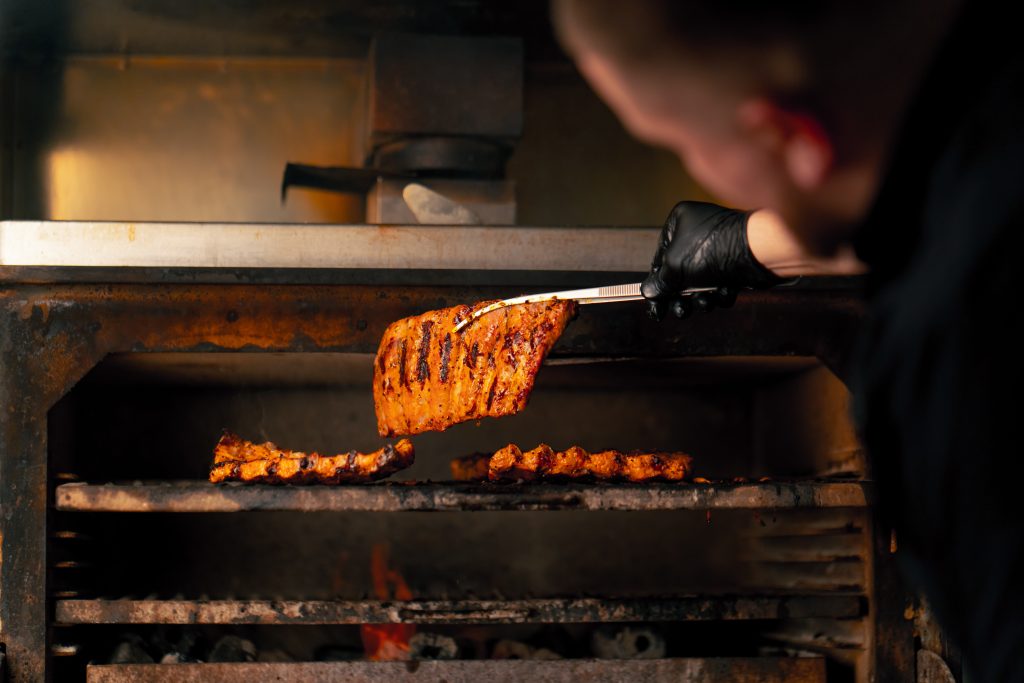
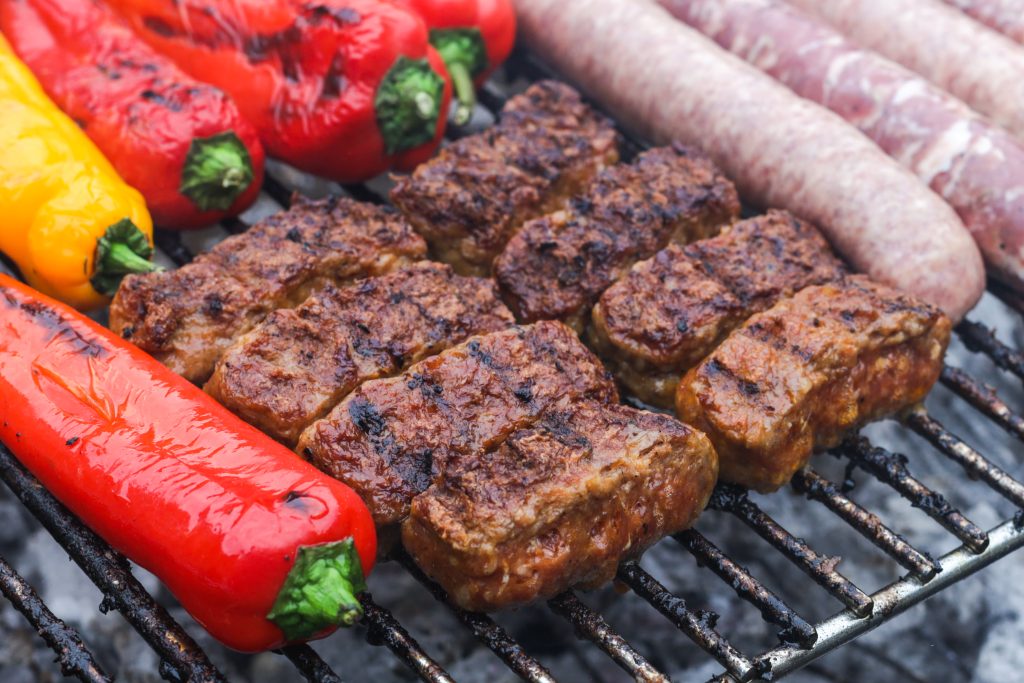
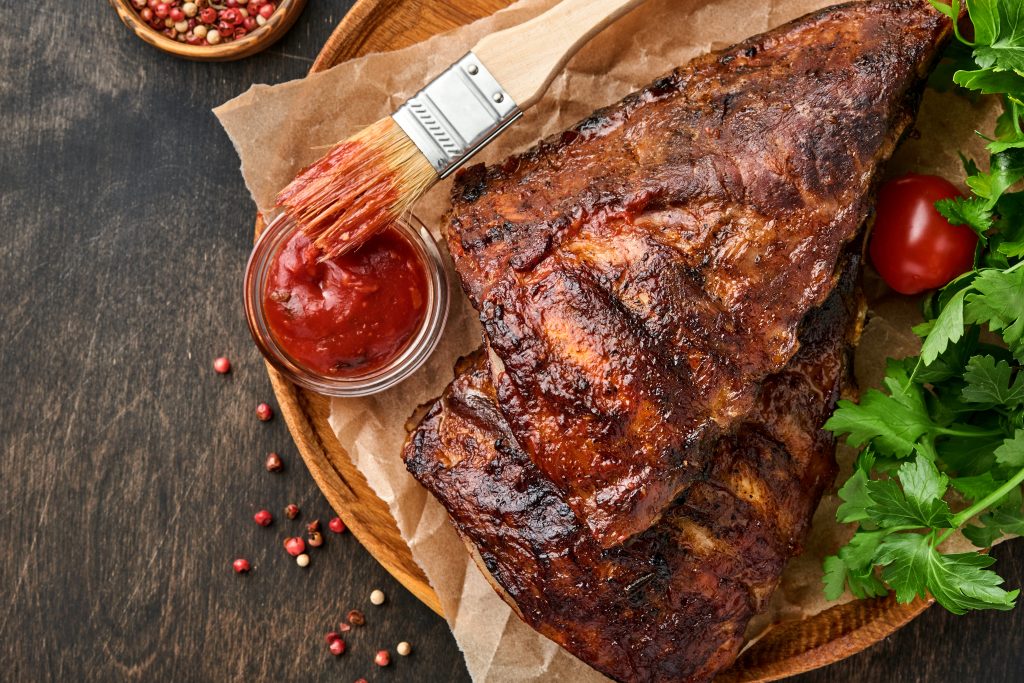
This is particularly noticeable in grilled and roasted dishes, which are popular in American kitchens.
pH Balance and Shelf Stability
Meat quality is strongly influenced by muscle pH levels after slaughter. Stress-free slaughter and proper blood drainage help stabilize pH, which affects color, tenderness, and shelf life.
Zabiha meat that is handled correctly often shows:
-
Better color retention
-
Less excess moisture loss
-
Improved storage stability
This makes it appealing to both home cooks and restaurant kitchens in the USA.
Cleanliness and Food Safety Perception
In the American market, food safety is heavily regulated, but consumer perception still matters. Zabiha slaughter places strong emphasis on cleanliness throughout the process—from the blade used to handling the carcass.
This focus aligns with modern food safety values and builds consumer confidence. Many Muslim families trust Zabiha meat because the process itself discourages shortcuts and careless handling.
Flavor Development and Cooking Performance
Flavor is not only about seasoning—it begins with meat quality. Zabiha slaughter allows muscle fibers to relax naturally, which can improve how meat absorbs marinades and spices.
In cooking, this often results in:
-
Better flavor penetration
-
More consistent browning
-
Juicier results
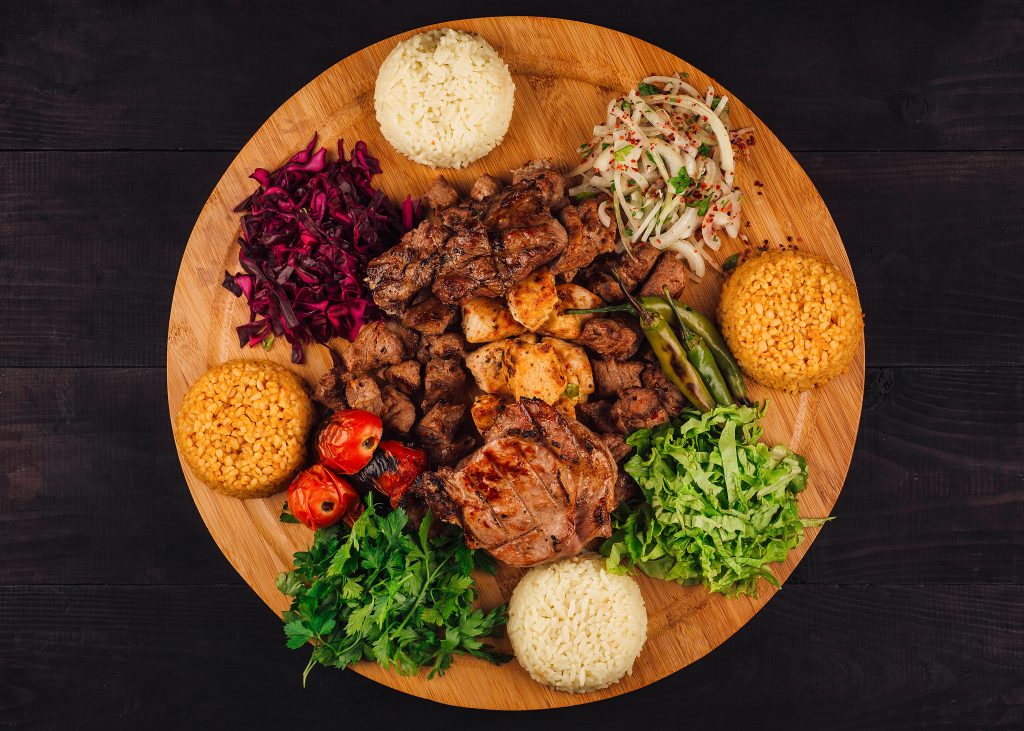
American-style grilling, BBQ, and roasting benefit especially from these qualities, which helps explain the popularity of Zabiha meat in both home cooking and restaurants.
Ethical Treatment and Consumer Trust
Beyond physical quality, ethical considerations influence how consumers perceive food. Zabiha slaughter’s focus on humane treatment resonates with Americans who are concerned about animal welfare.
When consumers trust the ethics behind their food, they often report higher satisfaction and confidence in what they are eating. This psychological aspect plays a subtle but important role in perceived quality.
Comparison With High-Speed Industrial Slaughter
In large-scale industrial meat processing, speed and volume are often prioritized. While these systems meet regulatory standards, they can sometimes compromise handling quality and consistency.
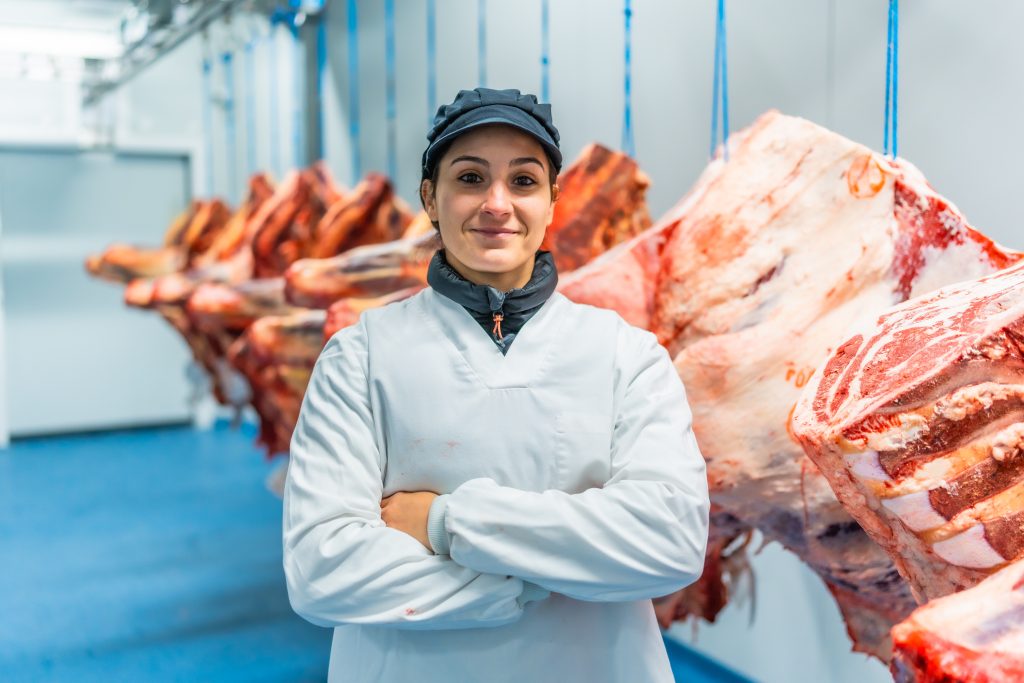
Zabiha slaughter—especially when done by reputable suppliers—tends to favor care over speed, resulting in meat that many consumers find superior in texture and freshness.
Why US Restaurants Prefer Zabiha Meat
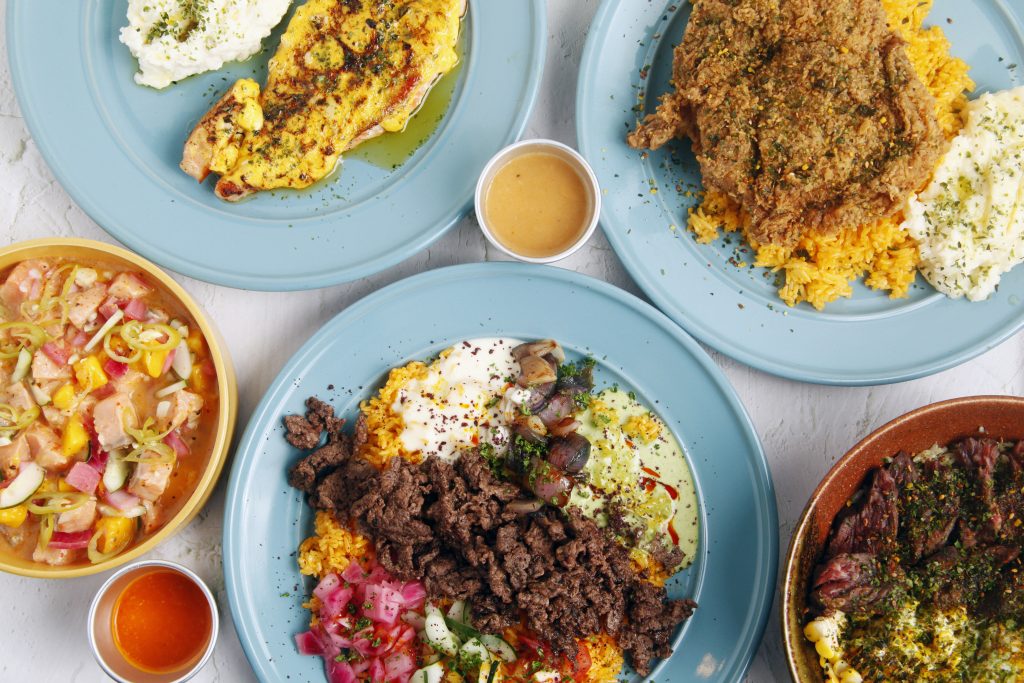
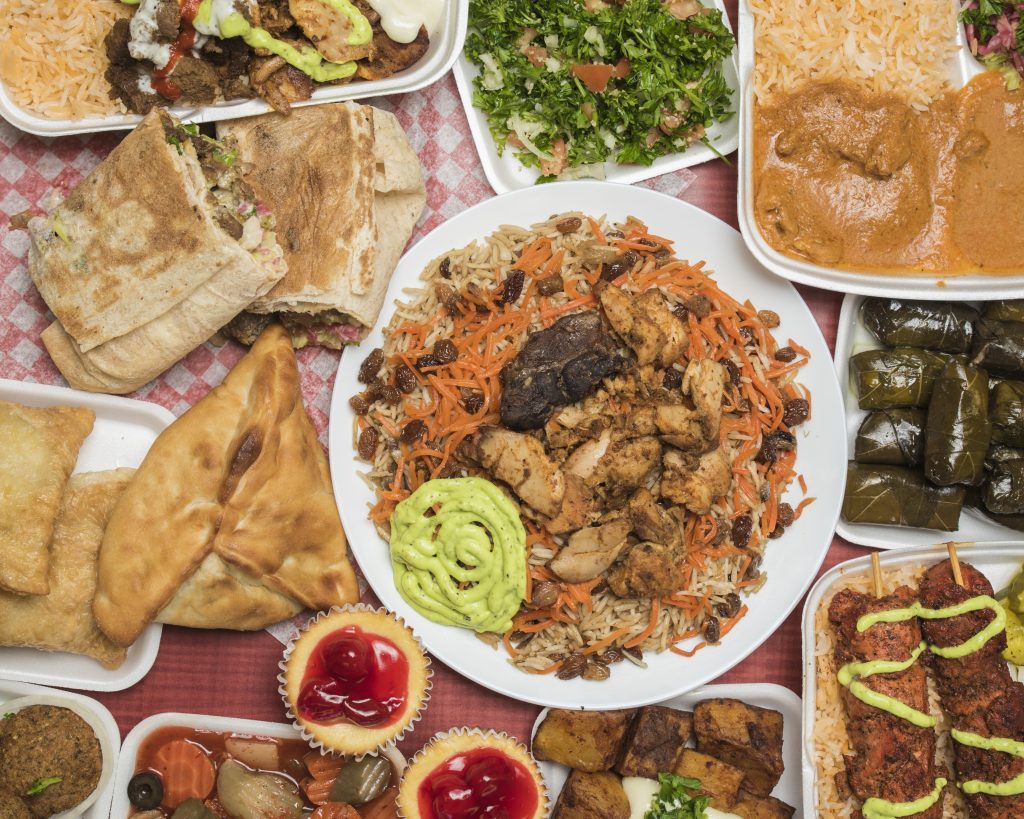
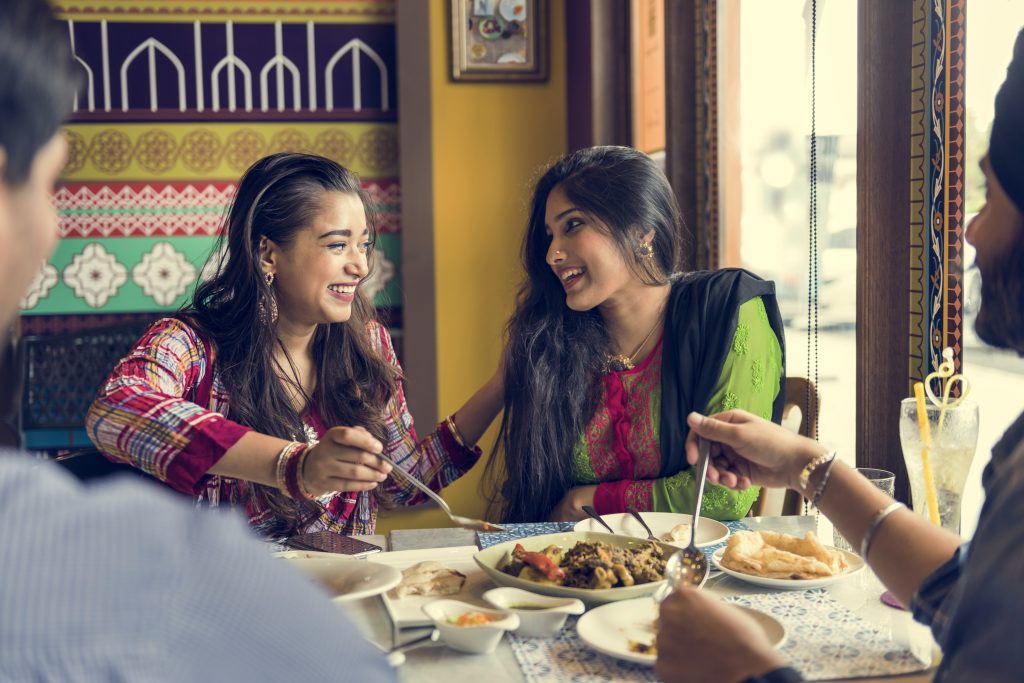
Many Zabiha-focused restaurants in the USA choose this meat not only for religious reasons but also for performance. Chefs appreciate its:
-
Consistent texture
-
Reliable cooking behavior
-
Strong customer satisfaction
These practical benefits help explain why Zabiha meat is often highlighted as a quality feature rather than just a compliance label.
Does Zabiha Guarantee Better Quality?
It is important to be precise: Zabiha slaughter alone does not guarantee high-quality meat. Quality still depends on farming conditions, animal diet, storage, and transport. However, Zabiha provides a strong foundation that supports better outcomes when combined with responsible sourcing.
Conclusion
The Zabiha slaughter process impacts meat quality in several meaningful ways—from cleanliness and tenderness to flavor and consumer trust. Its emphasis on humane treatment, complete blood drainage, and careful handling aligns closely with modern American expectations around food quality and ethics.
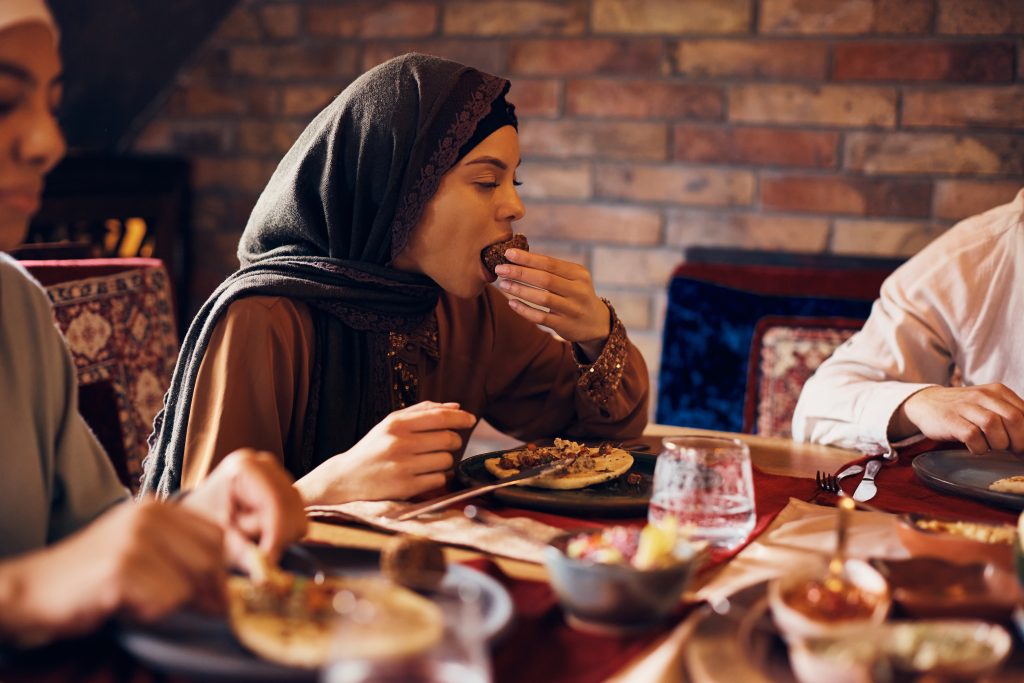
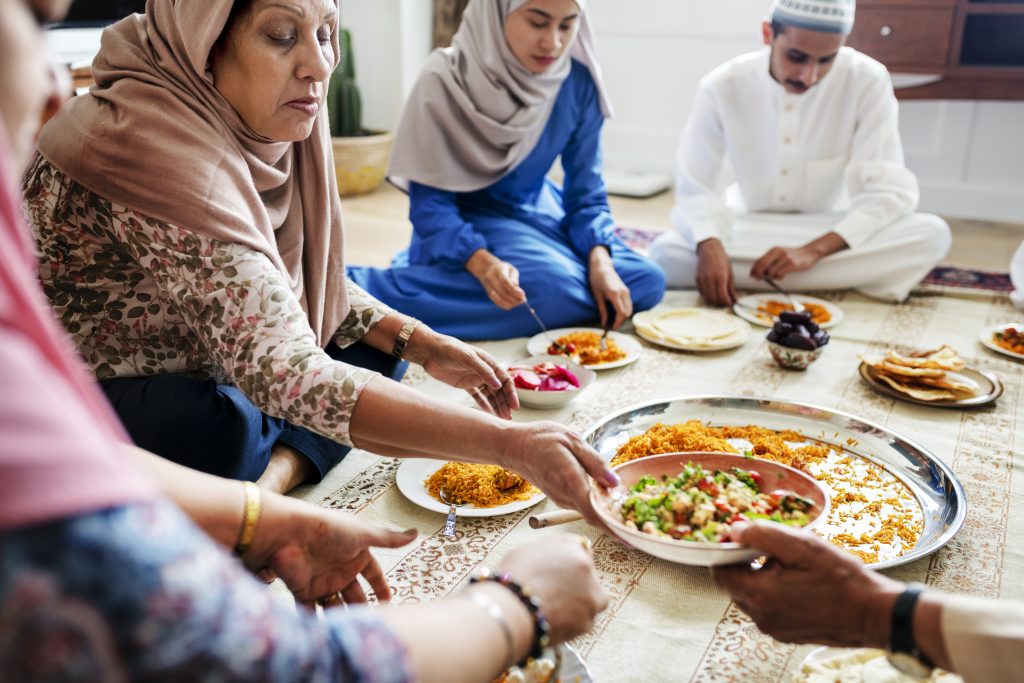
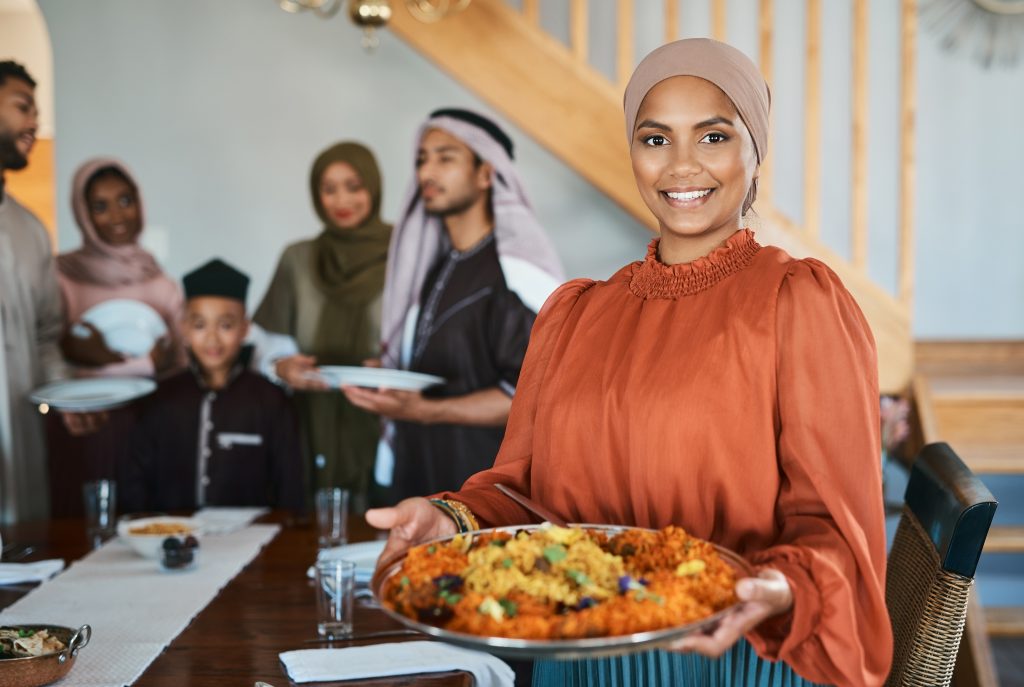
For Muslim families in the USA, Zabiha represents both faith and quality. When done properly, it delivers meat that performs better in the kitchen, feels cleaner to consume, and fits naturally into today’s health- and quality-focused food culture.