




























How Zabiha Restaurants Source Meat in the USA

For Zabiha restaurant owners in the United States, meat sourcing is the backbone of trust, compliance, and business sustainability. Customers expect clarity, consistency, and confidence in Zabiha standards—and restaurants must deliver this every single day. Understanding how Zabiha restaurants source meat in the USA reveals the operational complexity behind a meal that diners often take for granted.
What Zabiha Sourcing Means in the US Market
In the American context, Zabiha sourcing involves more than purchasing halal-labeled meat. Restaurants must ensure that animals are slaughtered according to Islamic requirements, handled properly, and kept separate from non-Zabiha products throughout the supply chain.
This includes:
-
Verified Zabiha slaughter
-
Halal-certified facilities
-
Proper storage and transport
-
Clear documentation
Each step affects both religious compliance and food safety.
Working With Halal-Certified Slaughterhouses
Most Zabiha restaurants rely on halal-certified slaughterhouses or processing facilities. These facilities follow Islamic slaughter protocols while also meeting US federal and state regulations for food safety.
Restaurant owners often choose suppliers based on:
-
Reputation within the Muslim community
-
Consistency of compliance
-
Transparency in documentation
Long-term relationships with trusted slaughterhouses reduce risk and ensure steady supply.
The Role of Halal Certification Bodies
Certification bodies play an important role in the Zabiha supply chain. They audit slaughter processes, inspect facilities, and verify compliance. While certification standards may vary, reputable Zabiha restaurants prioritize suppliers that undergo regular inspections.
For owners, certification offers:
-
External validation
-
Customer reassurance
-
Operational accountability
However, responsible owners still conduct their own due diligence rather than relying solely on certificates.
Local vs National Meat Suppliers
Zabiha restaurants in the USA source meat from either local halal suppliers or national distributors. Each option has trade-offs.
Local suppliers often provide:
-
Fresher meat
-
Greater transparency
-
Stronger community trust
National suppliers offer:
-
Consistent volume
-
Wider distribution
-
Standardized processing
Many restaurants use a hybrid approach, sourcing staple items nationally while purchasing specialty cuts locally.
Transportation and Cold Chain Management
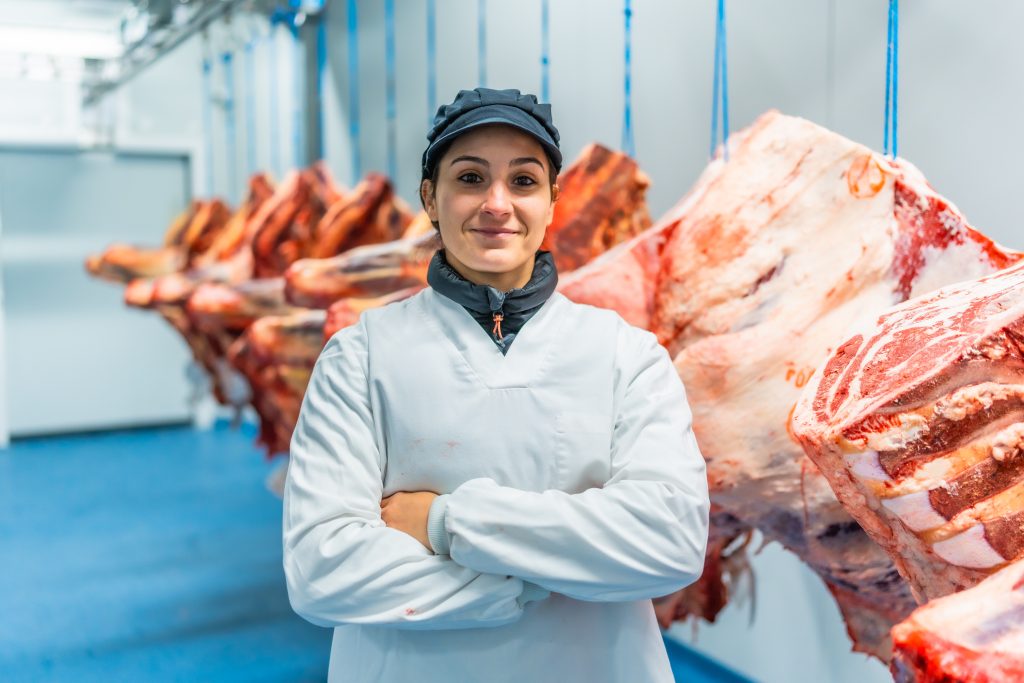
Maintaining Zabiha integrity does not end at slaughter. Transportation plays a critical role. Meat must remain properly refrigerated and clearly labeled during transit to prevent cross-contamination.
Restaurants expect suppliers to:
-
Use sealed packaging
-
Maintain cold-chain standards
-
Deliver within strict timeframes
Any lapse can compromise both safety and religious compliance.
Storage and Handling at the Restaurant Level
Once meat arrives, responsibility shifts to the restaurant. Owners must ensure:
-
Separate storage for Zabiha meat
-
Clear labeling
-
Clean handling practices
Even the best-sourced meat can lose integrity if storage standards are not maintained consistently.
Cost Challenges in Zabiha Sourcing
Zabiha meat typically costs more than conventional meat due to:
-
Smaller-scale slaughter operations
-
Manual processes
-
Certification and auditing costs
Restaurant owners must balance these higher costs with competitive pricing. Many absorb part of the cost to maintain accessibility for their communities.
Supply Consistency and Availability Issues
One of the biggest challenges for Zabiha restaurants is supply consistency. Demand fluctuates during:
-
Ramadan
-
Eid seasons
-
Community events
Owners often plan weeks in advance, placing larger orders or securing backup suppliers to avoid shortages.
Dealing With Regional Differences
Zabiha sourcing varies significantly by region. Restaurants in major metro areas have more supplier options, while those in smaller cities may rely on distant distributors.
In less-served regions, owners sometimes coordinate group orders or invest in freezer storage to manage supply gaps.
Transparency Builds Customer Trust
Many successful Zabiha restaurants openly share sourcing details with customers. Some display supplier information or answer sourcing questions directly.
This transparency:
-
Builds long-term trust
-
Differentiates serious operators
-
Reduces customer hesitation
Trust is especially important in competitive markets with many “halal” claims.
Ethical Responsibility Beyond Compliance
For many owners, sourcing Zabiha meat is also an ethical commitment. Humane treatment, clean slaughter, and honest business practices align with both religious values and customer expectations.
This ethical approach strengthens brand reputation and customer loyalty.
Regulatory Compliance in the USA
Zabiha sourcing must also comply with US food laws, including USDA and local health regulations. Restaurant owners navigate both religious and legal requirements—making sourcing a highly regulated process.
Those who manage this well gain stability and credibility.
Why Sourcing Defines a Zabiha Restaurant’s Reputation
Ultimately, a Zabiha restaurant’s reputation is built on sourcing. One lapse can damage years of trust. That is why experienced owners invest heavily in supplier relationships, verification, and internal controls.
Consistent sourcing is not just operational—it is reputational.
Conclusion
Zabiha restaurants in the USA source meat through a carefully managed process involving certified slaughterhouses, trusted suppliers, strict handling standards, and ongoing verification. Behind every plate is a complex supply chain designed to protect religious compliance, food safety, and customer trust. For restaurant owners, sourcing is not just a logistical task—it is the foundation upon which the entire Zabiha dining experience is built.