


















How Zabiha Fits into a Healthy American Lifestyle


Living a healthy lifestyle in the United States often means balancing convenience, nutrition, work schedules, and personal values. For Muslim families, Zabiha food fits naturally into this equation. Rather than being a limitation, Zabiha offers a structured, intentional approach to eating that aligns well with modern American health goals.
Healthy Living in the American Context
A healthy American lifestyle typically focuses on:
-
Balanced nutrition
-
Regular physical activity
-
Mindful eating habits
-
Ethical and transparent food choices
Zabiha supports these priorities by emphasizing clean sourcing, intentional consumption, and moderation—principles that are increasingly promoted by nutrition experts across the USA.
Zabiha Encourages Mindful Food Choices
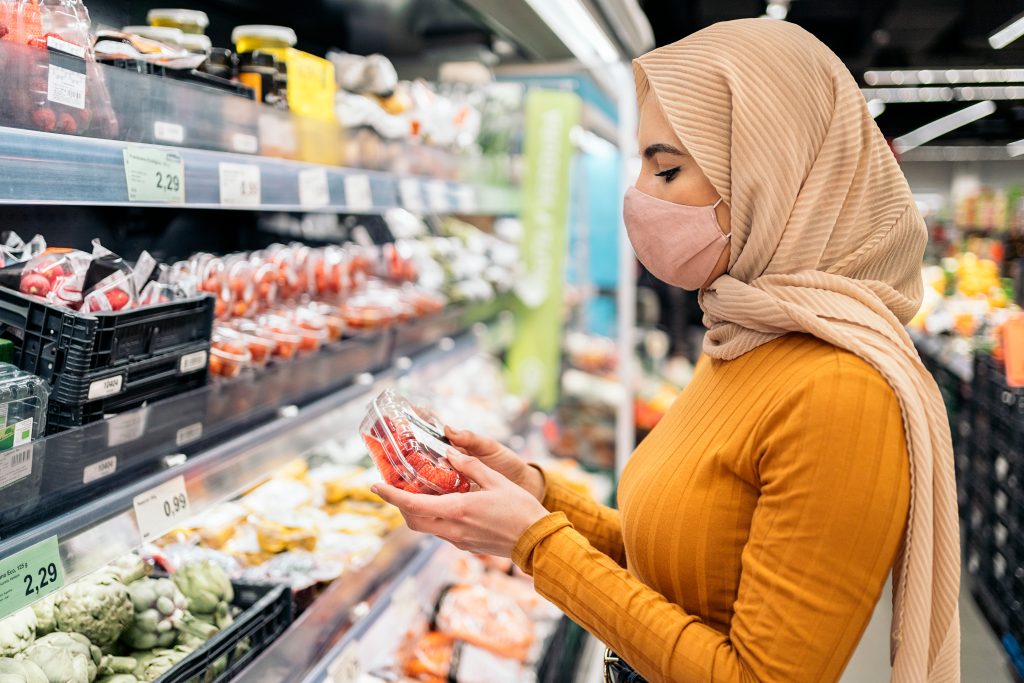
One of the biggest advantages of Zabiha in an American lifestyle is mindfulness. Because Zabiha requires awareness of sourcing and preparation, Muslims are naturally more intentional about what they eat.
This mindfulness often leads to:
-
Fewer impulsive food choices
-
Less reliance on fast food
-
Greater appreciation for home-cooked meals
In a fast-paced American culture, this intentionality is a powerful health advantage.
Zabiha as a Reliable Protein Source
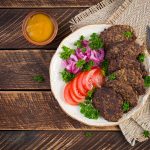
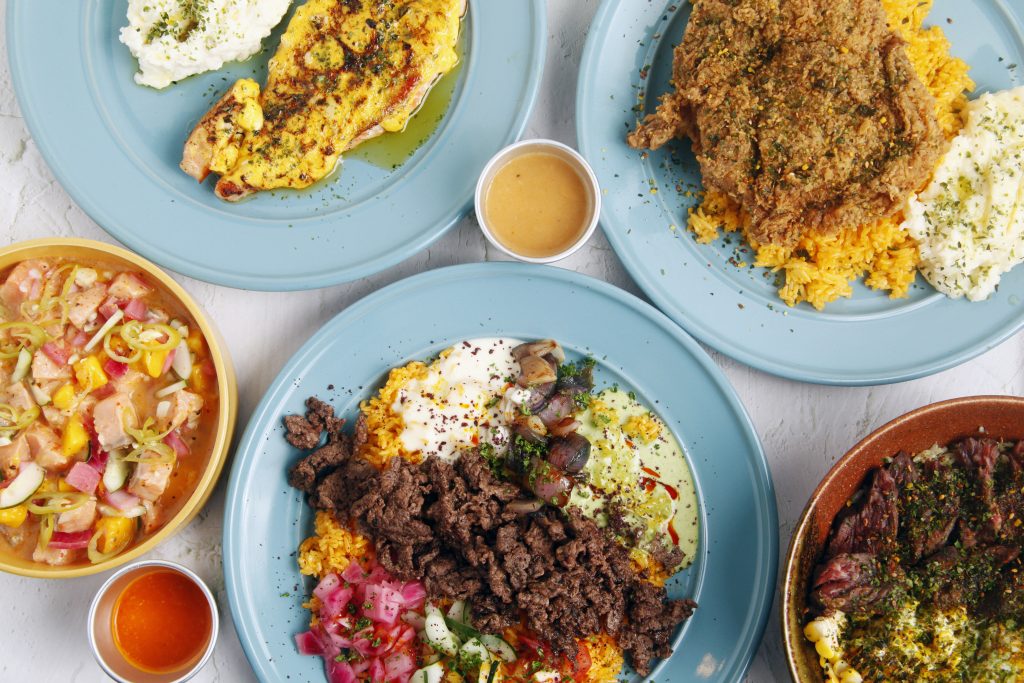
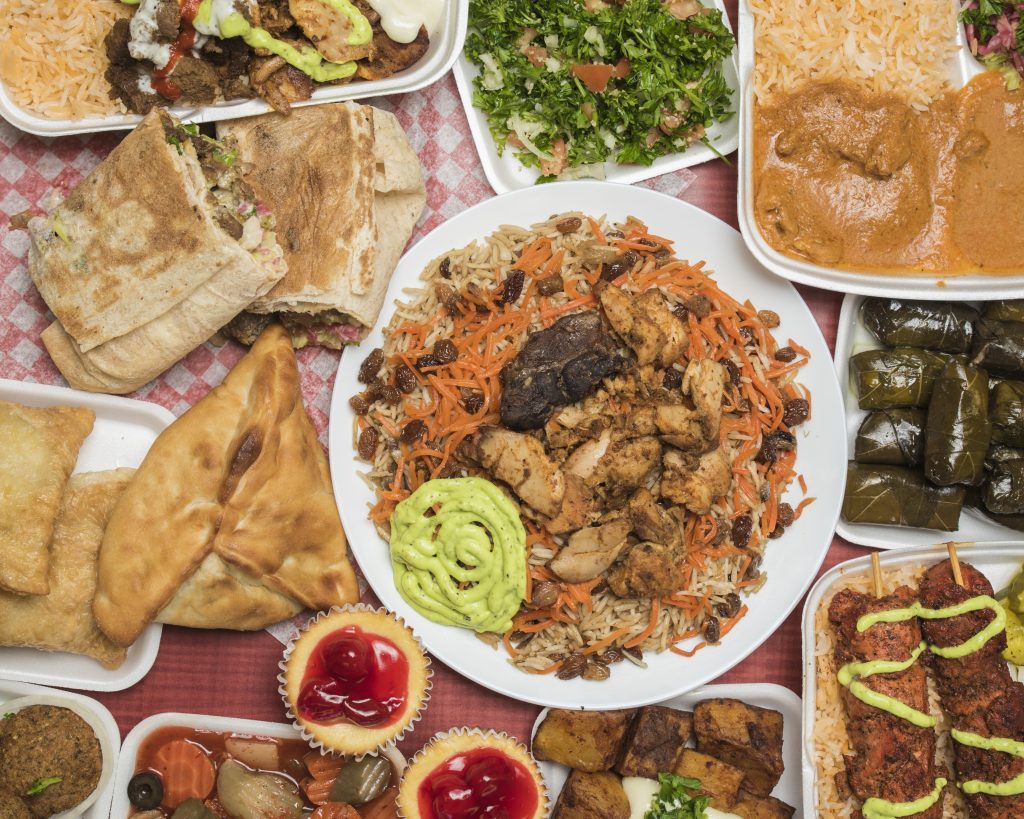
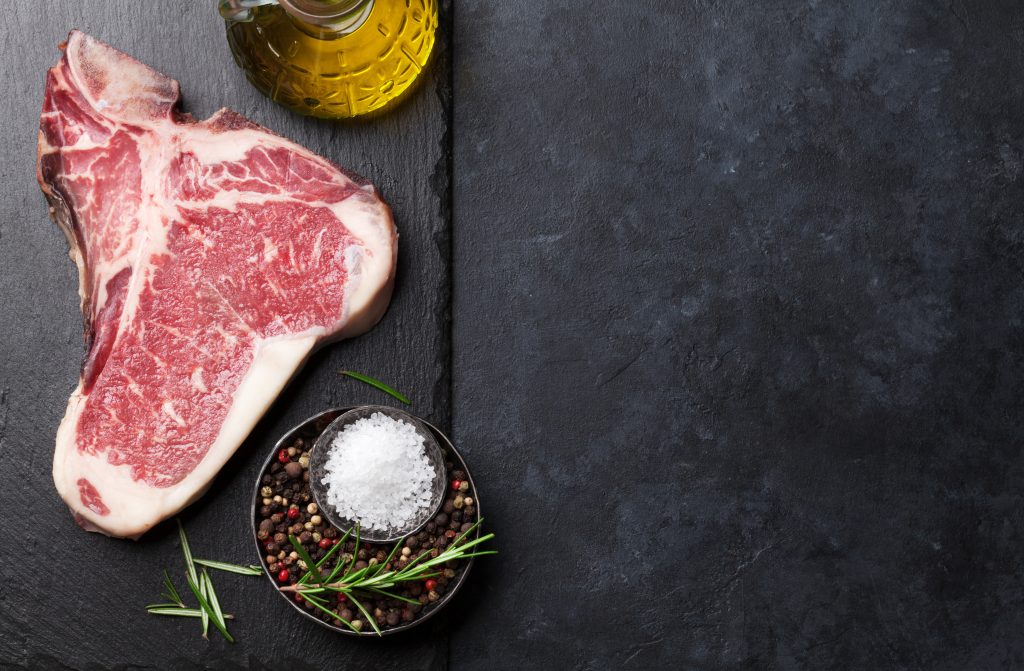
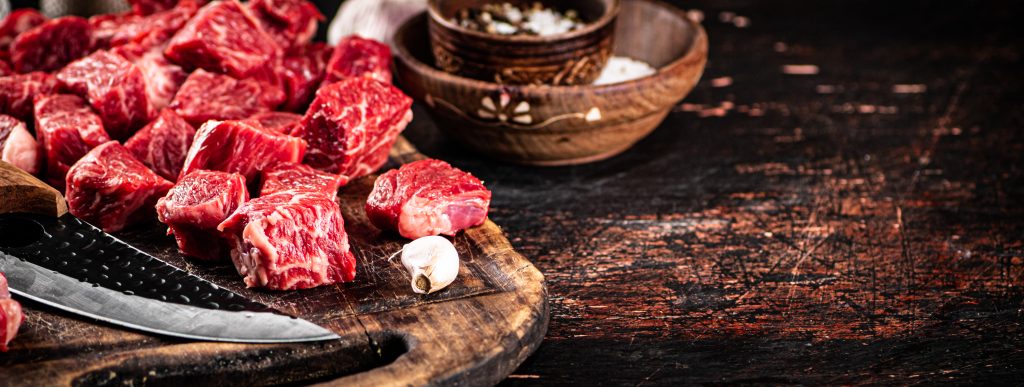
Protein is essential for muscle health, energy, and metabolism. Zabiha meat provides a clean, high-quality protein source that integrates easily into common American meal patterns—breakfast bowls, salads, wraps, and dinner plates.
For working professionals, students, and families, Zabiha meat supports sustained energy without excessive processing or additives when sourced responsibly.
Supports Active and Fitness-Oriented Lifestyles
Many American Muslims lead active lifestyles—gym workouts, walking routines, sports, or physically demanding jobs. Zabiha meat fits well into fitness-focused diets because it provides:
-
Complete protein for muscle recovery
-
Iron for stamina
-
B vitamins for energy metabolism
When paired with vegetables and whole grains, Zabiha meals support strength and endurance without extreme dieting.
Home Cooking Over Convenience Eating
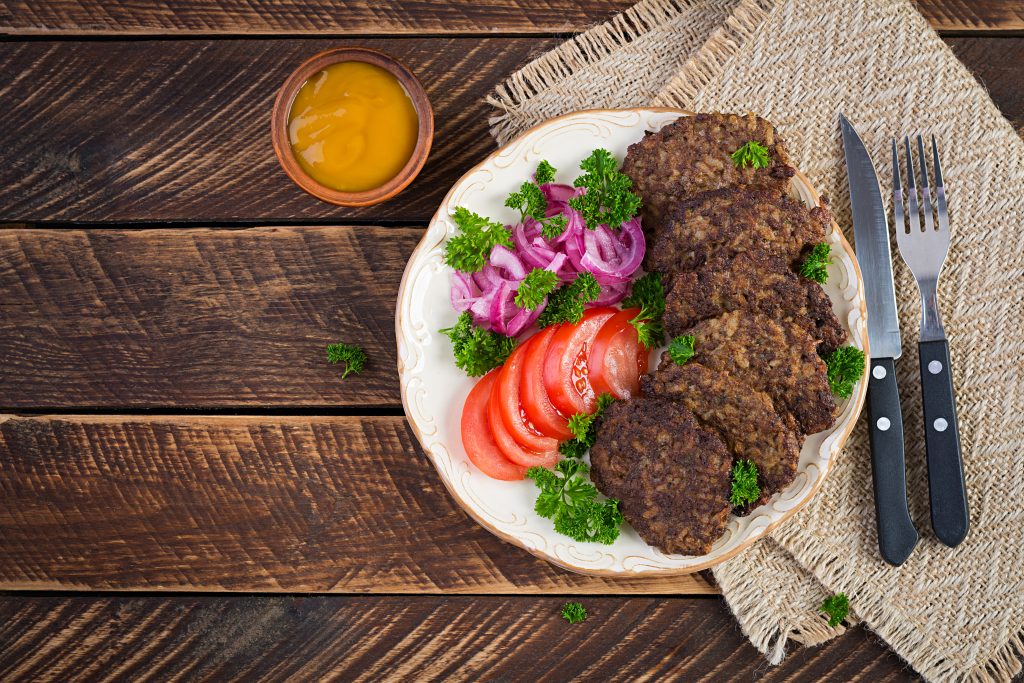
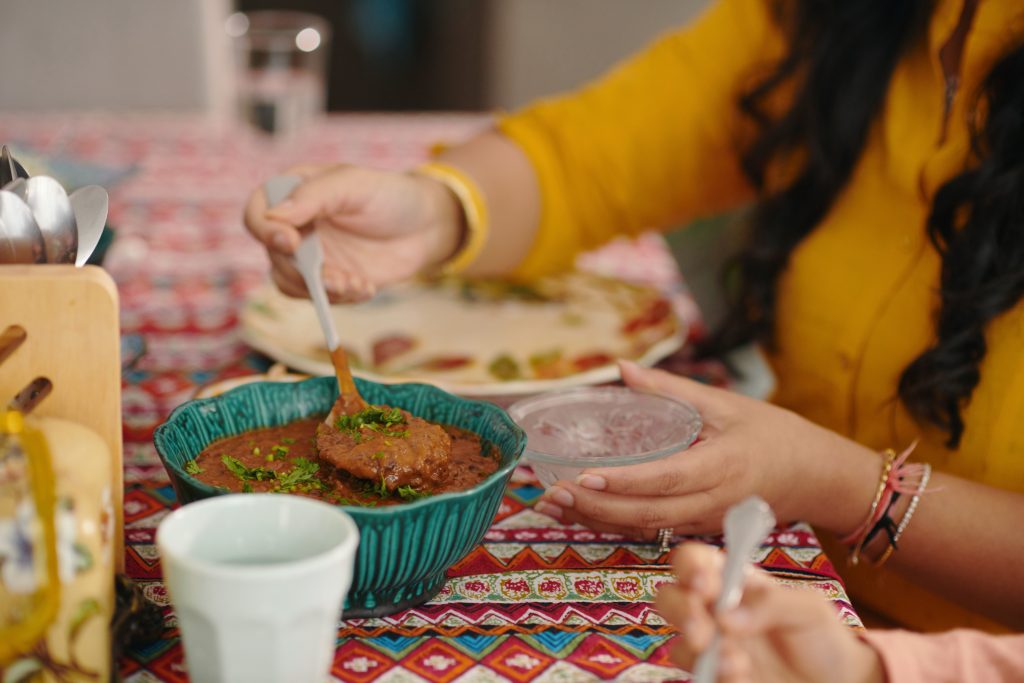
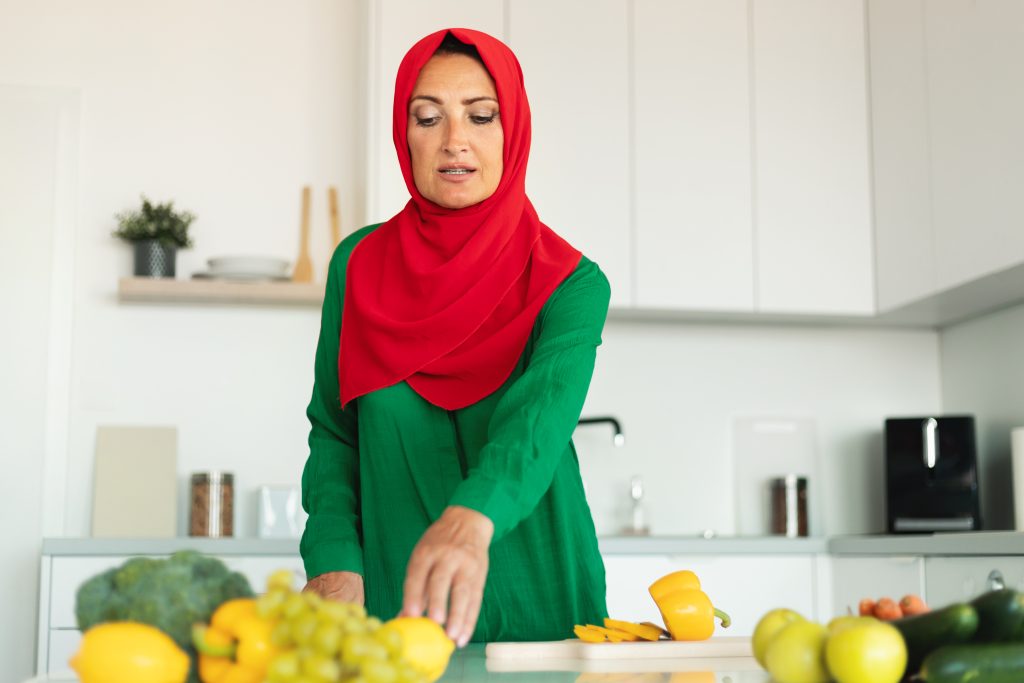
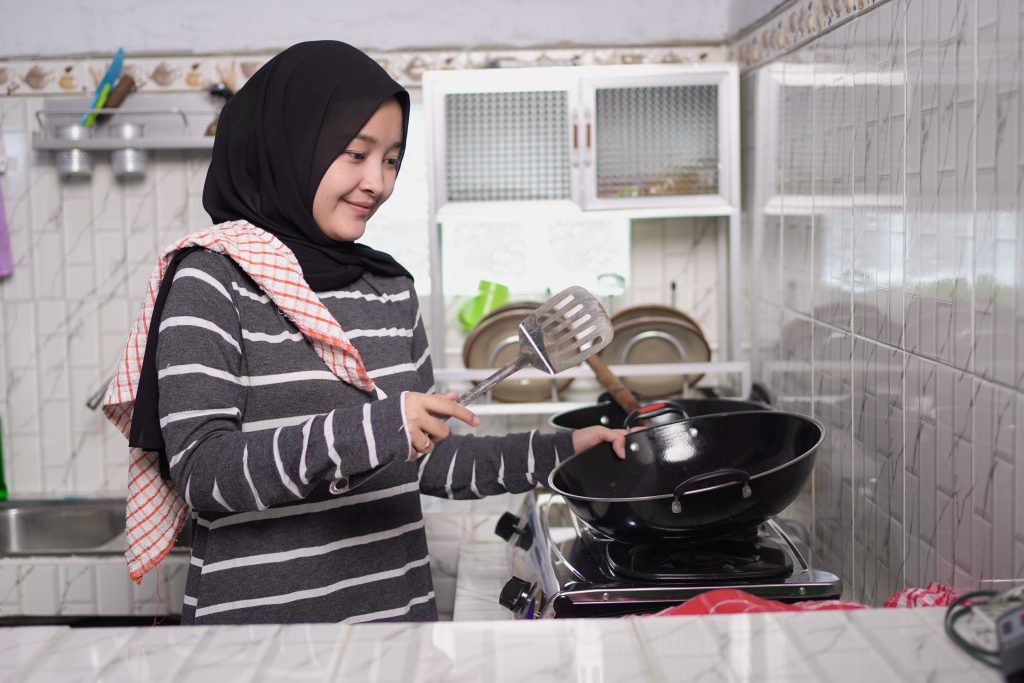
A healthy American lifestyle increasingly emphasizes home cooking as a response to processed food culture. Zabiha naturally encourages this shift, as families often prefer preparing meals themselves or choosing trusted restaurants.
This habit reduces:
-
Excess sodium
-
Hidden sugars
-
Artificial preservatives
Over time, home-based Zabiha cooking supports better long-term health outcomes.
Balanced Eating Rather Than Restriction
Zabiha does not promote elimination or extremes. Instead, it supports balance—moderate portions of meat, paired with vegetables, grains, and legumes. This mirrors dietary advice from US health authorities that emphasize variety and moderation.
Rather than labeling foods as “good” or “bad,” Zabiha-based eating encourages thoughtful, proportionate meals.
Mental and Emotional Well-Being
Healthy living is not only physical—it is mental and emotional. Eating Zabiha provides peace of mind for Muslim families, reducing anxiety around food choices and social dining.
This confidence contributes to:
-
Lower food-related stress
-
Greater enjoyment of meals
-
Stronger family dining routines
Emotional well-being plays a critical role in overall health, especially in busy American environments.
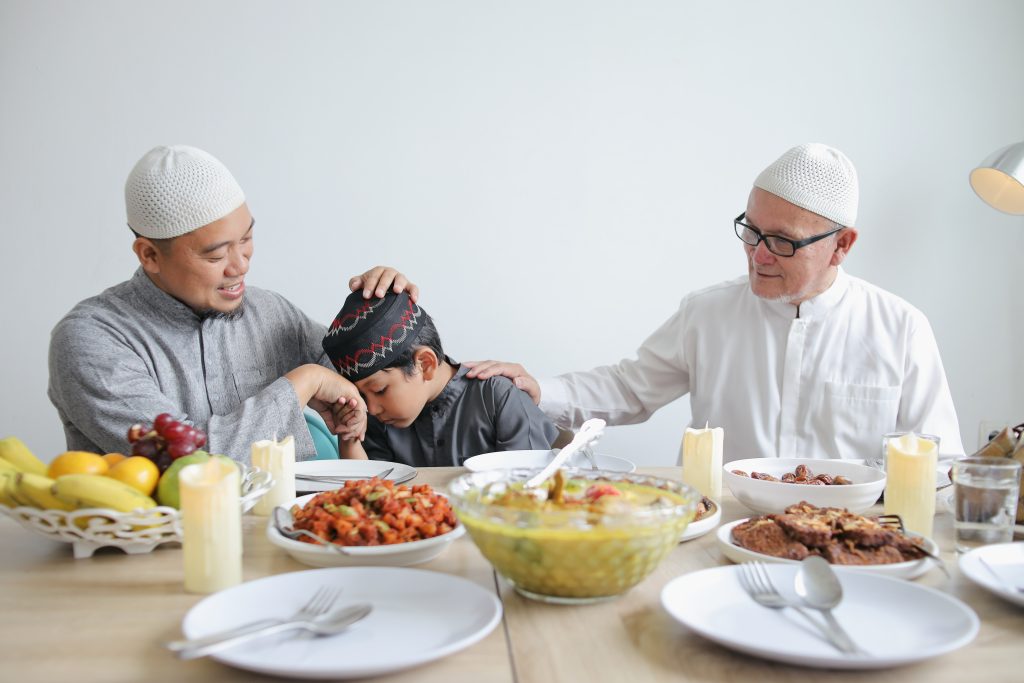
Zabiha and Family-Centered Healthy Habits
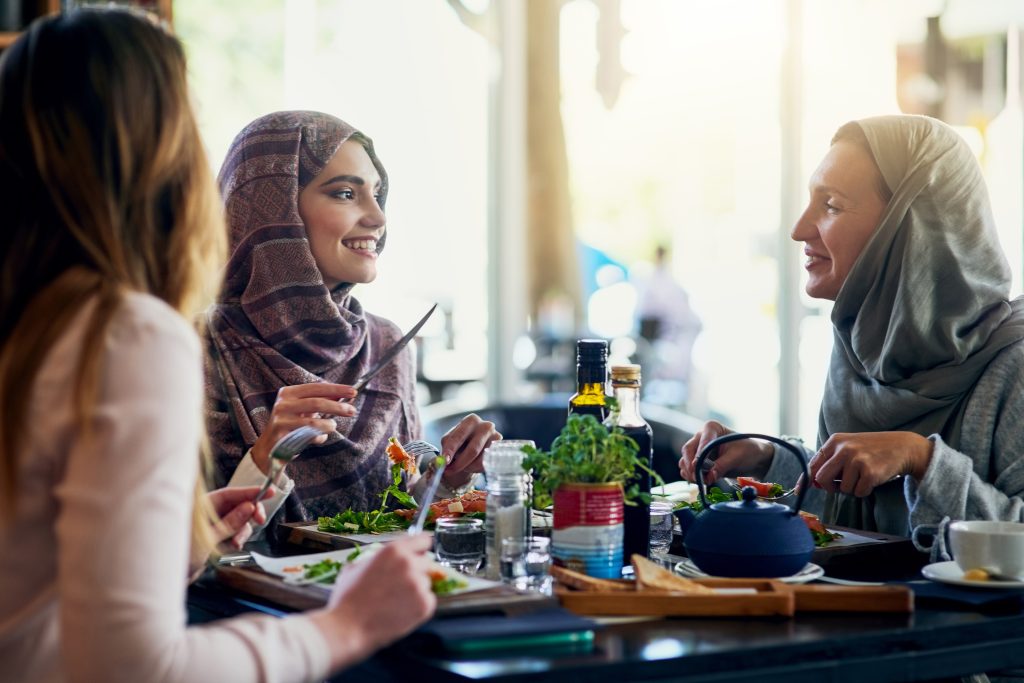
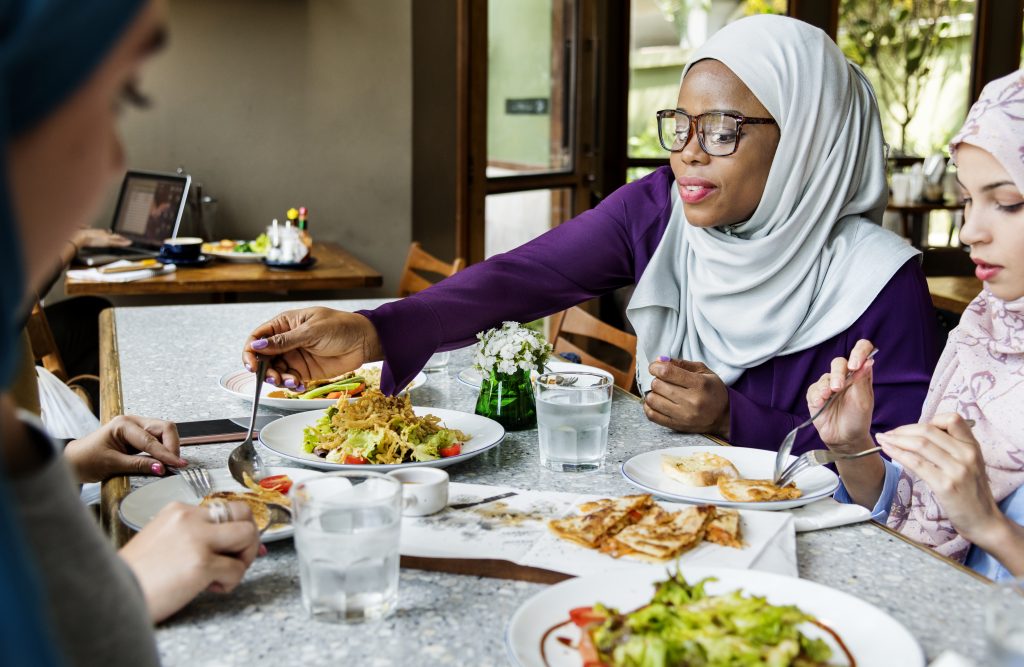
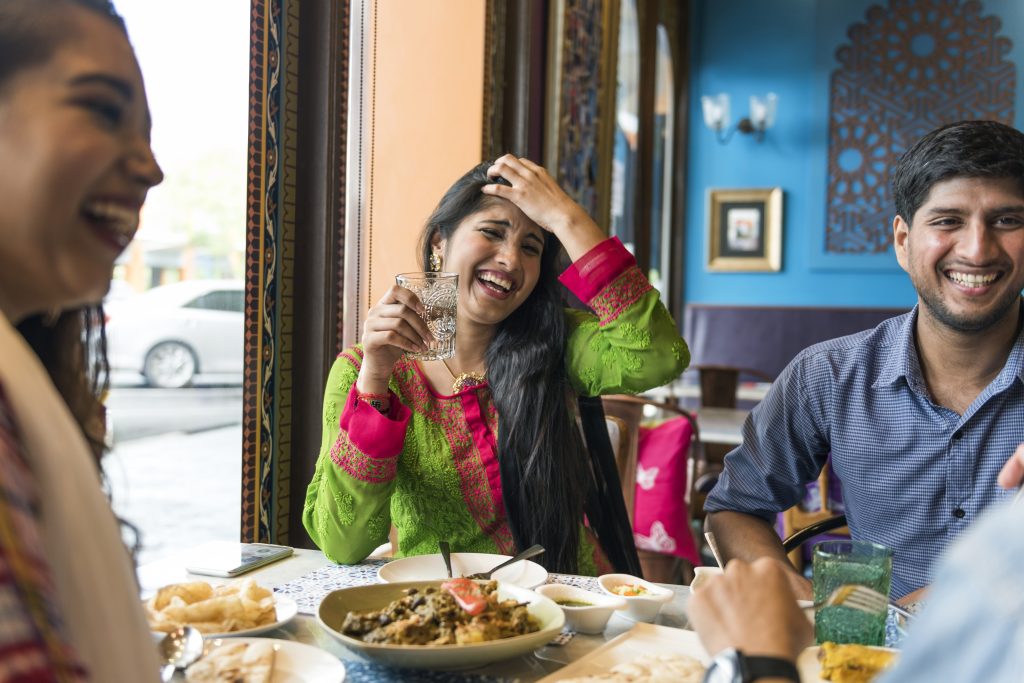
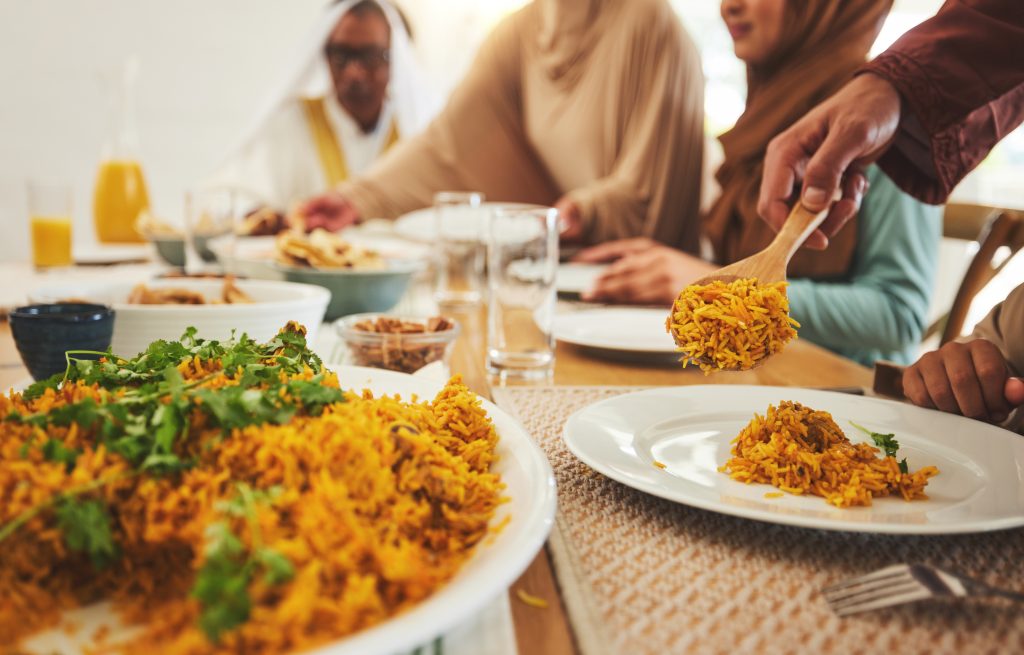
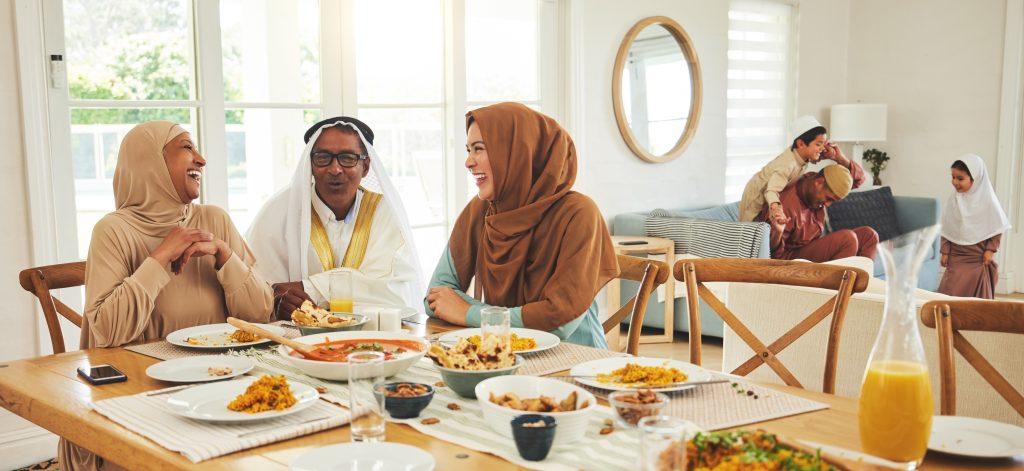
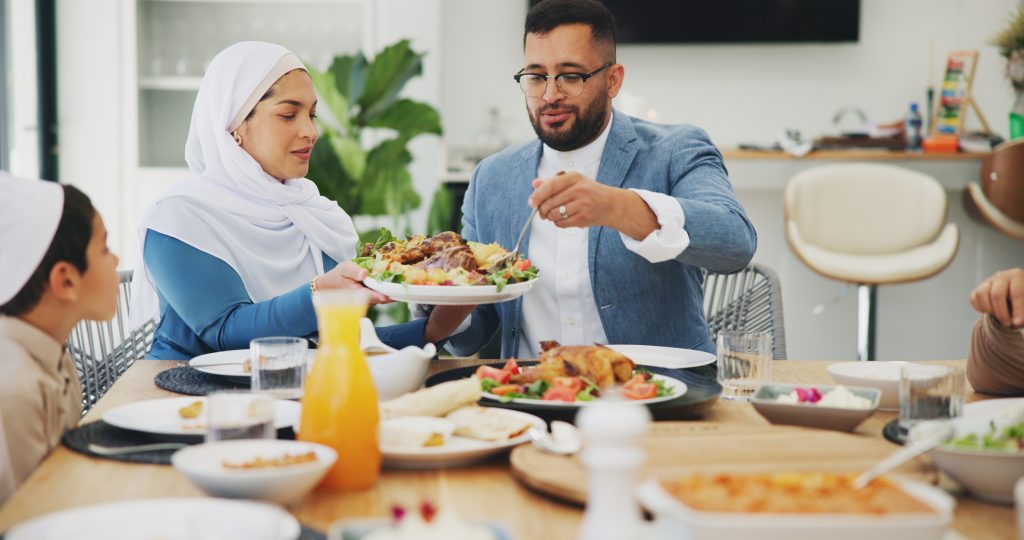
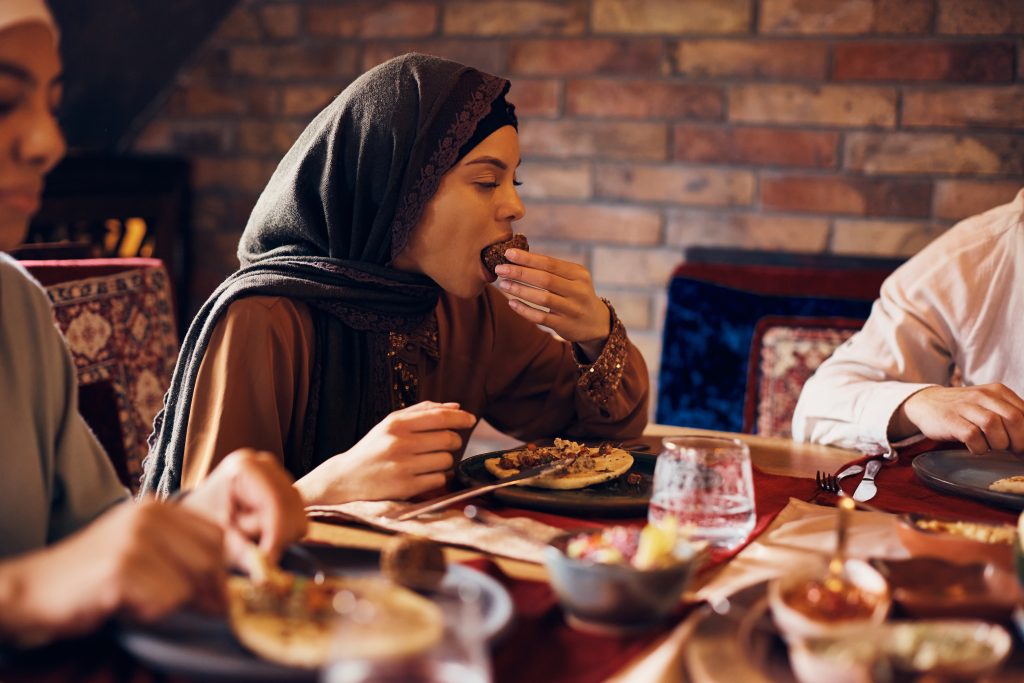
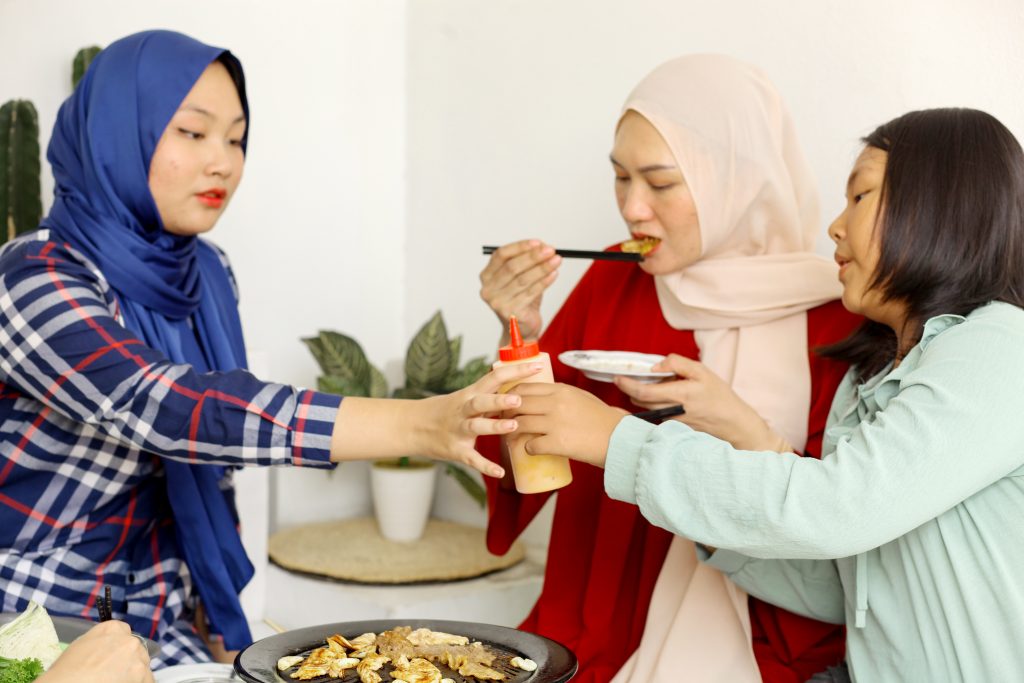
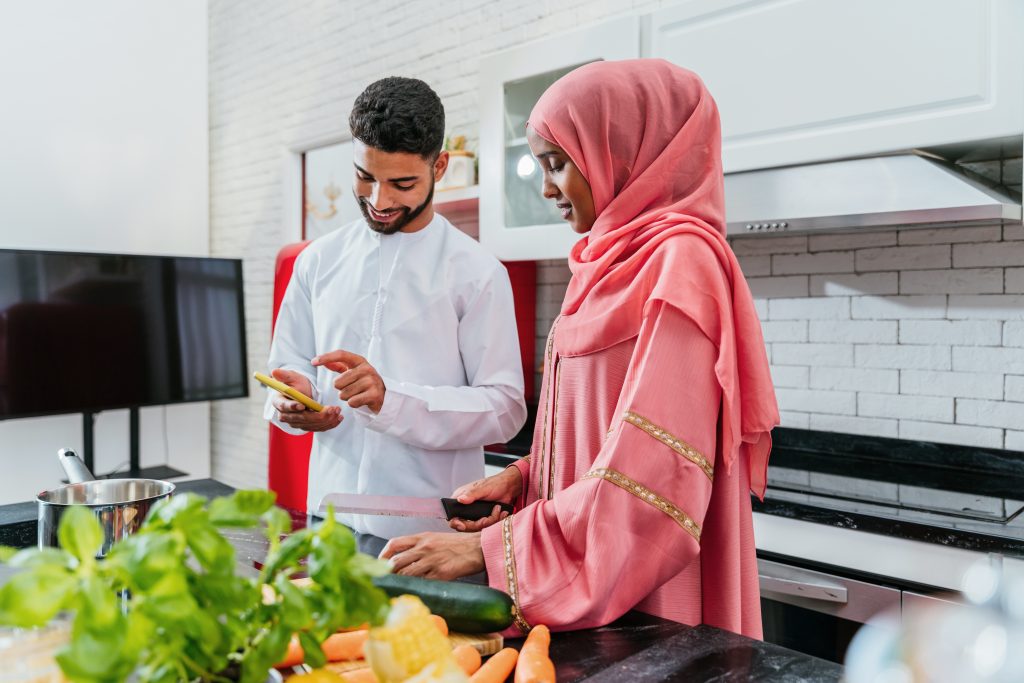
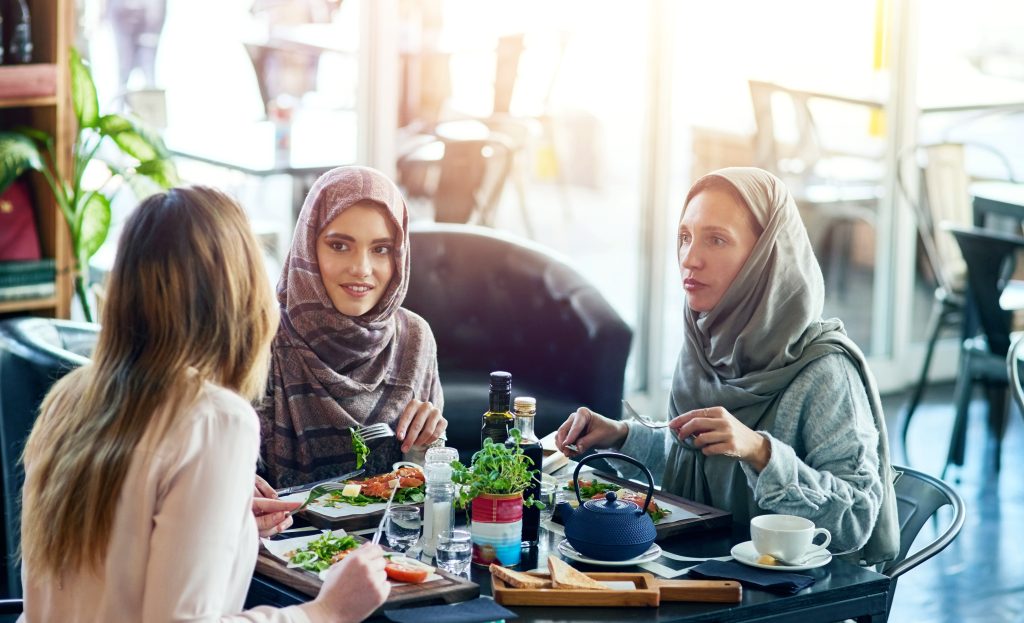
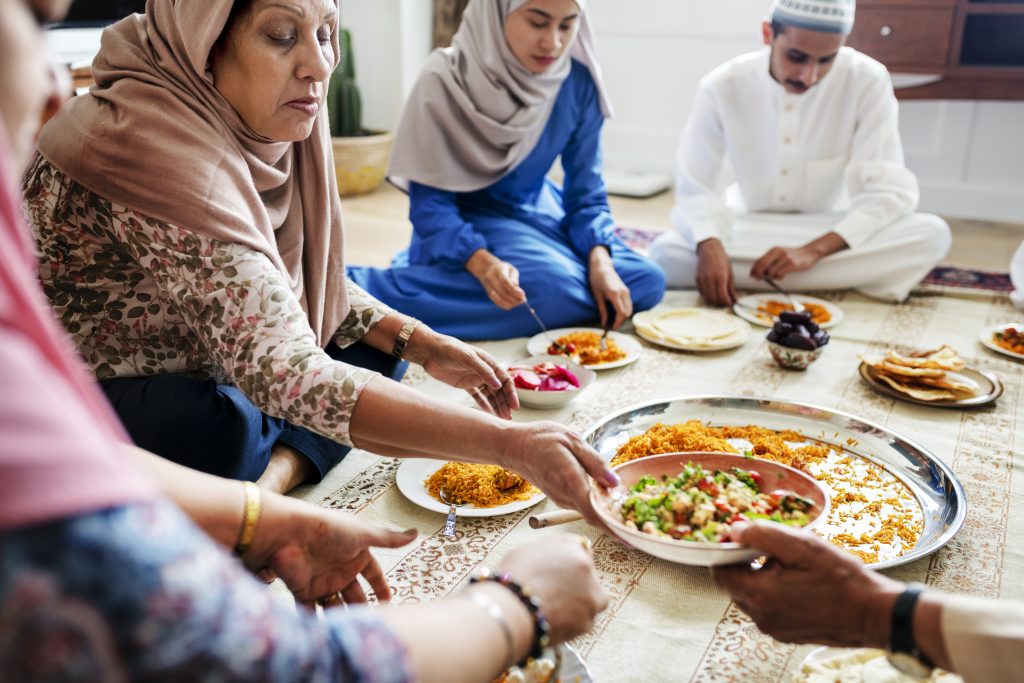
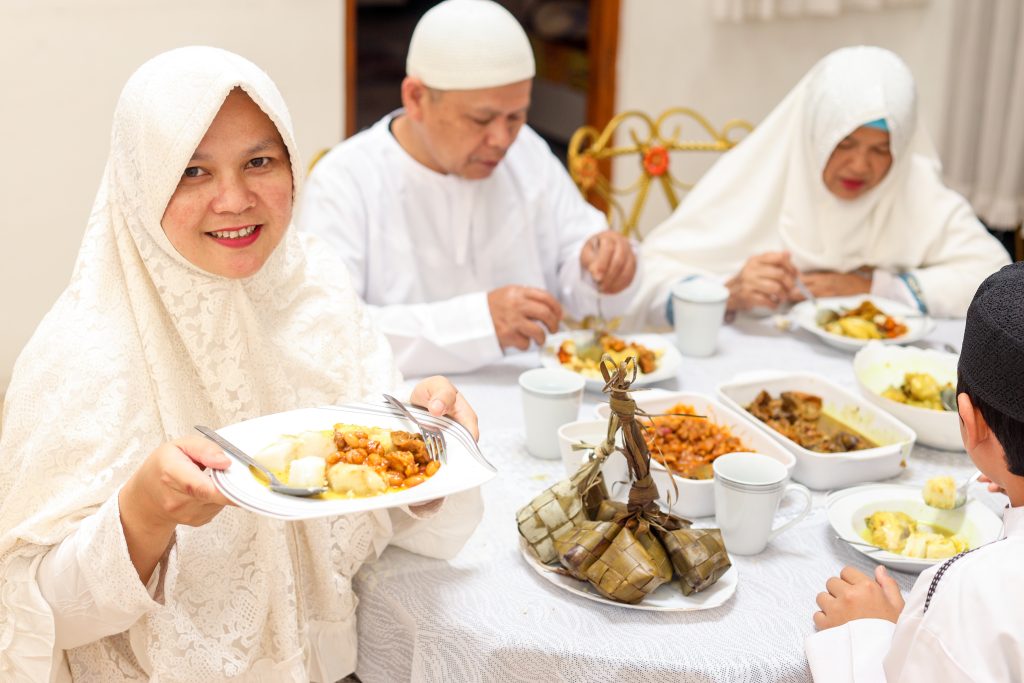
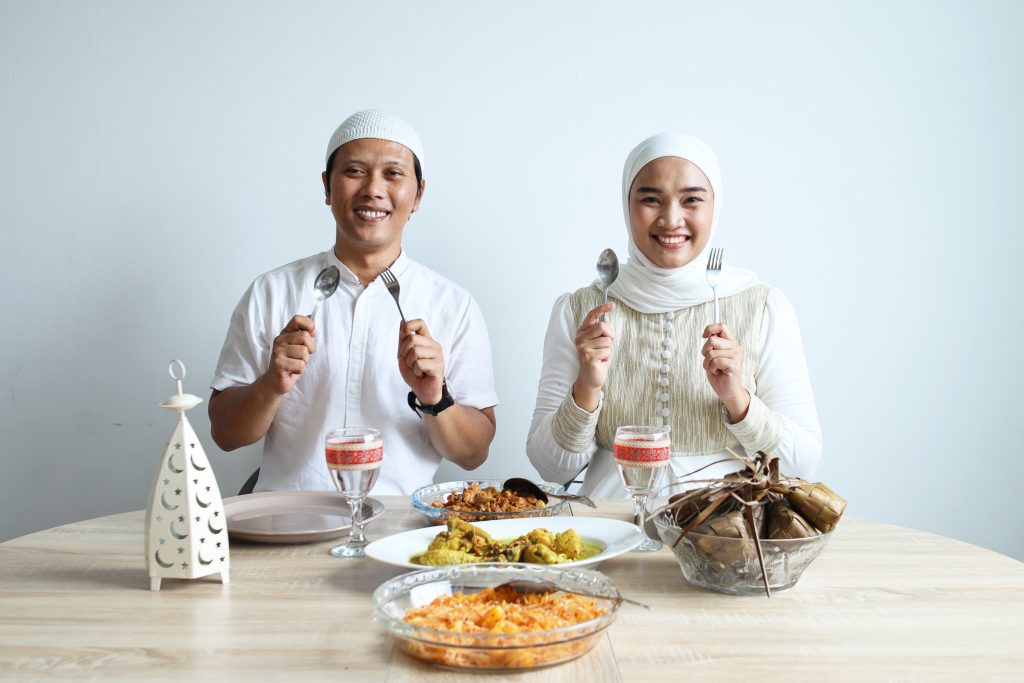
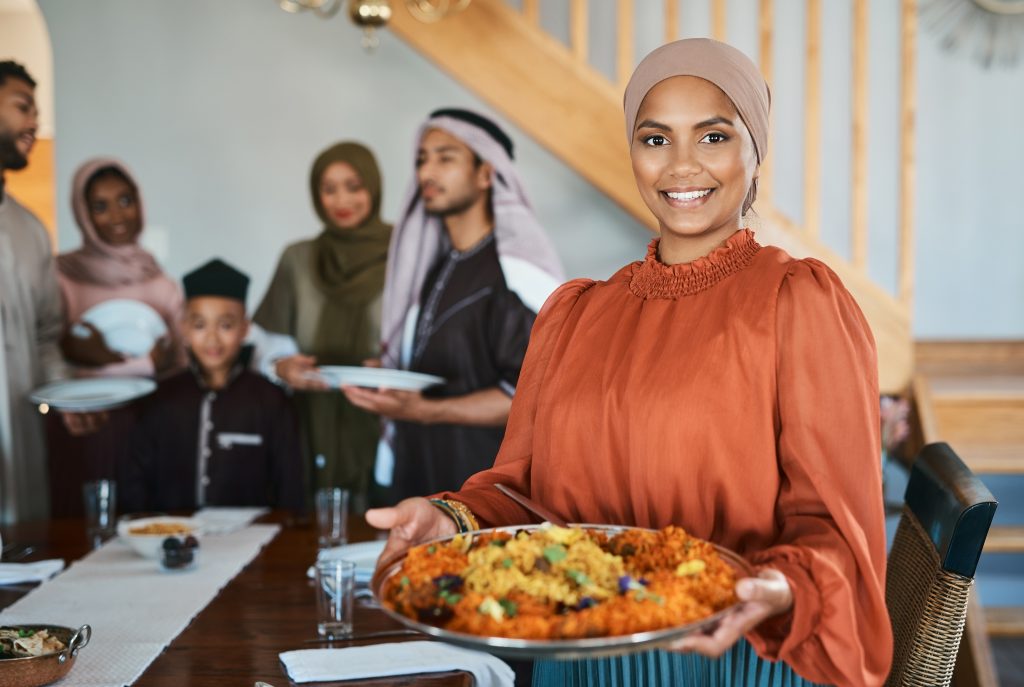
In many American Muslim households, Zabiha meals are shared experiences. Family dinners, weekend cooking, and communal meals reinforce healthy habits such as:
-
Regular meal times
-
Portion awareness
-
Reduced screen-time eating
These routines support children’s nutrition and long-term relationship with food.
Integrates Easily Into American Meal Patterns
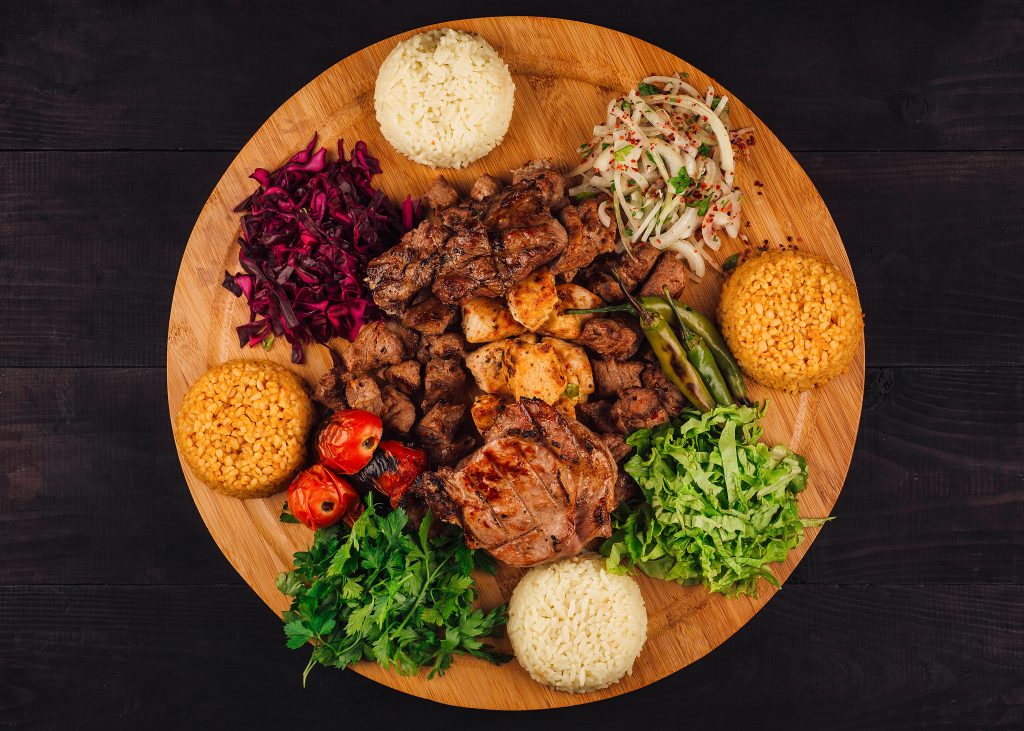
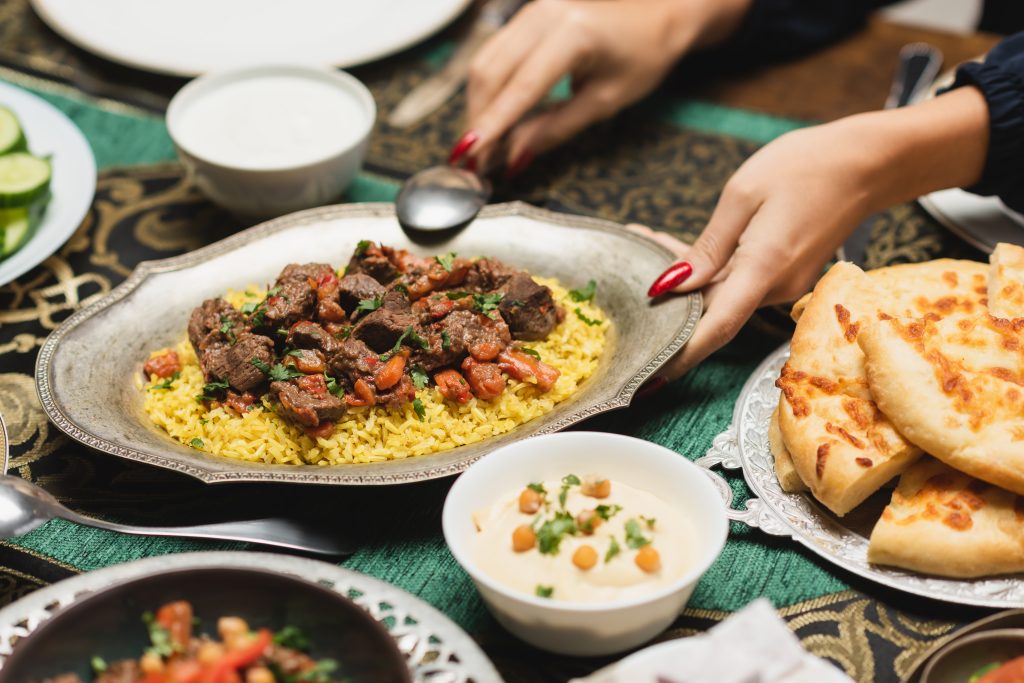
Zabiha food adapts well to common American meals:
-
Grilled chicken salads
-
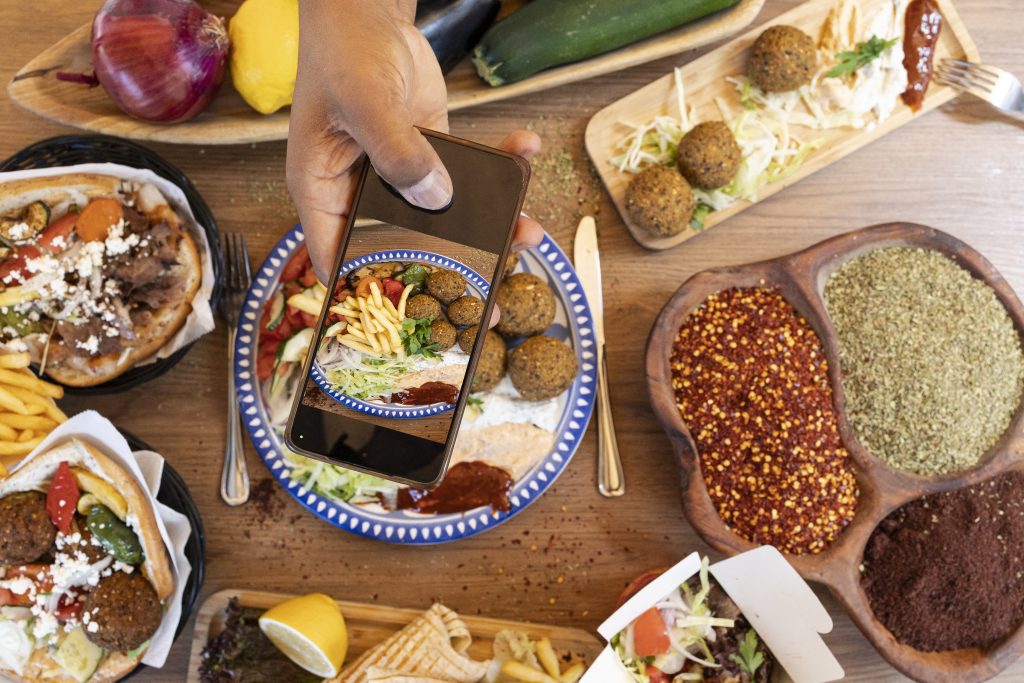
Rice bowls and wraps
-
Lean beef with vegetables
-
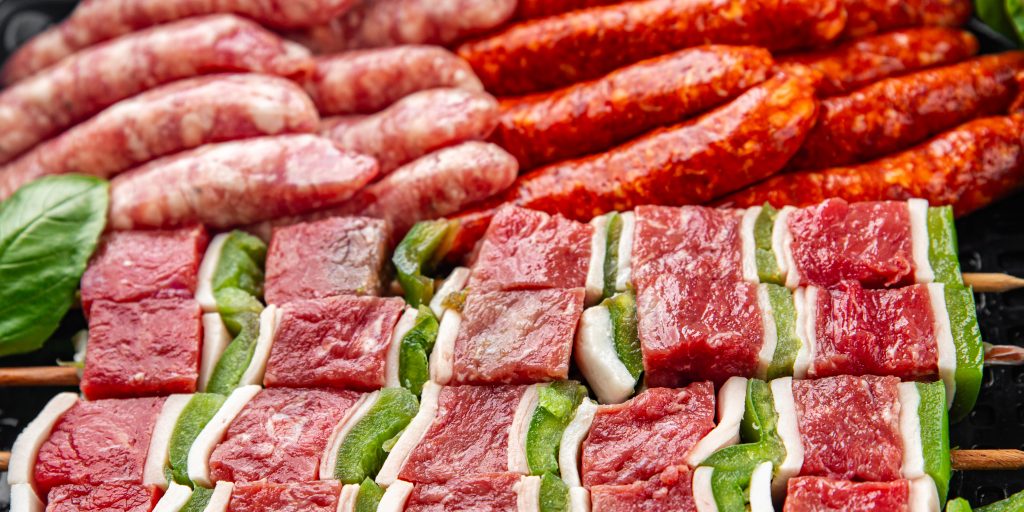
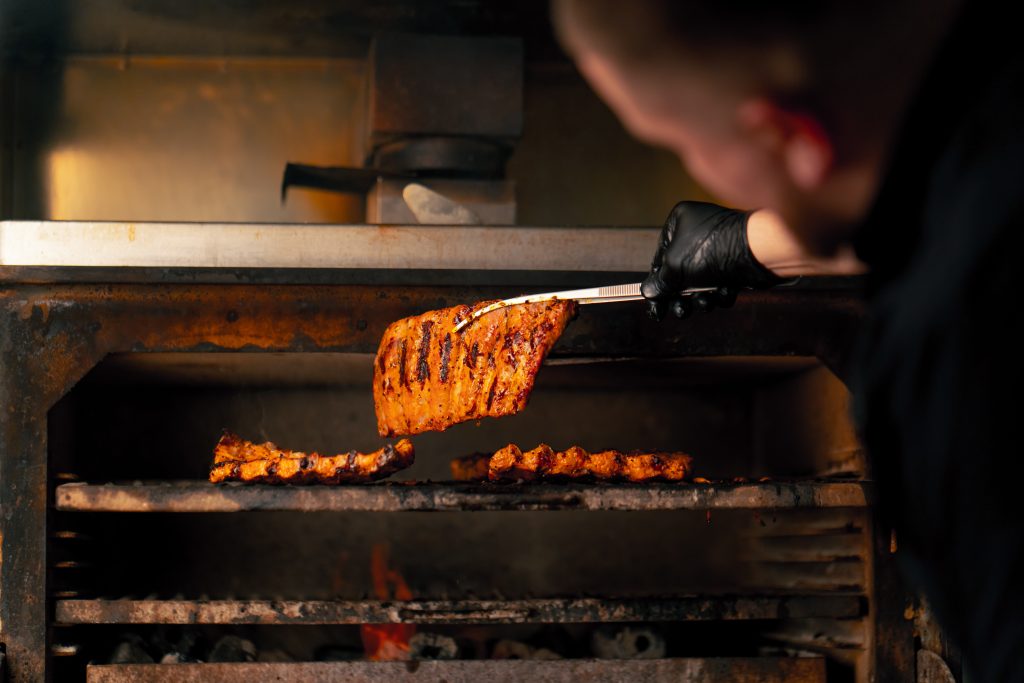
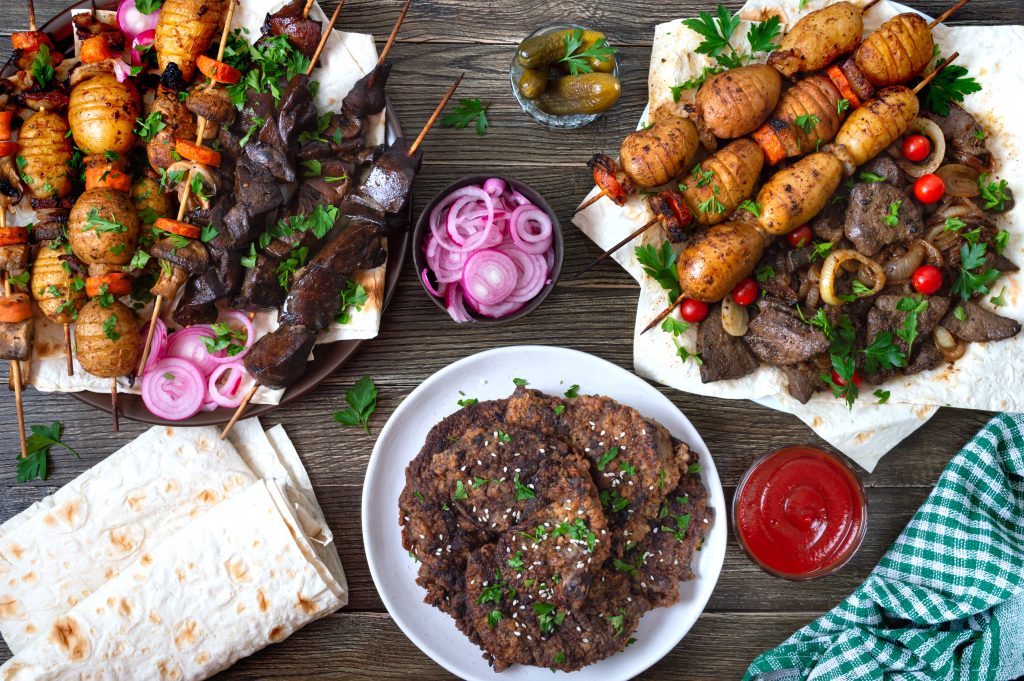
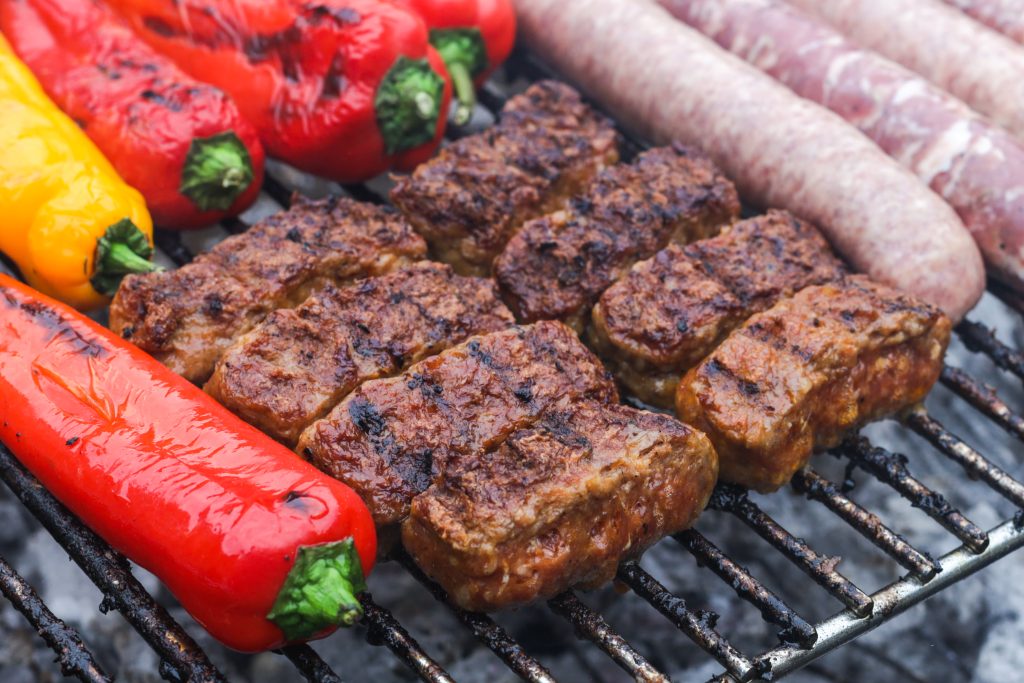
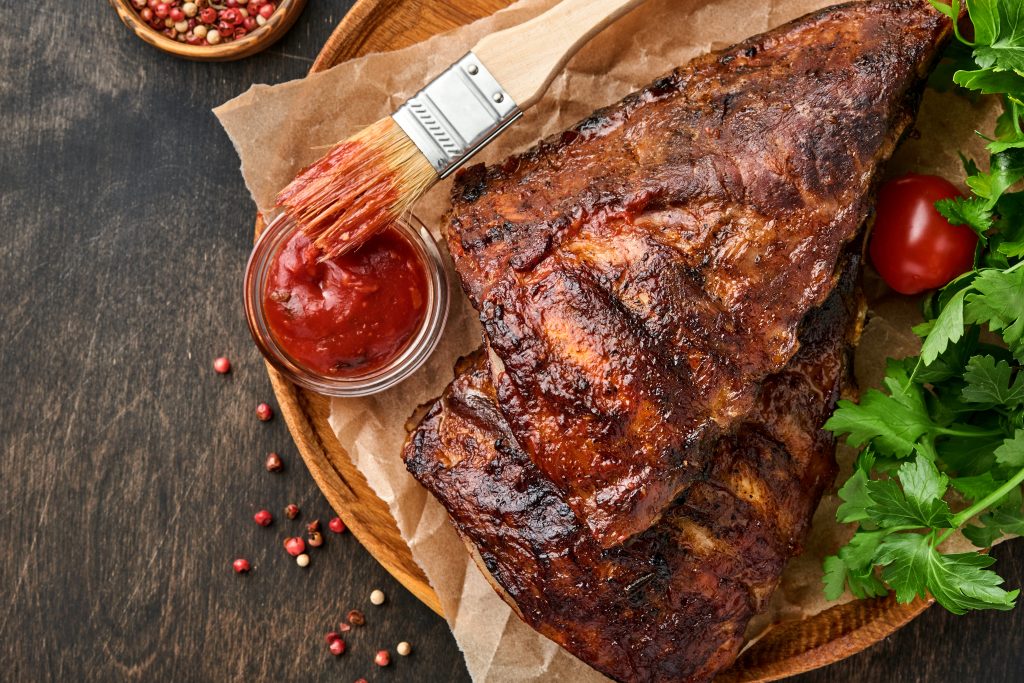
Healthy BBQ and grilling
This flexibility allows Muslims to participate fully in American food culture without compromising dietary principles.
Reduces Dependence on Ultra-Processed Foods
Because Zabiha requires ingredient awareness, families often avoid highly processed meats and packaged meals. This naturally reduces intake of:
-
Trans fats
-
Excess sodium
-
Artificial additives
Over time, this shift supports heart health, weight management, and metabolic balance.
Long-Term Sustainability
A healthy lifestyle must be sustainable. Zabiha eating is not a temporary diet—it is a lifelong practice. Its flexibility, cultural grounding, and ethical foundation make it easier to maintain than restrictive eating trends.
This sustainability is one reason Zabiha fits so well into long-term American living.
Conclusion
Zabiha fits seamlessly into a healthy American lifestyle by promoting mindful eating, clean protein intake, balanced meals, and emotional well-being. Far from being restrictive, it offers structure and clarity in a complex food environment. For Muslim families in the USA, Zabiha is not just about what is permissible—it is a foundation for living well, eating consciously, and maintaining health over time.