























How the Zabiha Market Is Growing in America


The Zabiha market in the United States is experiencing steady and sustained growth. What was once a community-dependent niche has evolved into a structured, expanding industry driven by demographics, consumer awareness, and changing food values. Understanding how the Zabiha market is growing in America highlights why Zabiha dining is becoming a permanent part of the US food landscape.
Population Growth Driving Demand
One of the strongest growth drivers is the increasing Muslim population in the USA. Younger families, second-generation Muslims, and new immigrants are all contributing to higher demand for Zabiha food.
This demographic growth creates consistent, long-term demand rather than seasonal spikes alone.
Second-Generation Consumers Changing the Market
Second- and third-generation American Muslims have different expectations than earlier generations. They seek:
-
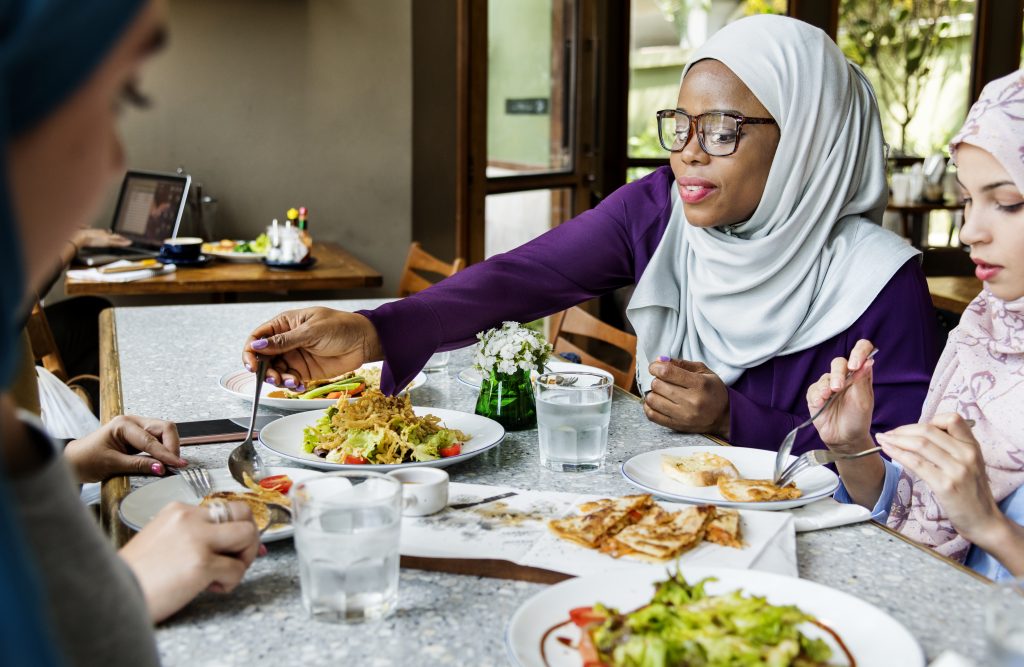
High-quality dining experiences
-
Modern branding
-
Convenient ordering
This shift pushes Zabiha restaurants to evolve beyond basic offerings and meet mainstream American standards.
Expansion of Zabiha Restaurants Nationwide
Zabiha restaurants are no longer concentrated only in major Muslim hubs. New locations are opening in:
-
Suburban commercial centers
-
College towns
-
Secondary cities
This geographic expansion reflects both demand growth and increased confidence among operators.
Entry of Zabiha Products Into Mainstream Retail
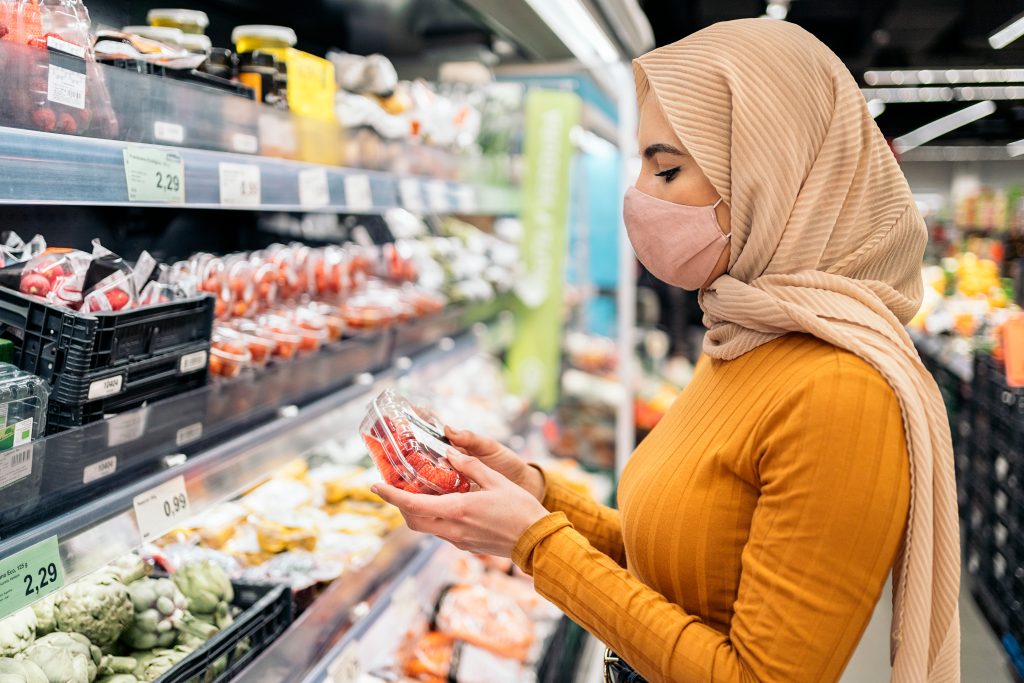
Zabiha meat and halal products are increasingly found in mainstream grocery stores. National and regional retailers now carry:
-
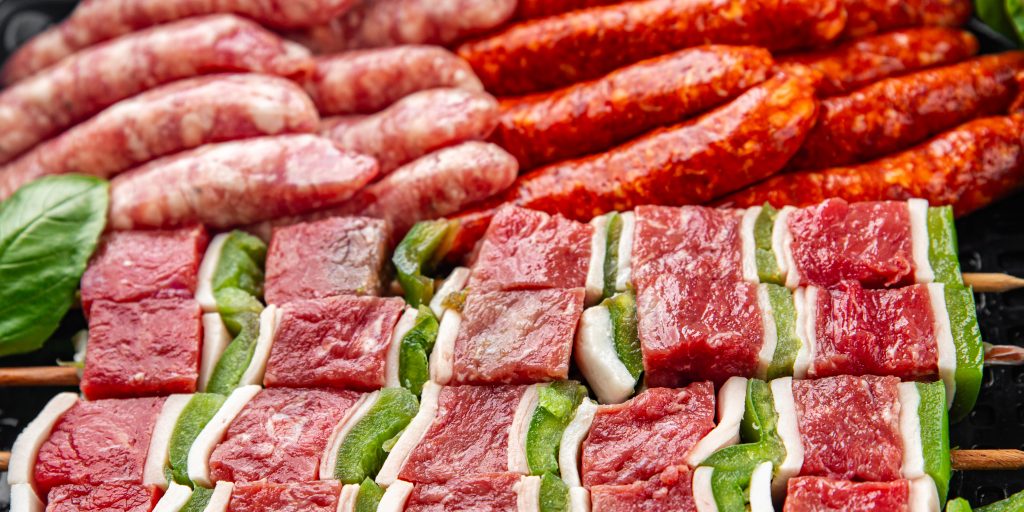
Halal-certified meat
-
Ready-to-cook Zabiha products
-
Frozen halal meals
Retail presence normalizes Zabiha food and increases accessibility beyond restaurants.
Influence of Ethical and Clean-Eating Trends
Many American consumers are drawn to Zabiha food for reasons beyond religion. Ethical slaughter, transparency, and clean handling resonate with broader food values.
This overlap expands the market beyond Muslim consumers.
Growth of Delivery and Digital Platforms
Food delivery platforms have significantly expanded Zabiha market reach. Customers can now access Zabiha meals without geographic limitations.
Online ordering also supports data-driven growth—helping restaurants optimize menus and pricing.
Increased Investment and Professionalization
As the market matures, more operators approach Zabiha dining as scalable businesses. This includes:
-
Multi-location expansion
-
Franchising models
-
Professional management structures
Investment signals confidence in long-term viability.
Strong Community Support Systems
Community loyalty remains a powerful growth factor. Muslim communities actively support trusted Zabiha businesses through:
-
Word-of-mouth
-
Community events
-
Repeat patronage
This built-in support lowers marketing costs and stabilizes demand.
Adaptation to American Dining Habits
Zabiha restaurants increasingly align with American habits—quick service, casual dining, family-friendly layouts, and late-night hours. This alignment makes Zabiha food more accessible to wider audiences.
Adaptability drives sustained growth.
Regulatory Stability Supporting Expansion
Clearer halal labeling practices and better regulatory understanding have reduced barriers to entry. While challenges remain, the environment is more navigable than in earlier years.
This stability encourages new entrants.
Challenges That Come With Growth
Growth also brings challenges:
-
Increased competition
-
Higher customer expectations
-
Greater scrutiny of compliance
Successful businesses treat these challenges as opportunities to differentiate rather than obstacles.
Why the Growth Is Sustainable
The Zabiha market’s growth is supported by demographics, values, and institutional presence. These factors suggest long-term sustainability rather than a temporary trend.
Zabiha dining is becoming embedded in American food culture.
Conclusion
The Zabiha market is growing in America through population-driven demand, changing consumer expectations, retail expansion, and increased professionalization. As Zabiha food becomes more visible and accessible, it is moving from niche to normalized. This growth reflects not only market opportunity but also cultural integration—positioning Zabiha dining as a lasting and influential segment of the US food industry.