






















Why Zabiha Certification Matters in American Restaurants


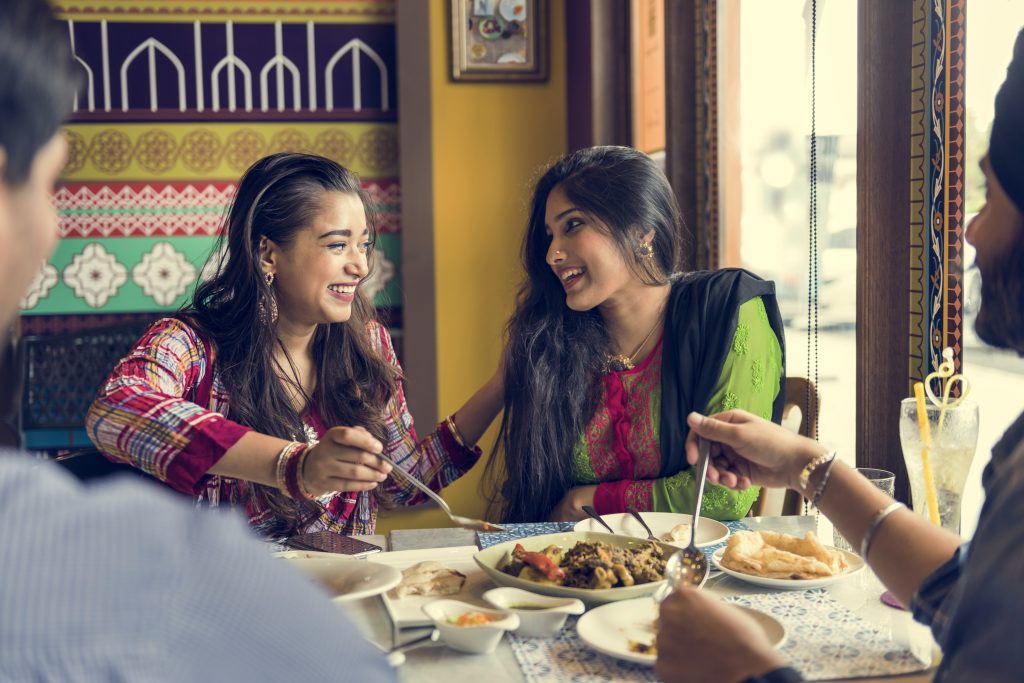
In the United States, halal dining options have grown significantly over the past decade. However, for many Muslims, simply seeing the word “halal” on a menu is no longer enough. The growing awareness around Islamic dietary laws has made Zabiha certification an essential factor when choosing where to eat. For American restaurants serving Muslim customers, Zabiha certification is not just a label—it is a matter of trust, transparency, and religious responsibility.
Understanding Zabiha Certification
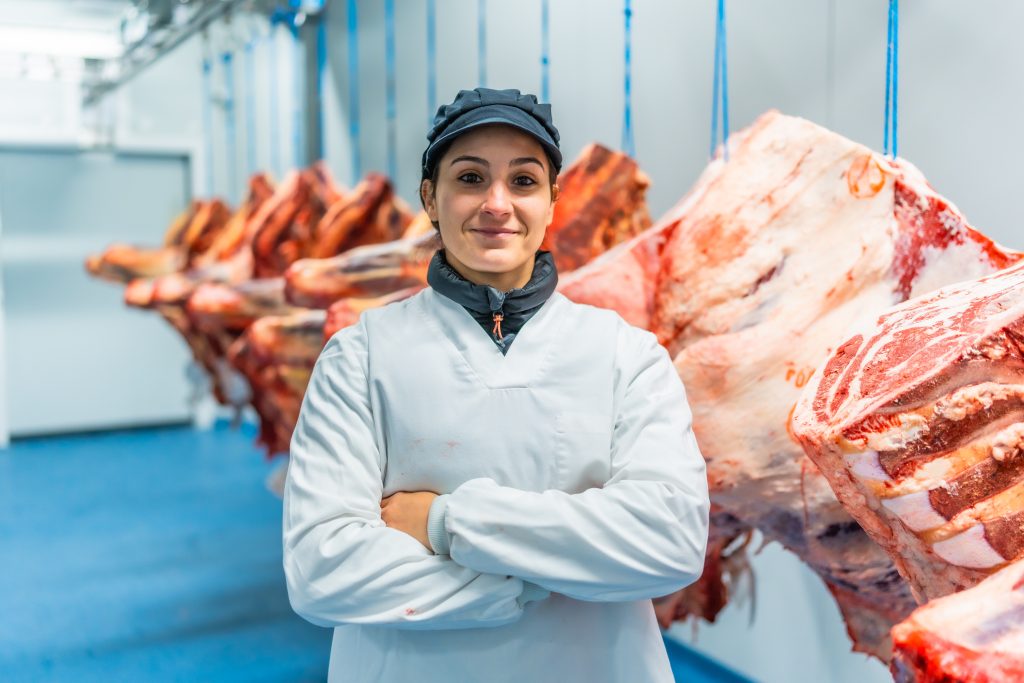
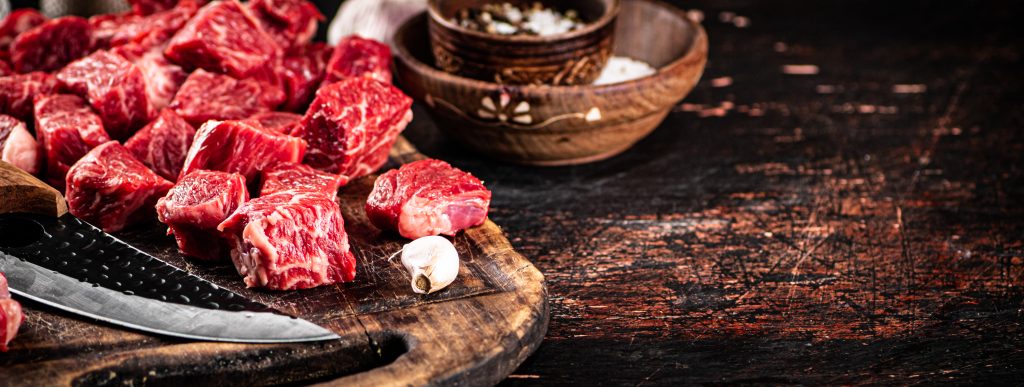
Zabiha certification confirms that meat served by a restaurant is slaughtered according to Islamic principles. This includes proper invocation of Allah’s name at the time of slaughter, humane handling of the animal, and complete drainage of blood. Certification is typically provided by recognized halal authorities or trusted community organizations that audit suppliers and processes.
In the American food industry, where sourcing often involves multiple vendors and large-scale distributors, certification helps verify that Zabiha standards are consistently maintained from slaughterhouse to plate.
The Problem with Unverified “Halal” Claims
One of the biggest challenges Muslims face in the USA is unclear labeling. Many restaurants advertise “halal meat” without specifying whether it is Zabiha. Some use machine-slaughtered meat or rely on suppliers that follow looser interpretations of halal. While these practices may technically qualify as halal under certain standards, they do not meet Zabiha requirements followed by a large segment of the Muslim community.
Without certification, customers are forced to rely solely on verbal assurances. This creates uncertainty and can lead to unintentional non-compliance with religious beliefs.
Building Trust with Muslim Customers
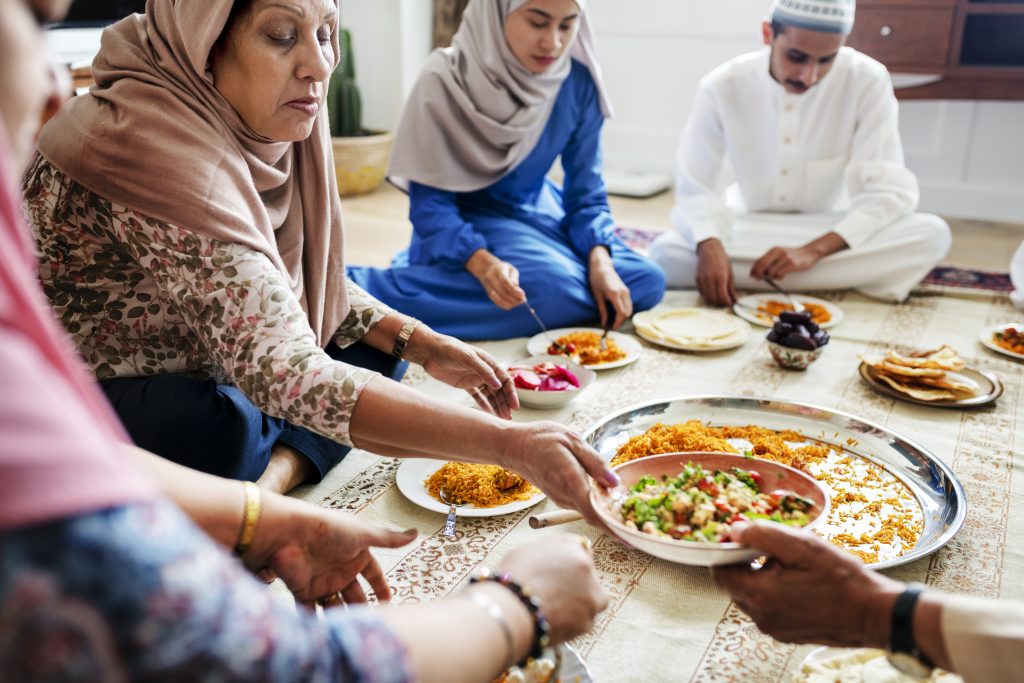
Zabiha certification plays a critical role in building trust. Muslim diners want confidence that their food aligns with their faith, especially in a non-Muslim-majority country like the United States. Certified restaurants demonstrate accountability and respect for religious values.
When a restaurant displays a recognized Zabiha certificate, it reassures customers that proper checks are in place. This trust often translates into repeat business, positive word-of-mouth, and strong community loyalty.
Certification as a Competitive Advantage
From a business perspective, Zabiha certification is also a strategic advantage. In cities with large Muslim populations, diners actively seek out restaurants that clearly advertise “100% Zabiha halal.” Certified establishments often stand out in search results, halal directories, and food apps.
Many restaurant owners report that certification attracts not only Muslim customers but also non-Muslims who associate Zabiha with ethical slaughter, cleanliness, and higher-quality meat. This broader appeal makes certification a smart investment rather than an added burden.
Accountability and Consistency
Certification introduces a level of accountability that informal claims cannot provide. Certified restaurants are expected to maintain consistent sourcing, proper storage, and clear separation from non-Zabiha products. Regular audits help ensure that standards do not slip over time.
This consistency is especially important in American restaurant environments where staff turnover is high and supply chains can change frequently. Certification creates a structured system that protects both the business and its customers.
Addressing Community Concerns and Doubts
Within the Muslim community, debates around halal and Zabiha can be sensitive. Restaurants that lack certification often face skepticism or public questioning. Certification helps prevent misunderstandings and reduces conflict by providing clear, verifiable proof of compliance.
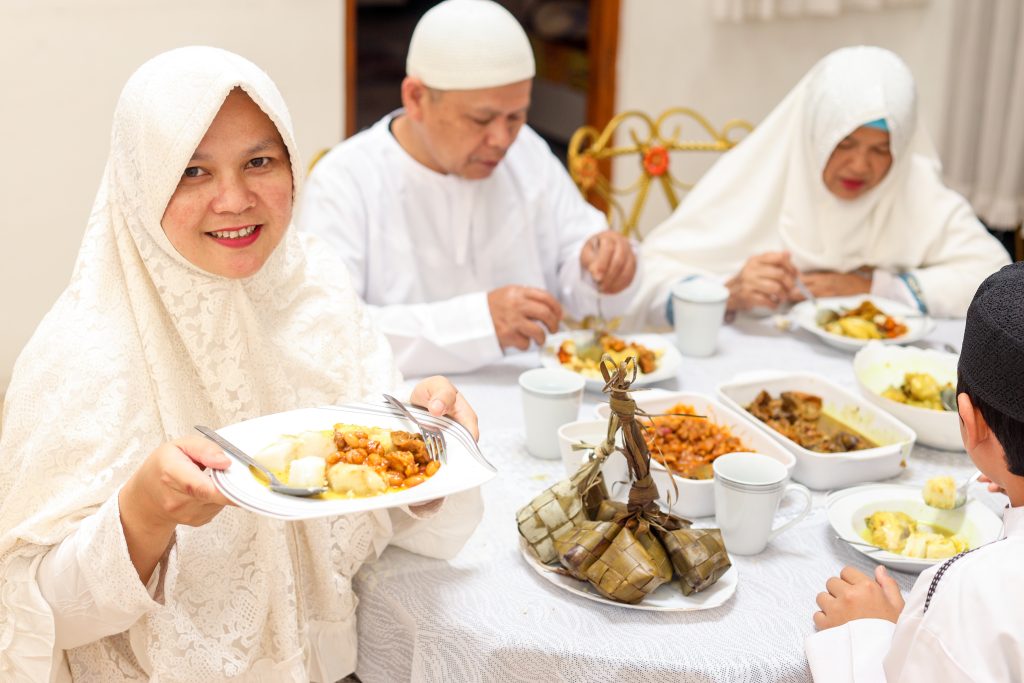
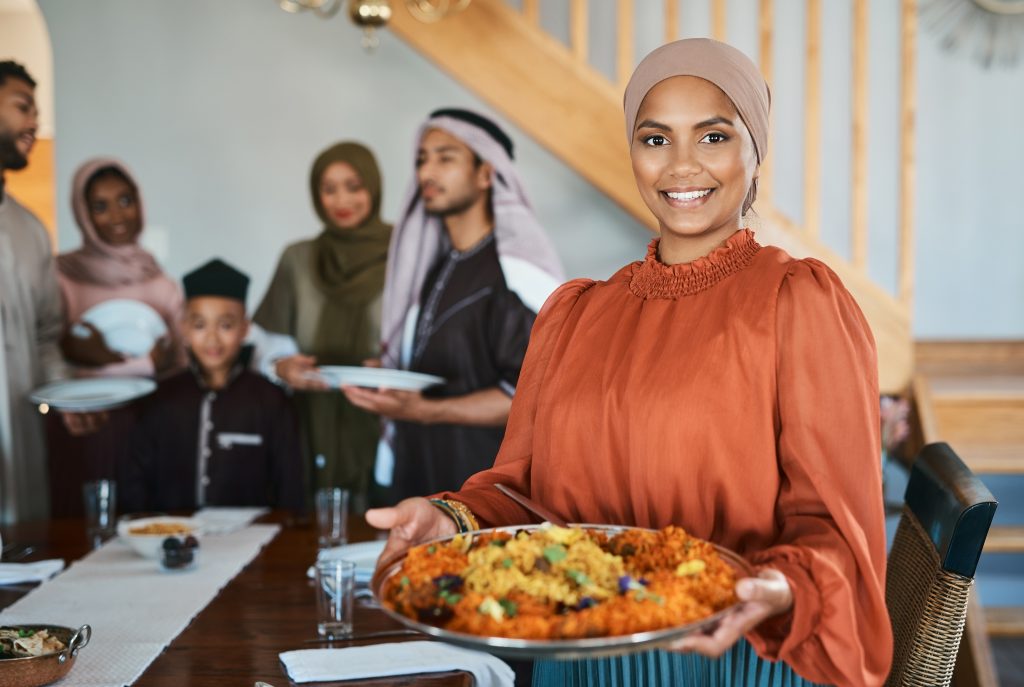
For many Muslims, eating outside the home is already a careful decision. Zabiha certification removes doubt and allows families to dine with peace of mind.
Encouraging Industry Standards
As more restaurants pursue Zabiha certification, it encourages higher standards across the halal food industry in the USA. Suppliers are pushed to improve practices, certifying bodies become more transparent, and consumers become better informed. This collective progress benefits the entire community.
Conclusion
Zabiha certification matters in American restaurants because it ensures religious compliance, builds trust, and promotes transparency. In a diverse and complex food landscape, certification provides clarity for Muslim consumers and credibility for businesses. As awareness continues to grow, Zabiha certification is becoming not just important—but essential—for restaurants that genuinely serve the Muslim community.