
















Clean Eating Tips Using Zabiha Meat in the USA

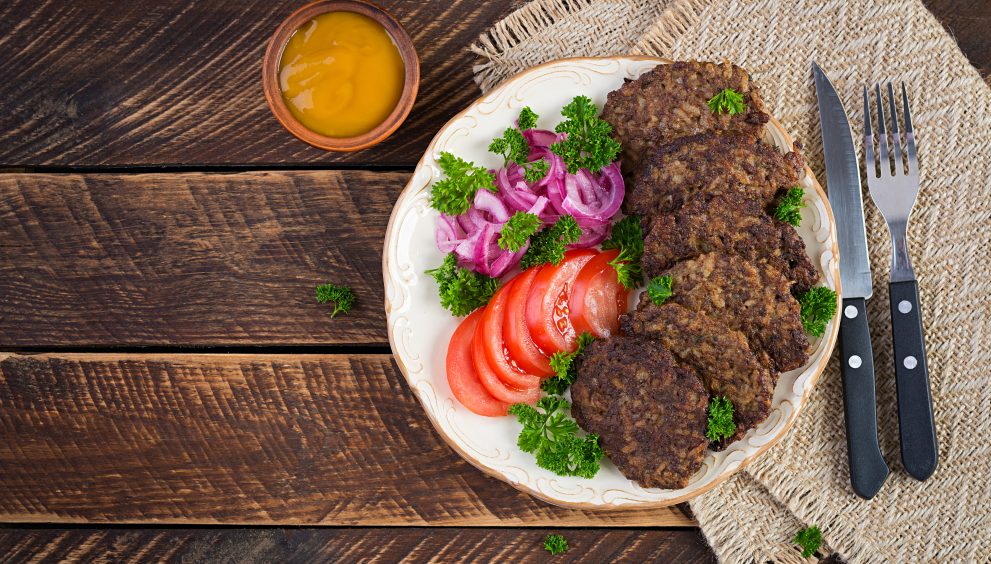
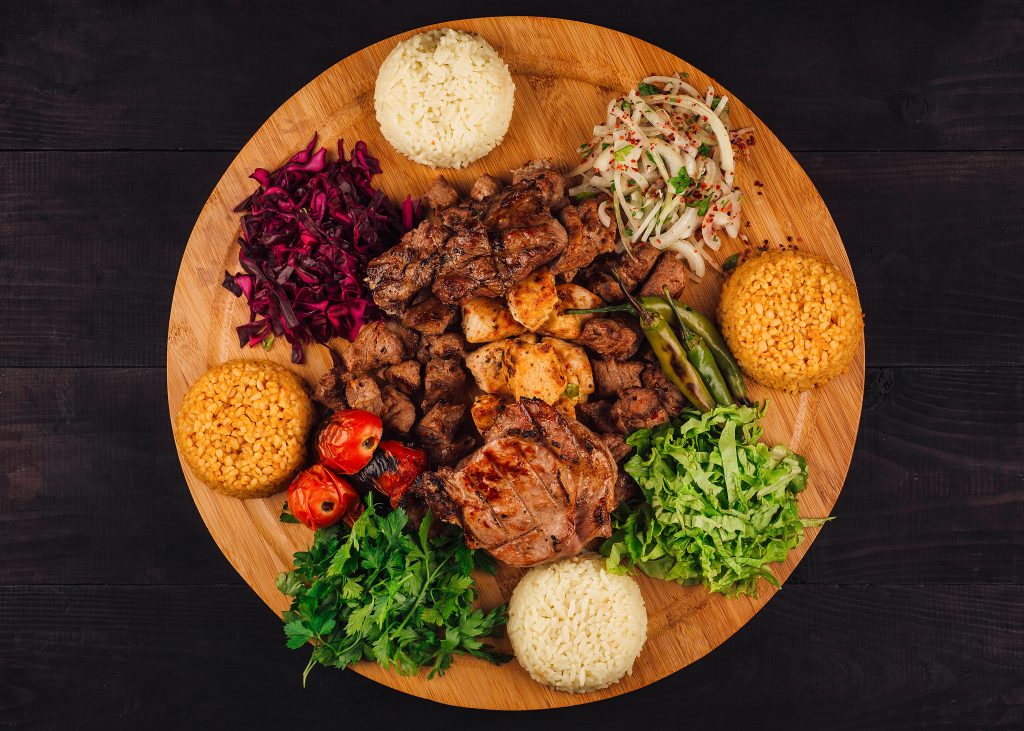
Clean eating has become a major lifestyle shift in the United States. Americans are paying closer attention to ingredient lists, food sourcing, and how meals are prepared. For Muslim families, Zabiha meat fits naturally into this movement, offering a clean, ethical protein source that aligns with both faith and modern nutrition goals. When used intentionally, Zabiha meat can form the foundation of a truly clean American diet.
What Clean Eating Means in the US Context
Clean eating in the USA generally focuses on:
-
Whole, minimally processed foods
-
Transparent sourcing
-
Fewer additives and preservatives
-
Balanced meals with quality protein
It is not about restriction or extreme dieting, but about making informed, mindful food choices. Zabiha meat supports these principles when paired with thoughtful shopping and cooking habits.
Choose Trusted Zabiha Sources First
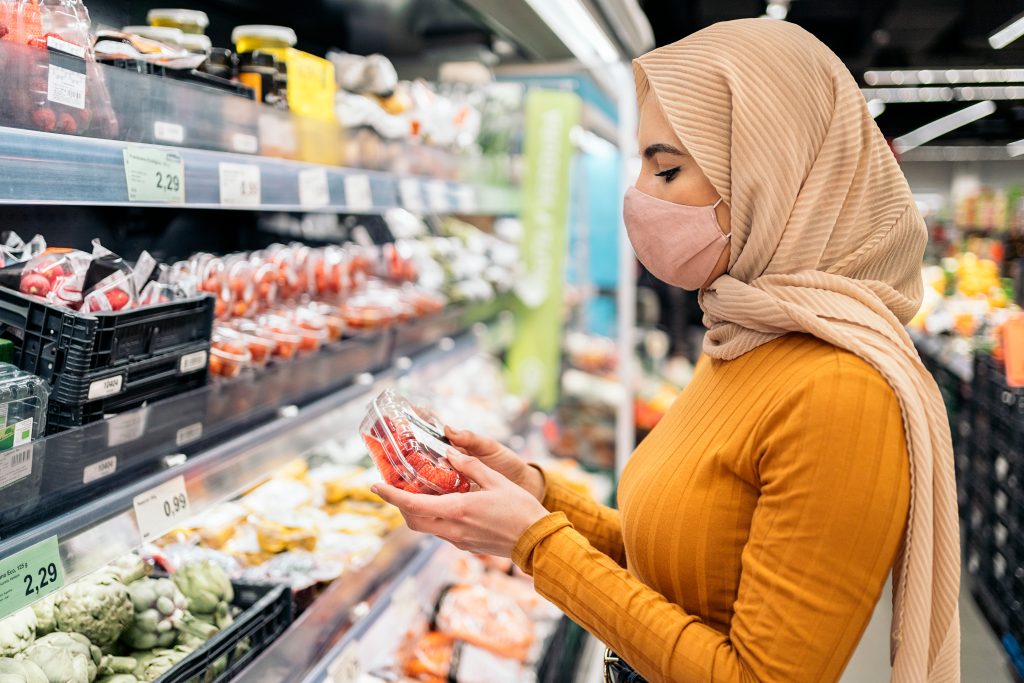
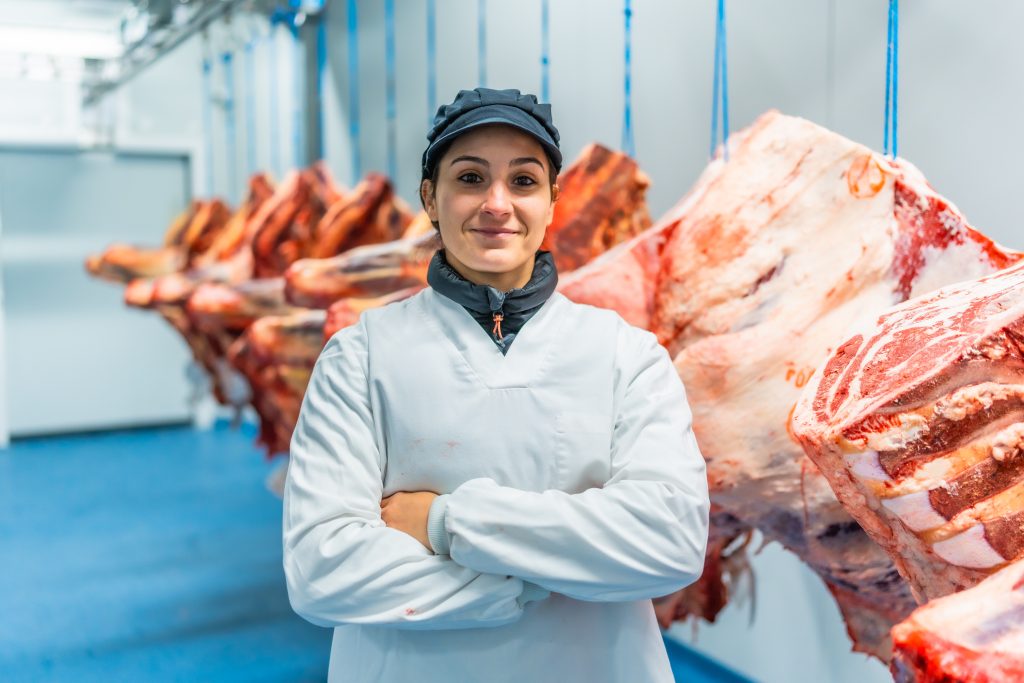
Clean eating starts before cooking. In the US, not all halal meat is equal in quality. For clean eating, it is important to buy Zabiha meat from reputable halal butchers or certified suppliers who prioritize freshness and proper handling.
Look for signs of quality such as:
-
Clear sourcing information
-
Fresh cuts rather than heavily processed items
-
Proper refrigeration and storage
Whenever possible, ask questions. Clean eating values transparency, and trustworthy Zabiha sellers are usually happy to explain their sourcing.
Favor Whole Cuts Over Processed Meats
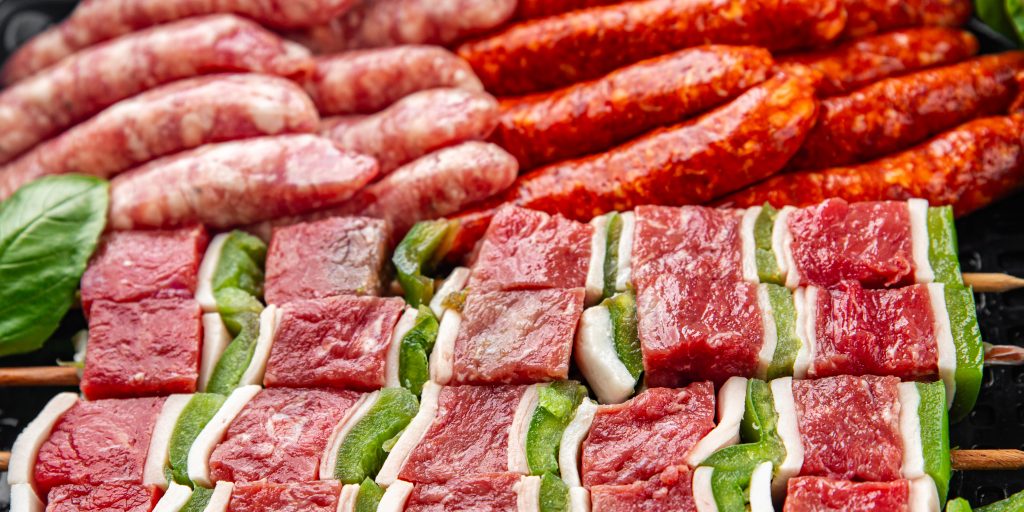
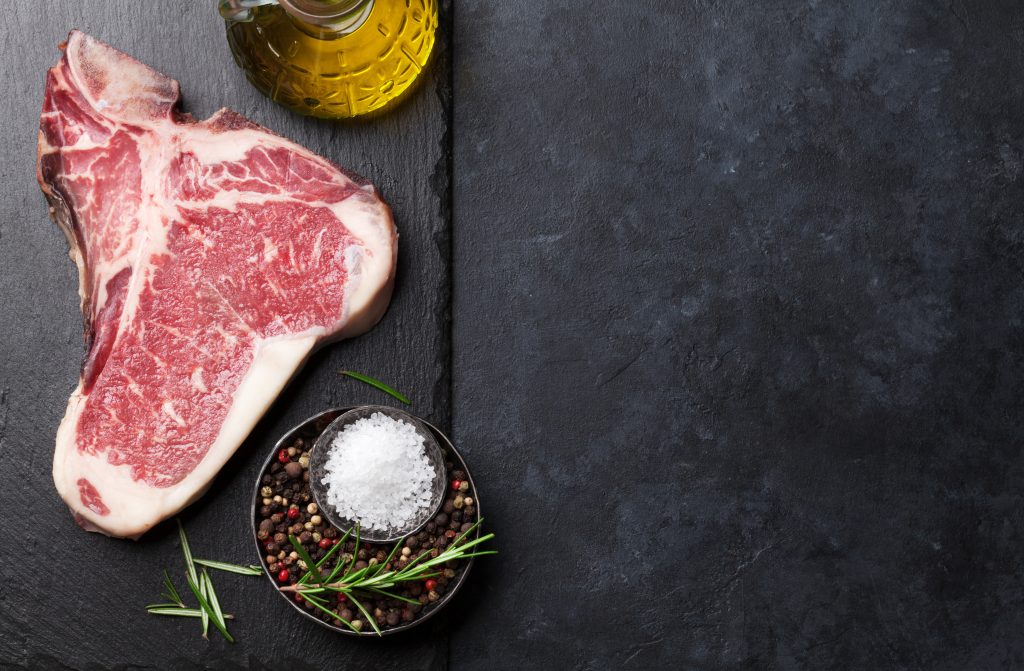
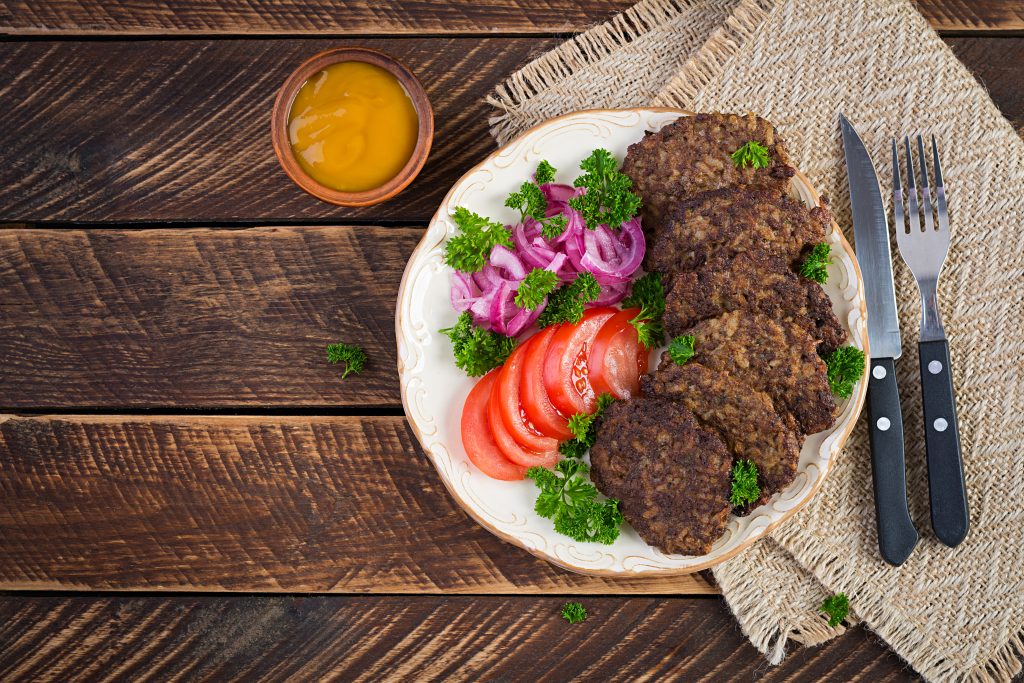
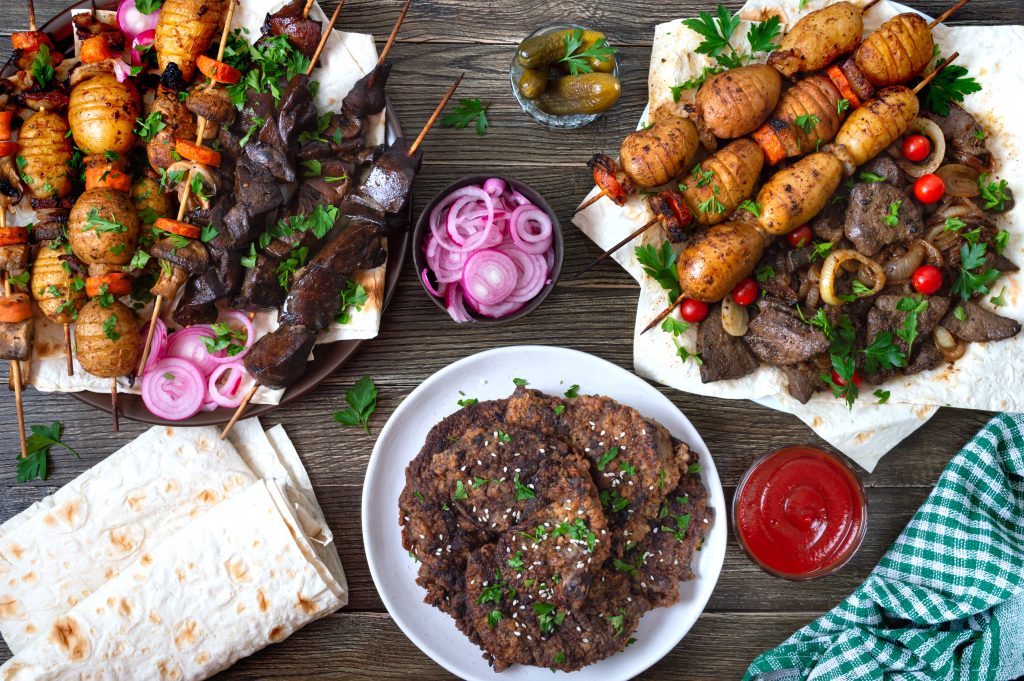
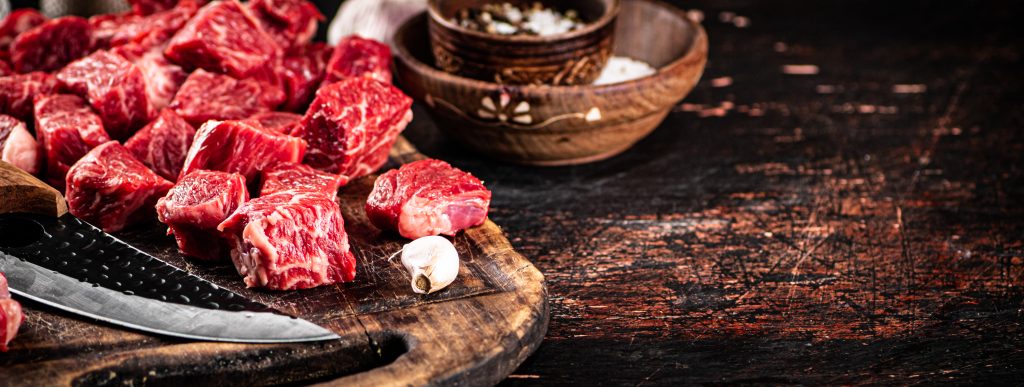
One of the easiest clean eating tips is to prioritize whole cuts of Zabiha meat instead of processed options. Whole chicken, fresh beef cuts, lamb chops, and ground meat you can season yourself are far better than pre-marinated or heavily seasoned products.
Processed meats often contain:
-
Excess sodium
-
Preservatives
-
Artificial flavor enhancers
By choosing whole cuts, you stay in control of ingredients and nutritional quality.
Use Simple, Clean Cooking Methods
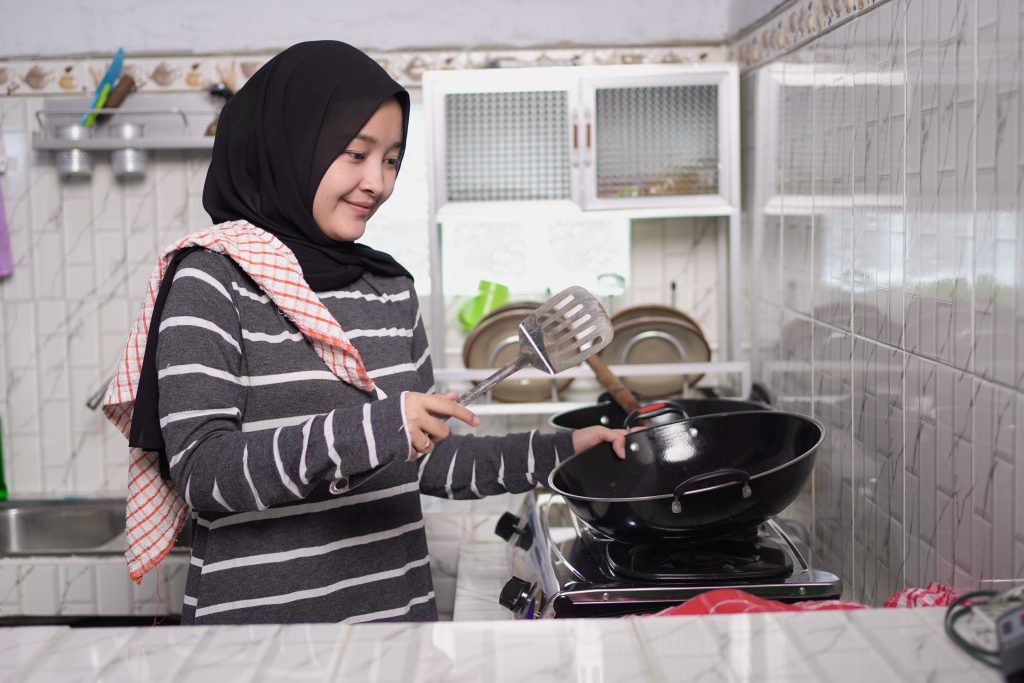
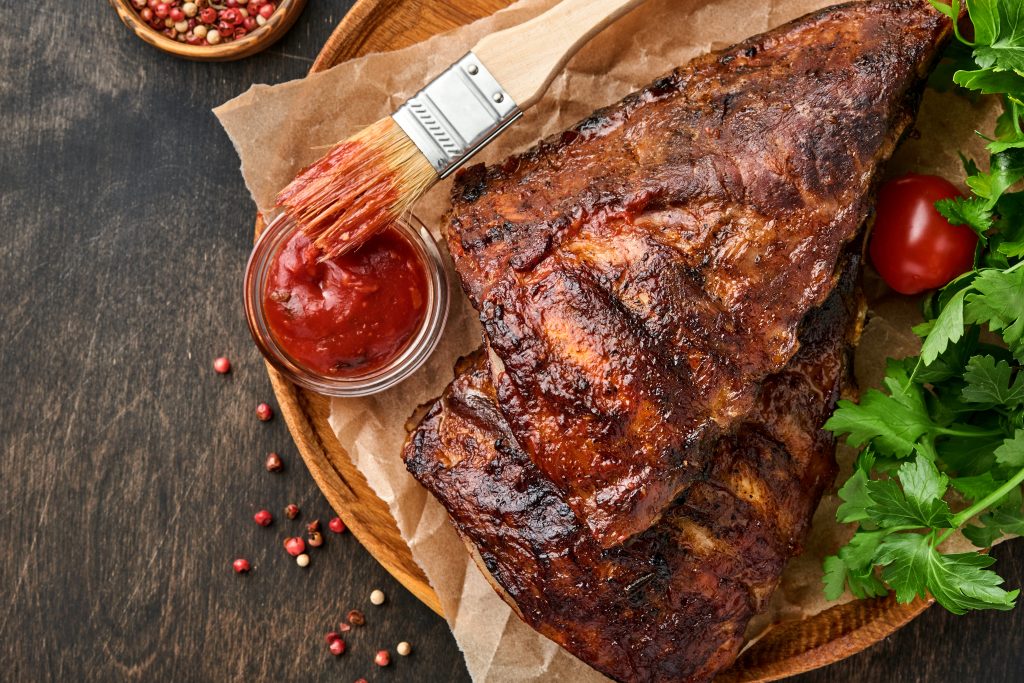
How you cook Zabiha meat matters just as much as where it comes from. Clean eating favors cooking methods that preserve nutrients and avoid unnecessary fats.
Best clean cooking methods include:
-
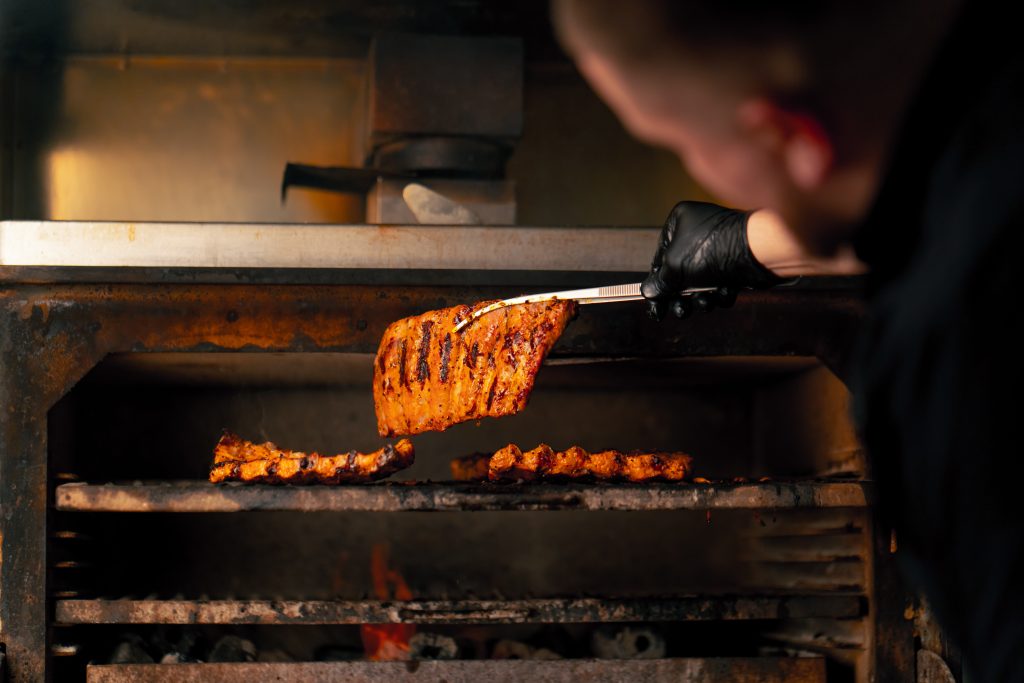
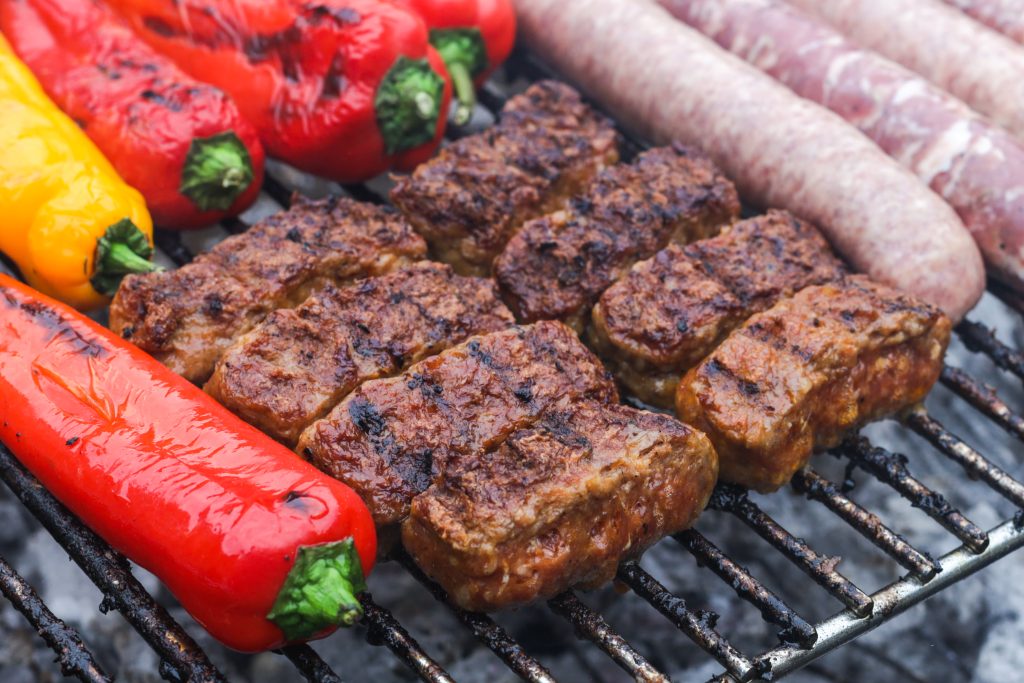
Grilling
-
Baking
-
Roasting
-
Pan-searing with minimal oil
Avoid deep frying or overcooking, which can reduce nutritional value and add excess calories. In American kitchens, air fryers and cast-iron pans are popular tools for clean preparation.
Balance Zabiha Meat With Whole Foods
Clean eating is not about eating meat alone. Zabiha meat should be paired with:
-
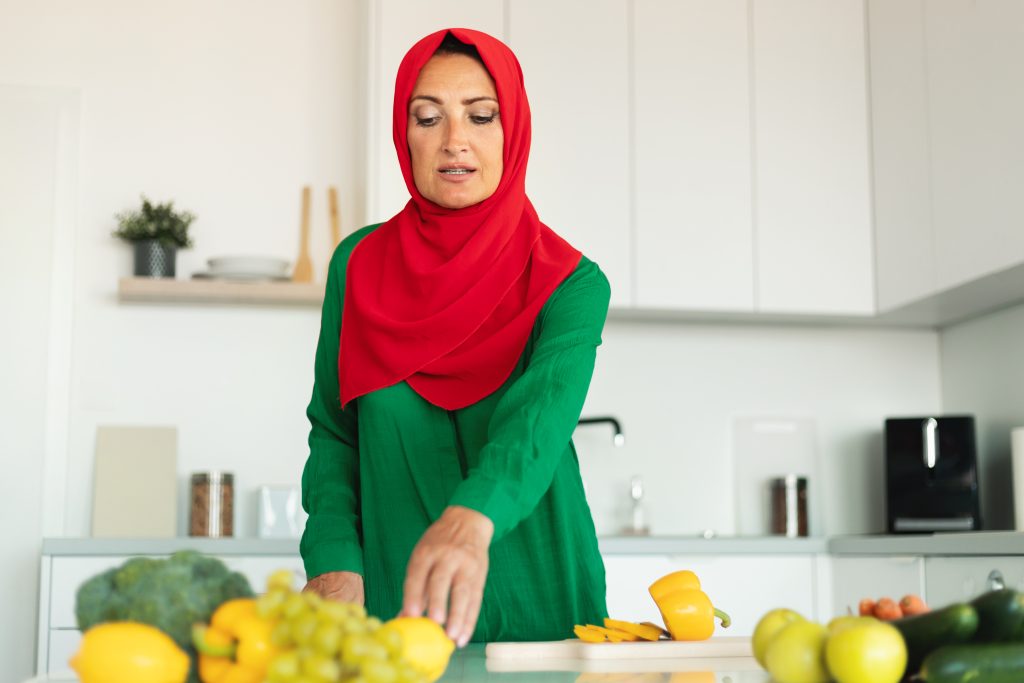
Vegetables (fresh or lightly cooked)
-
Whole grains like brown rice or quinoa
-
Healthy fats such as olive oil or avocado
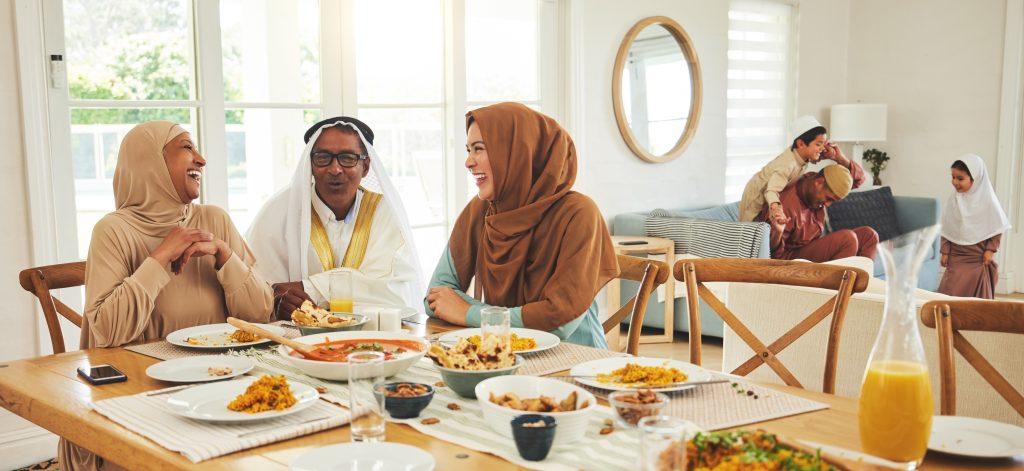
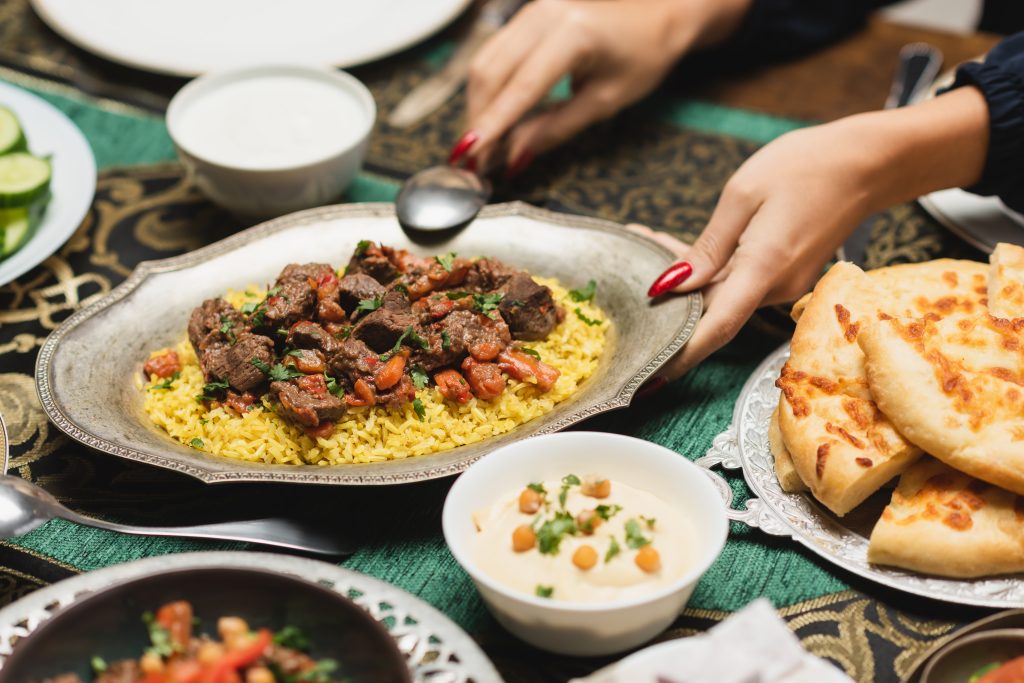
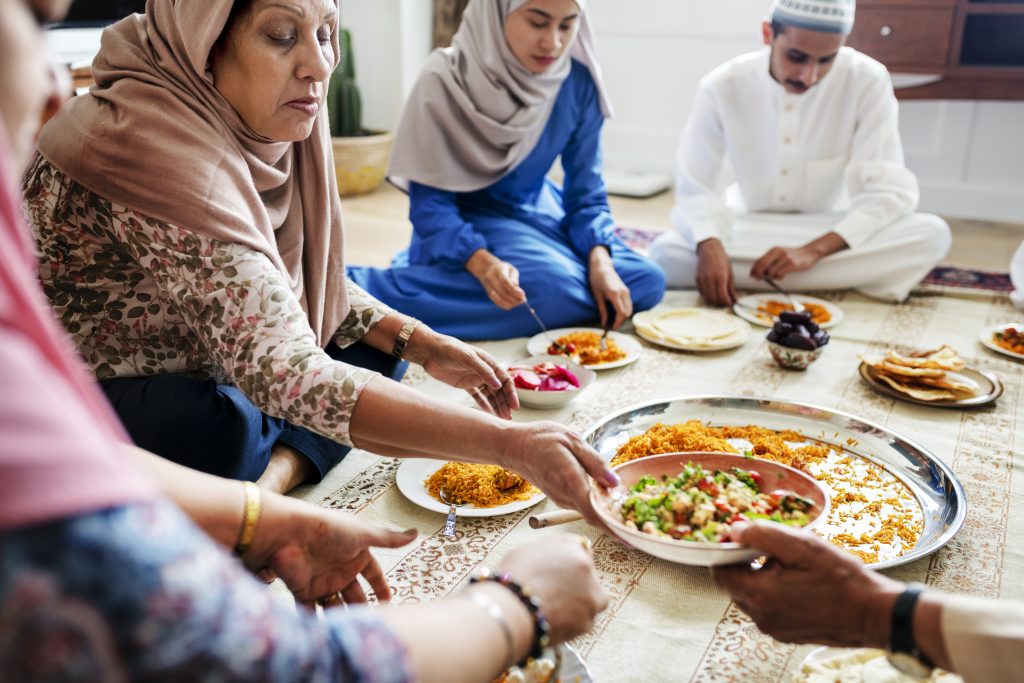
Traditional Muslim meals already reflect this balance, making it easy for families to adapt cultural dishes into clean-eating versions without losing flavor.
Control Portions Without Eliminating Protein
Clean eating does not mean eliminating meat—it means moderation. In the USA, portion sizes are often larger than necessary. A clean approach focuses on reasonable servings of Zabiha meat, complemented by fiber-rich foods.
This helps:
-
Improve digestion
-
Support weight management
-
Reduce overconsumption
Portion awareness is especially important for busy families and professionals who eat on tight schedules.
Reduce Sugar and Heavy Sauces
Many restaurant-style Zabiha meals in the USA rely on heavy sauces, creams, or added sugars. For clean eating at home, minimize store-bought sauces and instead use:
-
Fresh herbs
-
Spices
-
Lemon, garlic, and vinegar
-
Yogurt-based marinades
These add flavor without compromising nutritional quality and align well with traditional Zabiha cooking styles.
Meal Prep With Zabiha Meat for Busy Weeks
Clean eating becomes easier with planning. Meal prepping Zabiha meat once or twice a week helps American families avoid last-minute processed food choices.
Simple meal prep ideas include:
-
Grilled chicken portions for salads and bowls
-
Roasted beef or lamb for wraps
-
Ground Zabiha meat cooked plainly and seasoned per meal
This approach supports consistency and saves time during busy workweeks.
Avoid Over-Reliance on Restaurant Meals
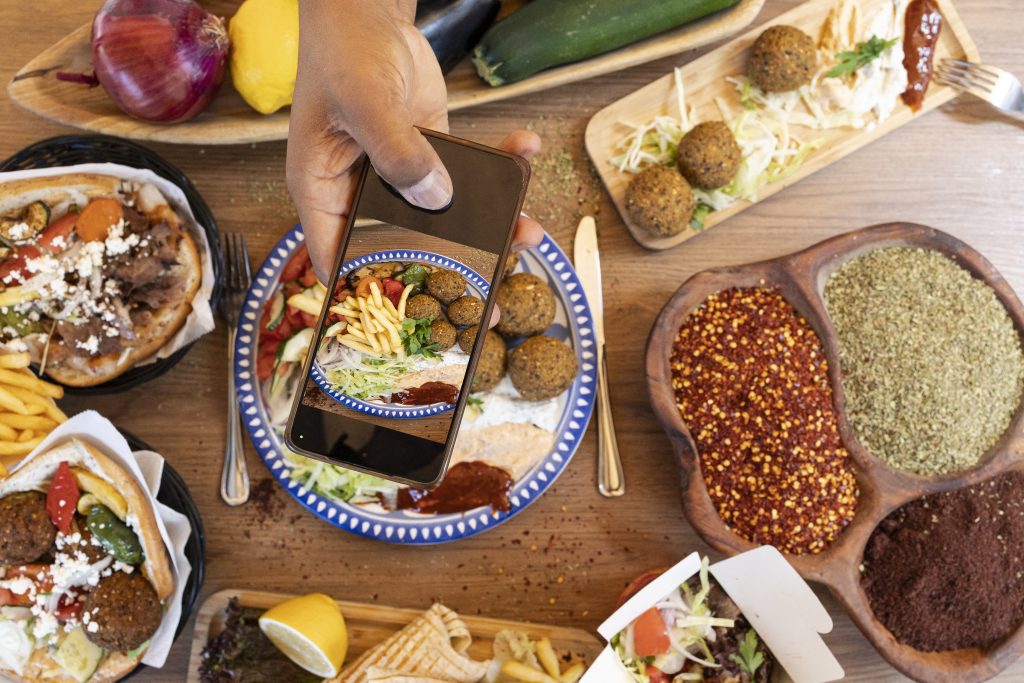
While Zabiha restaurants in the USA are valuable, clean eating is harder to maintain when dining out frequently. Restaurant meals often contain more oil, salt, and calories than home-cooked food.
A balanced approach is best:
-
Cook clean meals at home most days
-
Treat restaurant dining as occasional
This keeps both health and lifestyle sustainable.
Teach Clean Eating as a Family Habit
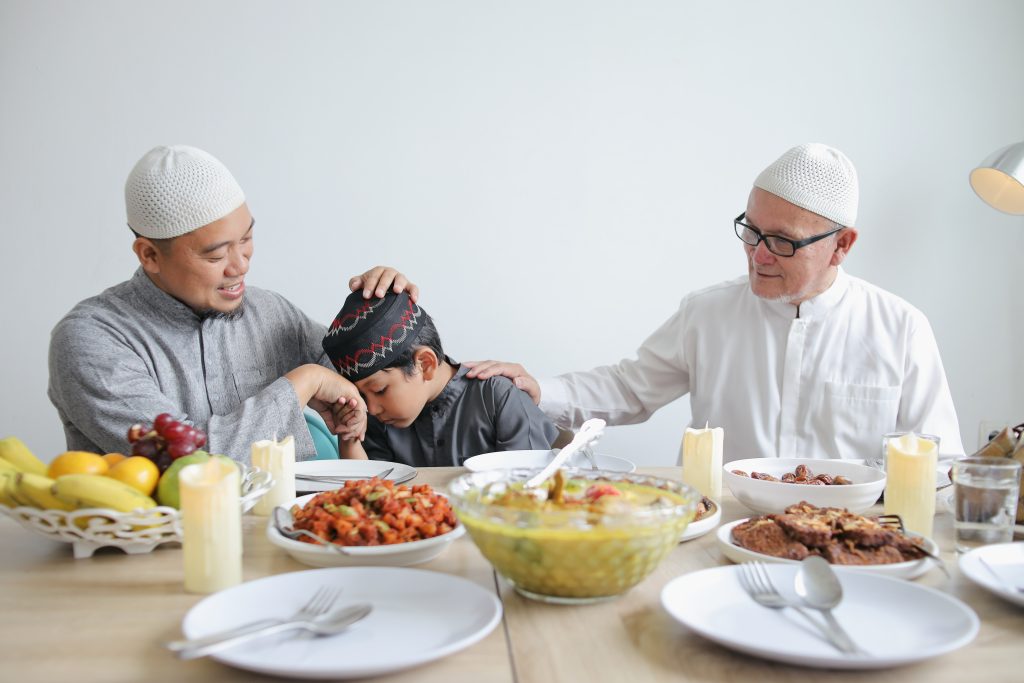
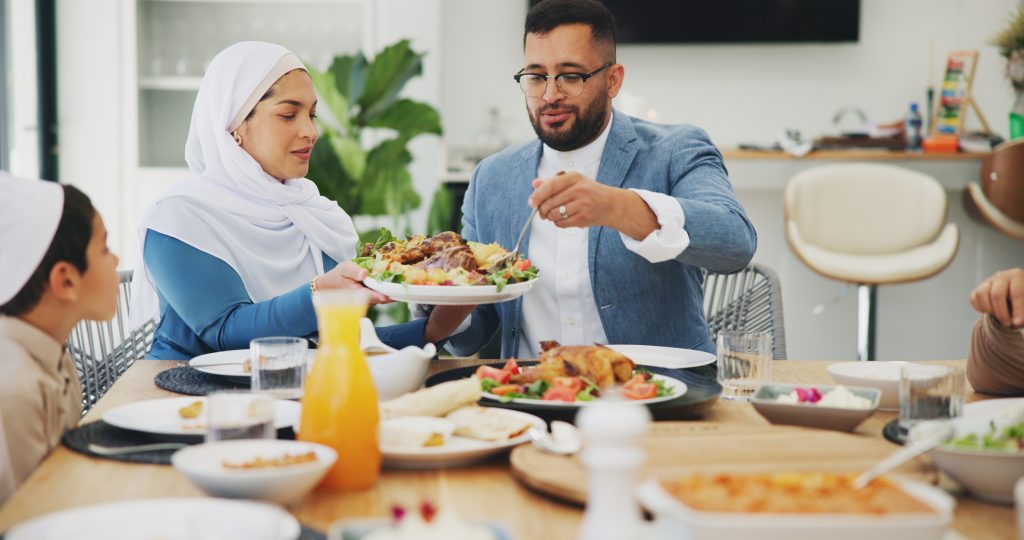
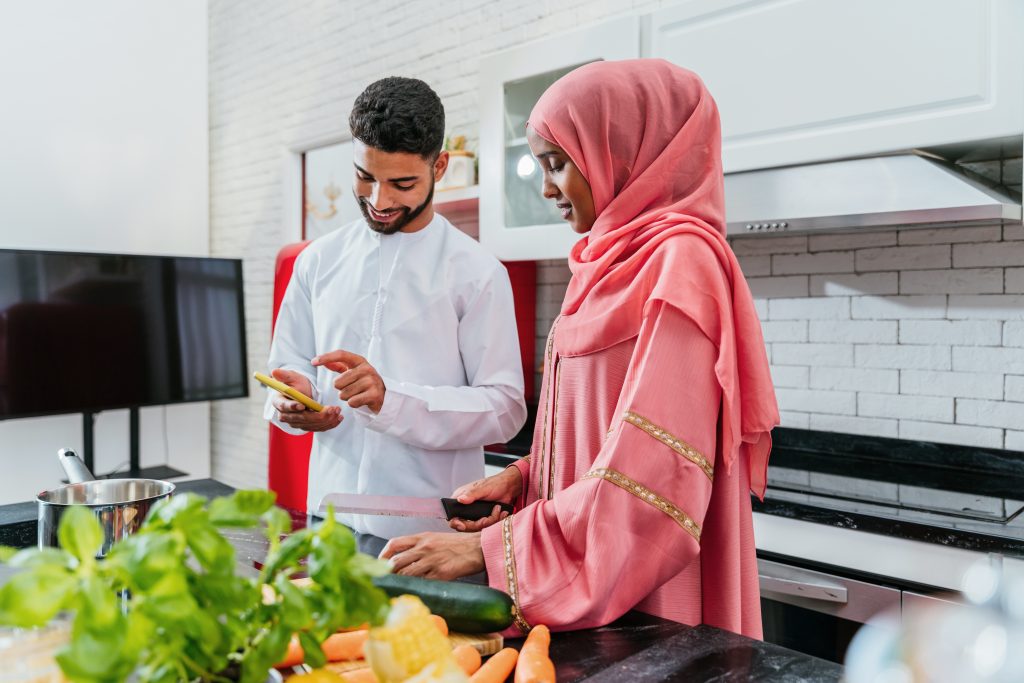
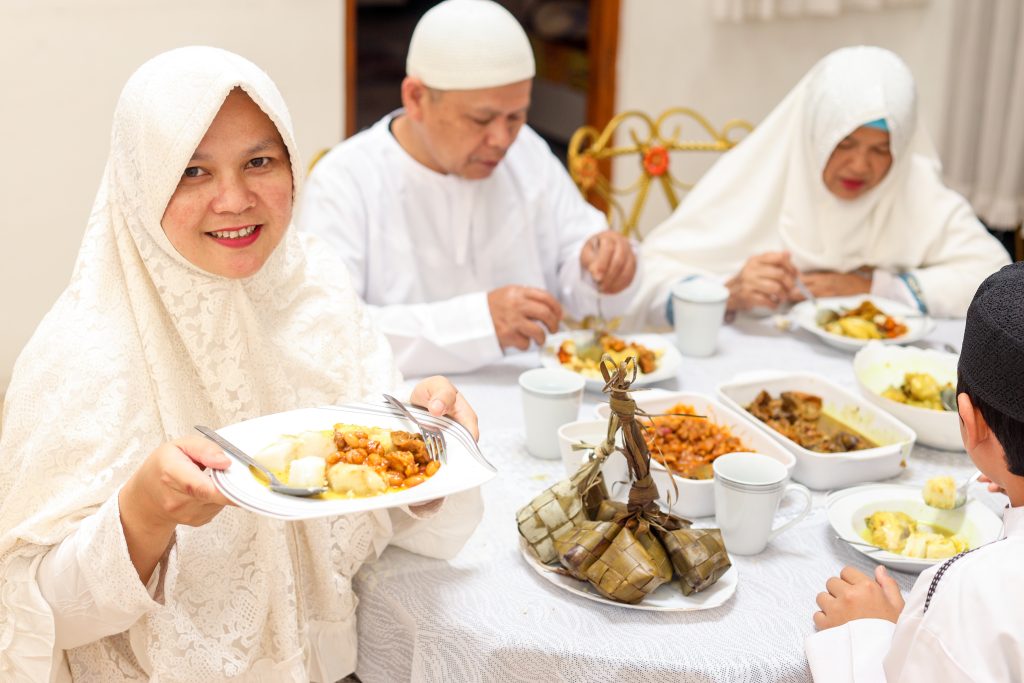
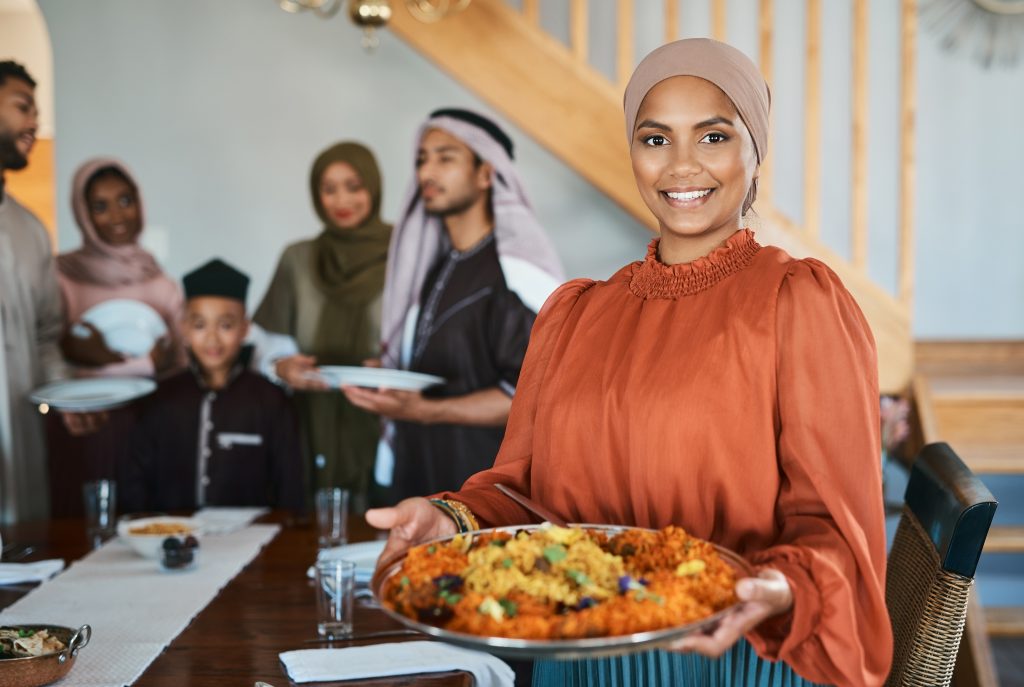
For American Muslim families, clean eating with Zabiha food is also about education. Involving children in shopping, cooking, and meal planning builds awareness and healthy habits early.
When kids understand where food comes from and why Zabiha matters, clean eating becomes part of family culture rather than a temporary trend.
Why Zabiha Fits Naturally Into Clean Eating
Zabiha emphasizes intentionality, ethics, and cleanliness—values that align perfectly with clean eating principles. When combined with mindful cooking and balanced meals, Zabiha meat supports long-term wellness without sacrificing cultural or religious identity.
Conclusion
Clean eating using Zabiha meat in the USA is both practical and sustainable. By choosing trusted sources, cooking simply, balancing meals, and planning ahead, Muslim families can align faith-based food choices with modern health goals. Zabiha meat, when used intentionally, becomes more than a dietary requirement—it becomes a foundation for a clean, conscious American lifestyle.