











Are Halal and Zabiha the Same in American Restaurants?

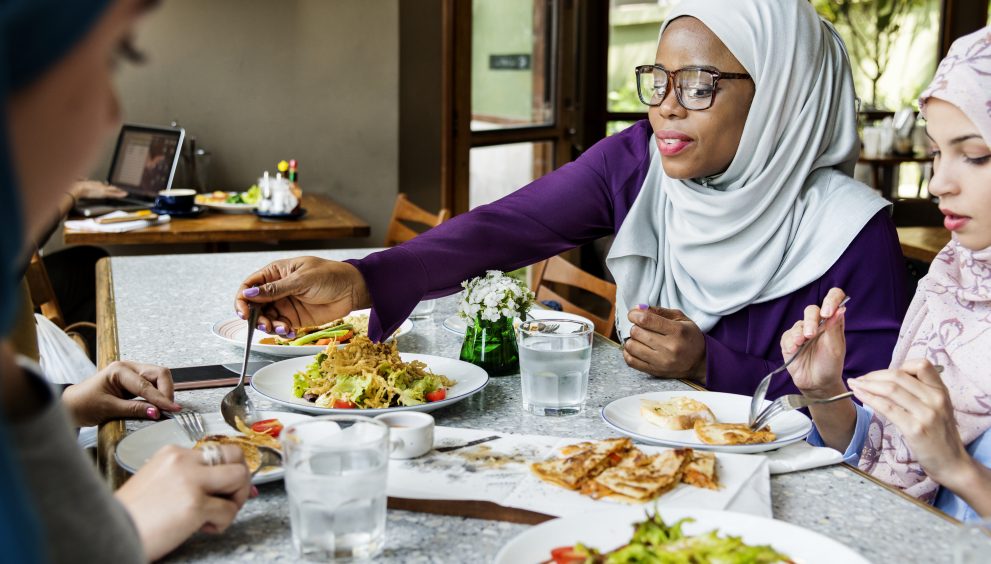
In the United States, Muslim diners frequently encounter restaurants that label themselves as “halal.” While this label may offer reassurance, it often raises an important question: are halal and Zabiha actually the same in American restaurants? The short answer is no. Although closely related, halal and Zabiha represent different levels of compliance, and the distinction becomes especially important in the US food industry.
Defining Halal in the Restaurant Industry
Halal, meaning permissible under Islamic law, is a broad concept. In American restaurants, halal typically refers to food that avoids pork, alcohol, and other prohibited ingredients. Many halal-certified suppliers focus primarily on ingredient screening rather than the slaughter process itself.
As a result, halal meat served in restaurants may meet basic Islamic dietary requirements but may not necessarily follow the strict Zabiha slaughter method that many Muslims consider essential.
What Makes Zabiha Different?
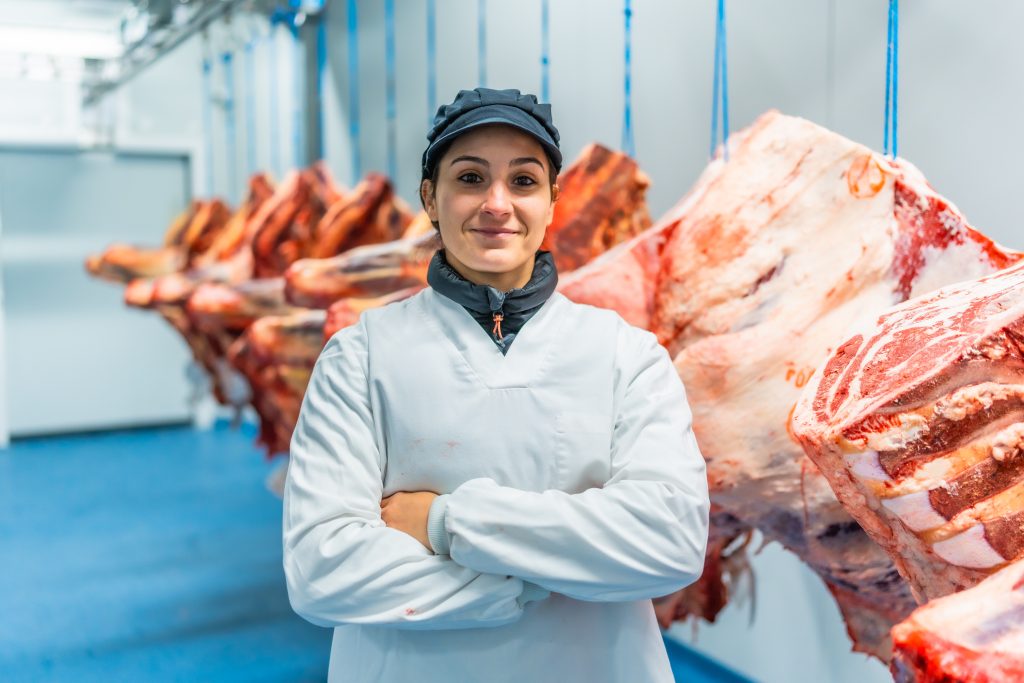
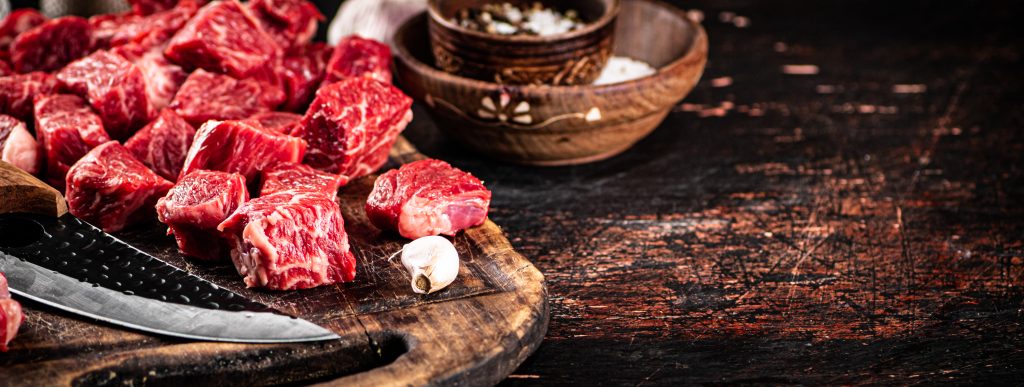
Zabiha specifically refers to the Islamic method of slaughter. It requires that the animal be slaughtered by a Muslim, that the name of Allah be pronounced at the time of slaughter, and that the blood be fully drained. These steps are central to the Zabiha process and are not always required by general halal certifications in the USA.
Because American meat production is largely industrialized, some halal suppliers use machine slaughter or batch prayers. While some scholars accept these methods, others do not, which is why many Muslims insist on Zabiha meat.
How Restaurants Use the Term “Halal”
In practice, many American restaurants use the term halal as a marketing label rather than a technical description. Some restaurants serve halal-certified chicken but non-Zabiha beef. Others rely on suppliers that meet minimal halal standards without detailed oversight.
This inconsistency creates confusion for customers who assume halal automatically means Zabiha. Without clear disclosure, diners are left to guess whether a restaurant meets their personal religious requirements.
Lack of Standardization in the USA
Unlike kosher certification, halal certification in the United States lacks a single governing authority. Multiple certifying bodies exist, each with its own criteria. Some include Zabiha requirements, while others do not. Restaurants may change suppliers without updating certifications, further complicating the issue.
This lack of standardization is one of the main reasons halal and Zabiha are not the same in American restaurants.
Why This Matters to Muslim Diners
For Muslims who strictly observe Zabiha guidelines, eating non-Zabiha halal meat is a serious concern. Dining out should not involve religious doubt. Clear understanding allows diners to choose restaurants aligned with their beliefs and avoid uncomfortable situations.
Families, in particular, prefer restaurants that clearly advertise “100% Zabiha halal” to ensure peace of mind.
How to Identify Zabiha-Compliant Restaurants
Muslim diners can take several steps to identify whether a restaurant serves Zabiha meat. Asking about meat suppliers, looking for recognized Zabiha certifications, and checking trusted halal directories are effective strategies. Many genuinely Zabiha-compliant restaurants are transparent and willing to answer questions.
Community reviews and mosque recommendations also play an important role in verifying authenticity.
The Role of Restaurants in Transparency
Restaurants that serve Muslim communities have a responsibility to be clear and honest. Explicitly stating whether meat is Zabiha or simply halal helps manage expectations and build trust. Transparency benefits both customers and businesses by reducing confusion and conflict.
Conclusion
Halal and Zabiha are not the same in American restaurants, despite being closely related. While halal covers a broad range of permissible practices, Zabiha represents a specific and stricter standard. Understanding this difference empowers Muslim diners to make informed choices and encourages restaurants to adopt clearer, more transparent practices in serving the Muslim community.