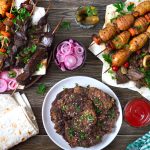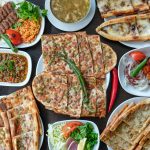

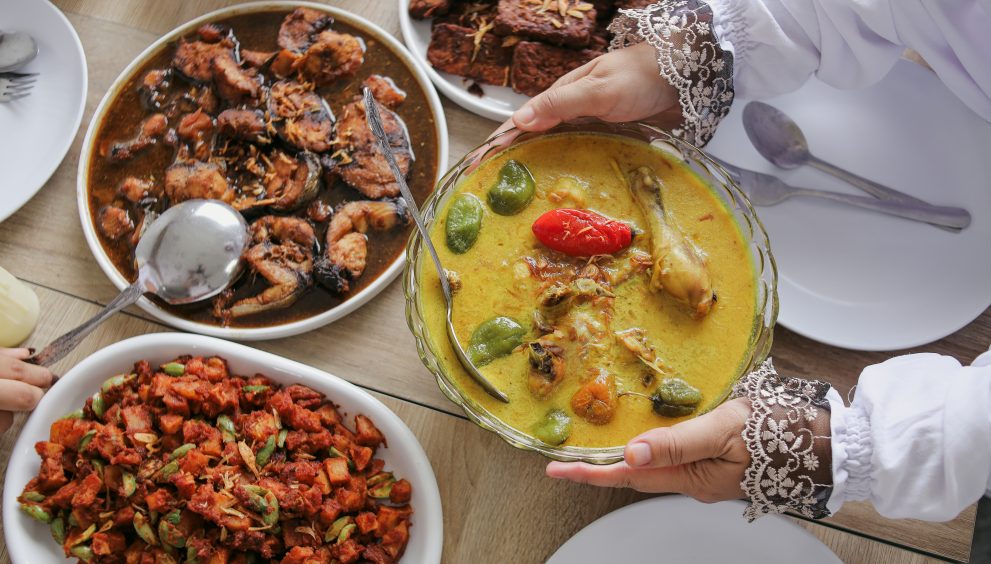
Walk into almost any Zabiha restaurant across the United States and you will notice a familiar pattern on the menu. Rice platters, burgers, wraps, grilled meats, fried chicken, and biryani appear again and again—regardless of city or cuisine style. This is not coincidence. These Zabiha dishes dominate US menus because they align perfectly with consumer behavior, operational efficiency, and religious trust.
Demand Drives Menu Design
Restaurants design menus around what customers consistently order. In the US, Muslim diners prioritize meals that are filling, convenient, and familiar. Dishes that meet these expectations quickly become bestsellers, and bestsellers naturally dominate menus.
Once a Zabiha item proves popular, restaurants are incentivized to keep it front and center to ensure steady revenue and repeat visits.
Compatibility With American Dining Habits
American dining culture favors quick service, portability, and customization. Rice platters, burgers, wraps, and fried items fit seamlessly into this model. They are easy to order, quick to prepare, and suitable for dine-in, takeout, and delivery.
Zabiha dishes that adapt well to these habits naturally outperform more complex or time-intensive meals.
Operational Efficiency Matters
From a business standpoint, dominant Zabiha dishes are efficient. They require fewer ingredients, simpler preparation processes, and less specialized equipment. This efficiency helps restaurants control costs while maintaining consistent quality.
Rice bowls, grilled proteins, and wraps allow kitchens to streamline workflows—an essential advantage in high-volume American restaurant environments.
Zabiha Compliance Is Easier to Maintain
Another reason these dishes dominate is compliance simplicity. Grilled meats, rice platters, and wraps make it easier for restaurants to maintain clear Zabiha handling and separation. Fewer ingredients mean fewer compliance risks.
This simplicity builds confidence for both restaurant owners and customers.
Broad Cultural Appeal
The most dominant Zabiha dishes transcend cultural boundaries. Burgers and fried chicken appeal to American-born Muslims and younger diners. Biryani, kebabs, and curries resonate with South Asian communities. Shawarma and rice platters attract Middle Eastern and African diners.
Menus that include these crossover dishes appeal to a wider audience, making them commercially stronger.
Consistency Builds Trust
Muslim diners value consistency, especially when it comes to religious compliance. When a dish tastes the same and meets expectations every time, it builds trust. Restaurants are more likely to keep such items permanently on the menu.
Consistency also encourages families and groups to order confidently without second-guessing choices.
Delivery and Takeout Performance
Delivery platforms have significantly influenced menu dominance. Items that travel well—such as rice bowls, wraps, and fried chicken—maintain quality during transport. Restaurants track which items perform best on delivery apps and prioritize them.
This reinforces demand cycles and further solidifies menu dominance.
Cost Control and Pricing Stability
Dominant Zabiha dishes allow restaurants to stabilize pricing. Bulk purchasing of staple ingredients like rice, chicken, and spices reduces costs. This stability helps restaurants offer competitive prices without compromising Zabiha standards.
Customers benefit from predictable pricing and portion sizes.
Menu Familiarity Reduces Risk for Diners
When diners see familiar Zabiha dishes, ordering becomes easier. Familiarity reduces the risk of disappointment and uncertainty. This is especially important for first-time visitors and families ordering for groups.
Menus dominated by trusted items create comfort and confidence.
Innovation Happens Around the Core
While dominant dishes remain central, innovation often happens around them. Restaurants introduce new sauces, spice blends, or presentation styles while keeping the core structure intact. This allows experimentation without alienating loyal customers.
Evolution without disruption is key to long-term success.
Why Less Popular Dishes Fade Out
More complex or niche dishes often struggle because they are harder to prepare consistently, slower to serve, or less familiar to a broad audience. Over time, these items are removed in favor of dishes that deliver reliable demand.
Menu dominance is ultimately driven by performance, not tradition alone.
Conclusion
Zabiha dishes dominate US menus because they align with how Americans eat, how restaurants operate, and how Muslim diners make decisions. Their convenience, compliance simplicity, broad appeal, and consistent performance make them indispensable. As Zabiha dining continues to grow across the United States, these core dishes will remain central—anchoring menus while allowing thoughtful innovation around them.