
Across the United States, food plays a powerful role in shaping identity and belonging. For Muslim communities, Zabiha food is far more than a dietary requirement—it is a social connector, a cultural anchor, and a shared language that brings people together. From family dinners to large community gatherings, Zabiha food quietly but consistently shapes how Muslim communities form, grow, and stay connected in America.
Zabiha as a Shared Foundation
Muslim communities in the USA are incredibly diverse—ethnically, linguistically, and culturally. What unites them is a shared commitment to halal and Zabiha standards. This shared foundation creates immediate trust and familiarity, even among people from very different backgrounds.
At community events, mosques, and homes, Zabiha food serves as common ground where differences fade and unity takes precedence.
Family Meals and Cultural Continuity
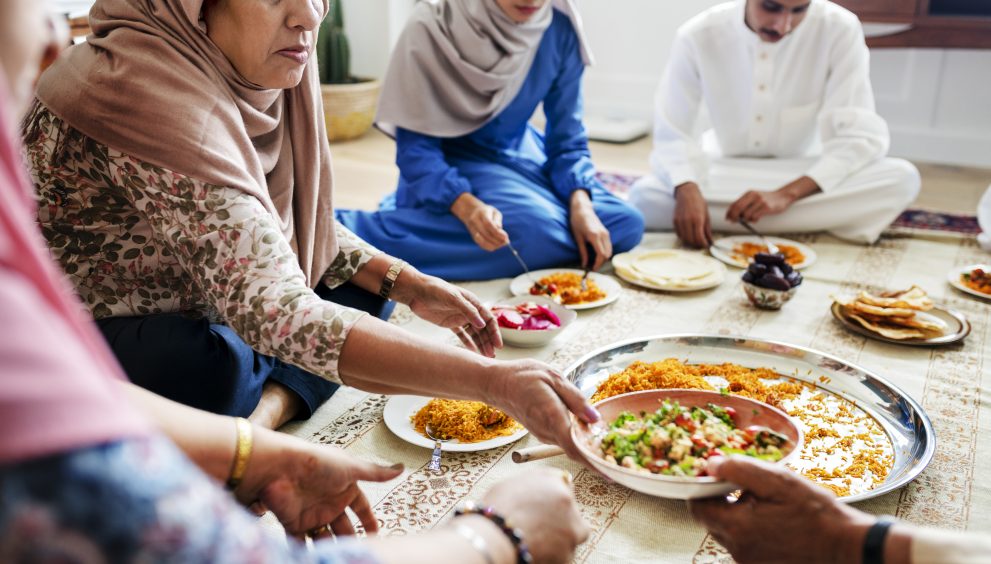
In many American Muslim households, Zabiha food is central to daily family life. Home-cooked meals passed down through generations preserve cultural traditions while adapting to American lifestyles.
These meals:
-
Reinforce family bonds
-
Teach children religious values through practice
-
Create consistency in an otherwise fast-paced environment
For immigrant families, Zabiha meals also provide comfort and a sense of continuity in a new country.
Zabiha Food at Mosques and Community Centers
Mosques and Islamic centers often serve as the heart of Muslim communities in the USA. Zabiha food is a regular feature at:
-
Friday gatherings
-
Ramadan iftars
-
Educational programs
-
Fundraising events
Sharing Zabiha meals strengthens community ties and creates welcoming spaces for newcomers, converts, and visitors.
Community Events and Celebrations
From Eid celebrations to weddings and community picnics, Zabiha food is always present. These events rely on trusted Zabiha catering or community cooking to ensure everyone can eat confidently.
Food becomes a symbol of care and inclusion—no one has to question whether they can participate fully.
Supporting Local Zabiha Businesses
Zabiha restaurants and halal markets are more than businesses; they are community hubs. Families often build long-term relationships with local butchers and restaurant owners, creating networks of trust and support.
Supporting these businesses:
-
Strengthens the local Muslim economy
-
Encourages better sourcing and transparency
-
Keeps Zabiha access available for future generations
These establishments often double as informal meeting places where community news is shared.
Zabiha and Intergenerational Connection
Zabiha food helps bridge generational gaps within Muslim communities. Elders value traditional dishes, while younger generations may prefer modern or fusion styles—but Zabiha remains the constant.
This shared framework allows food culture to evolve without losing its core values.
Food as a Tool for Inclusion
Zabiha meals play an important role in welcoming new community members. Converts, new immigrants, and students often experience their first sense of belonging through shared meals.
Eating together builds relationships faster than conversation alone, making Zabiha food a powerful tool for inclusion.
Adaptation Within American Culture
In the USA, Zabiha food has adapted to local contexts—BBQs, potlucks, and casual gatherings. Muslim families participate fully in American food traditions by offering Zabiha versions that everyone can enjoy.
This adaptation allows communities to remain rooted in faith while engaging confidently with broader society.
Teaching Values Through Food
Zabiha food teaches more than dietary rules. It teaches:
-
Mindfulness about sourcing
-
Respect for ethical treatment
-
Gratitude and intentionality
Children learn these values naturally through participation in family and community meals.
Zabiha as an Identity Marker
For many American Muslims, Zabiha food is one of the most visible and practiced expressions of faith. It reinforces identity quietly—without explanation or debate—through everyday action.
In multicultural settings, this consistency provides clarity and confidence.
Challenges and Community Solutions
Access to Zabiha food can still be challenging in some areas. Communities often respond collectively—organizing group purchases, supporting new businesses, or sharing resources.
These solutions further strengthen communal bonds and resilience.
Why Zabiha Food Will Continue to Shape Communities
As Muslim populations grow and diversify in the USA, Zabiha food will remain central. Its ability to adapt while maintaining core principles ensures it continues to unite communities across generations.
Food is one of the most enduring ways culture survives—and Zabiha is at the heart of that survival.
Conclusion
Zabiha food shapes Muslim communities in the USA by fostering trust, preserving culture, and creating spaces of belonging. From homes and mosques to restaurants and public gatherings, Zabiha meals bring people together across backgrounds and generations. In a diverse and fast-moving society, Zabiha food remains a steady force—grounding American Muslim communities in shared values, care, and connection.