

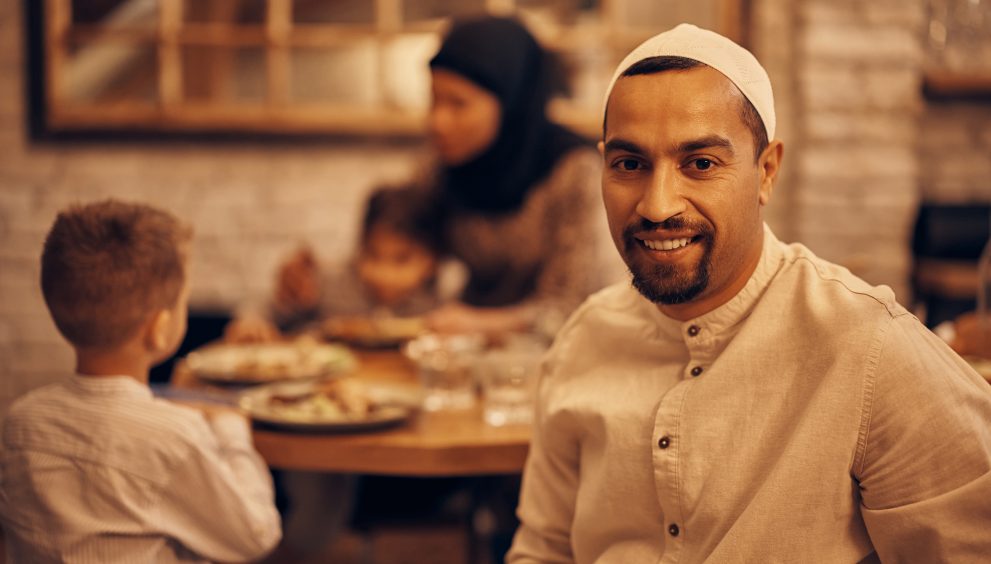
In the United States, Zabiha restaurants play a role that extends far beyond serving food. For American Muslims, these restaurants are social anchors, trusted spaces, and cultural touchpoints that support daily life, community connection, and identity. Whether in large cities or smaller suburbs, Zabiha restaurants shape how Muslim communities eat, gather, and belong.
Zabiha Restaurants as Trusted Spaces
Trust is central to Muslim dining, and Zabiha restaurants provide something invaluable: confidence. Diners know they can eat freely without questioning ingredients or preparation. This trust allows families to relax and enjoy meals together—something that is not always possible in mainstream dining environments.
For many Muslims, Zabiha restaurants are the default choice for dining out.
A Home Away From Home
Zabiha restaurants often feel familiar and welcoming. The food, language, and atmosphere create a sense of comfort—especially for immigrants, students, and travelers. These spaces replicate the warmth of home cooking while offering the convenience of eating out.
For newcomers to the USA, Zabiha restaurants are often among the first places where they feel socially at ease.
Community Gathering Points
Beyond meals, Zabiha restaurants serve as informal community hubs. Friends meet after prayers, families gather on weekends, and community members reconnect over shared plates. Important conversations—personal, professional, and communal—often happen at restaurant tables.
In many neighborhoods, Zabiha restaurants function as social connectors that strengthen local networks.
Supporting Muslim-Owned Businesses
Most Zabiha restaurants in the USA are Muslim-owned. Supporting them is both an economic and communal act. When families choose these restaurants, they:
-
Strengthen local Muslim economies
-
Encourage ethical sourcing
-
Sustain access to Zabiha food in the area
These businesses often reinvest in the community through employment, sponsorships, and charitable efforts.
Cultural Representation Through Food
Zabiha restaurants showcase the diversity of Muslim cultures—South Asian, Middle Eastern, African, and increasingly fusion cuisines. This variety allows communities to celebrate heritage while also adapting to American tastes.
For younger generations, these restaurants provide a way to connect with cultural roots in a modern context.
A Safe Choice for Family Dining
Families often choose Zabiha restaurants for birthdays, celebrations, and casual outings because they are predictable and inclusive. Elders, children, and guests can all eat comfortably without lengthy explanations or compromises.
This reliability makes Zabiha restaurants essential for family-centered social life.
Zabiha Restaurants During Ramadan and Eid
During Ramadan, Zabiha restaurants become especially important. Iftar meals, late-night dining, and community gatherings rely heavily on these establishments. Many restaurants adjust hours, menus, and portion sizes to accommodate fasting schedules.
On Eid, Zabiha restaurants often host celebratory meals, reinforcing their role in religious and cultural life.
Bridging Muslim and Non-Muslim Communities
Zabiha restaurants also act as bridges. Non-Muslim friends, coworkers, and neighbors often experience halal and Zabiha food for the first time in these spaces. This shared dining experience promotes understanding and inclusion without formal explanation.
Food becomes a gentle introduction to Muslim culture.
Employment and Youth Engagement
Zabiha restaurants provide employment opportunities, particularly for Muslim youth and students. These jobs offer flexible hours and culturally comfortable work environments, helping young people stay connected to their communities.
For many, working at a Zabiha restaurant is an early step into responsibility and independence.
Challenges Zabiha Restaurants Face
Despite their importance, Zabiha restaurants face challenges such as:
-
Higher sourcing costs
-
Maintaining compliance consistently
-
Competing with large chains
Community support plays a crucial role in helping these businesses survive and thrive.
Evolving With American Food Culture
Zabiha restaurants continue to evolve—offering healthier options, fusion dishes, and modern dining formats. This adaptability helps them remain relevant to younger diners while still serving traditional favorites.
The ability to evolve without losing trust is what sustains long-term success.
Why Zabiha Restaurants Matter Long-Term
Zabiha restaurants help normalize Muslim presence in American public life. They create visible, welcoming spaces where faith and culture coexist confidently within broader society.
As Muslim populations grow, these restaurants will remain foundational institutions.
Conclusion
Zabiha restaurants play a vital role in American Muslim life by providing trusted dining, fostering community connection, and supporting cultural continuity. They are more than places to eat—they are spaces of belonging, interaction, and identity. In cities and suburbs across the USA, Zabiha restaurants quietly but powerfully shape how Muslim communities live, gather, and thrive.