
Dining traditions play a powerful role in preserving culture and faith, especially within immigrant and minority communities. Among Muslims in the United States, Zabiha dining traditions have evolved into a unique blend of religious practice, cultural heritage, and American lifestyle. These traditions shape how families eat, gather, and pass values from one generation to the next.
Zabiha as a Daily Practice, Not an Occasion
For US Muslims, Zabiha is not reserved for special events—it is a daily standard. Whether eating at home, dining out, or attending gatherings, Zabiha compliance is assumed and expected. This consistency creates a shared rhythm in everyday life and removes uncertainty around meals.
Over time, Zabiha becomes second nature rather than a conscious decision at every meal.
Family-Centered Dining Traditions
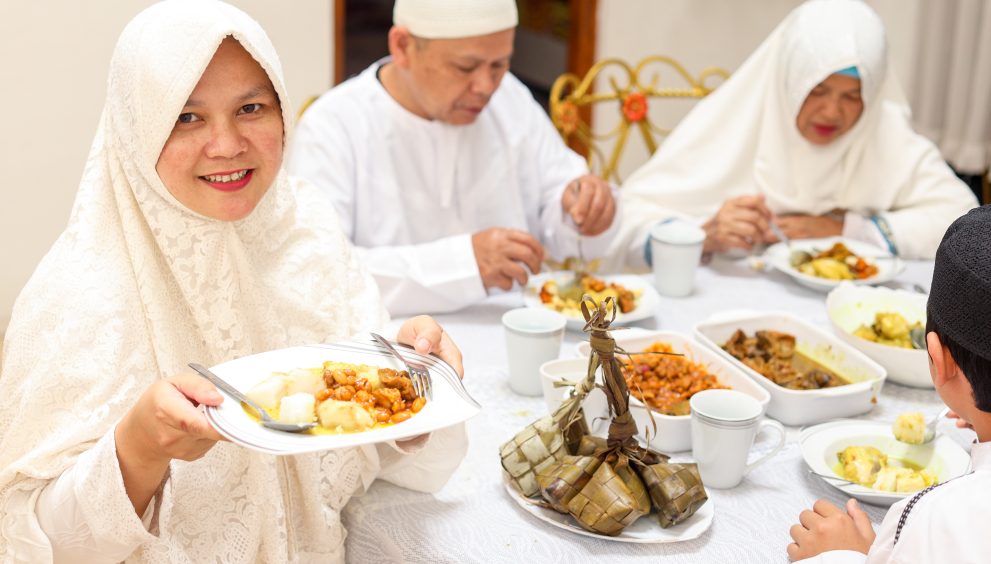
Family meals remain central in American Muslim households. Despite busy schedules, many families prioritize eating together—especially dinner. Zabiha food anchors these moments, providing both nourishment and connection.
Common family traditions include:
-
Shared evening meals
-
Weekend family lunches
-
Cooking together at home
These routines help maintain strong family bonds in fast-paced American environments.
Hosting Guests With Zabiha Confidence
Hospitality is a deeply rooted value in Muslim culture. In the USA, hosting guests almost always involves Zabiha food, ensuring that everyone can eat comfortably and confidently.
Hosts often prepare more food than necessary, reflecting generosity and care. Zabiha meals served to guests reinforce trust and mutual respect.
Community Potlucks and Shared Meals
Community potlucks are common among US Muslims, especially at mosques and Islamic centers. Zabiha compliance allows everyone to contribute and share without concern.
These gatherings strengthen relationships across ethnic and cultural lines, using food as a unifying element rather than a dividing one.
Ramadan and Iftar Traditions
Ramadan deeply shapes Zabiha dining traditions. Iftar meals are often shared with family, friends, and community members. In the USA, this includes:
-
Home-hosted iftars
-
Mosque-sponsored meals
-
Restaurant iftar gatherings
Zabiha food during Ramadan carries spiritual significance alongside nourishment, reinforcing gratitude and togetherness.
Eid and Celebration Dining
Eid celebrations are incomplete without Zabiha meals. Families prepare special dishes or dine out together at trusted Zabiha restaurants. These meals symbolize joy, gratitude, and communal celebration.
For children, Eid meals often become cherished memories tied directly to Zabiha food.
Adaptation to American Dining Habits
Zabiha dining traditions in the USA have adapted to American norms such as:
-
Backyard BBQs
-
Casual potlucks
-
Weeknight quick dinners
Muslim families participate fully in these traditions by offering Zabiha alternatives, ensuring inclusion without compromise.
Passing Traditions to the Next Generation
Parents and elders play a key role in teaching children why Zabiha matters. Through everyday meals, kids learn:
-
Awareness of what they eat
-
Respect for religious guidelines
-
Cultural pride
These lessons are taught organically, without formal instruction, through lived experience.
Zabiha Dining Across Cultures
American Muslim communities are diverse. Zabiha dining traditions reflect this diversity, with meals ranging from South Asian and Middle Eastern to African and fusion cuisines. Despite variety, Zabiha remains the shared standard.
This diversity enriches community dining while maintaining unity.
Eating Out as a Social Tradition
Dining out at Zabiha restaurants is a common social tradition among US Muslims. Families and friends gather at trusted spots for celebrations, reunions, and casual meetups. These outings extend Zabiha dining traditions beyond the home.
Restaurants become extensions of communal dining culture.
Respecting Zabiha in Mixed Settings
In workplaces, schools, and social events, many US Muslims bring their own Zabiha food or suggest Zabiha-friendly venues. This practice reinforces dietary values while engaging confidently in broader society.
Clear communication and consistency help normalize Zabiha dining in mixed environments.
Why These Traditions Endure
Zabiha dining traditions endure because they provide structure, trust, and continuity. In a society where food options are vast but often uncertain, Zabiha offers clarity and confidence.
These traditions help Muslims navigate American life without disconnecting from faith or heritage.
Conclusion
Zabiha dining traditions among US Muslims are a living expression of faith, culture, and community. From daily family meals and hospitality to Ramadan iftars and Eid celebrations, Zabiha food shapes how Muslims eat, gather, and belong in America. As communities continue to grow and adapt, these traditions remain a steady foundation—connecting generations through shared values and shared meals.