
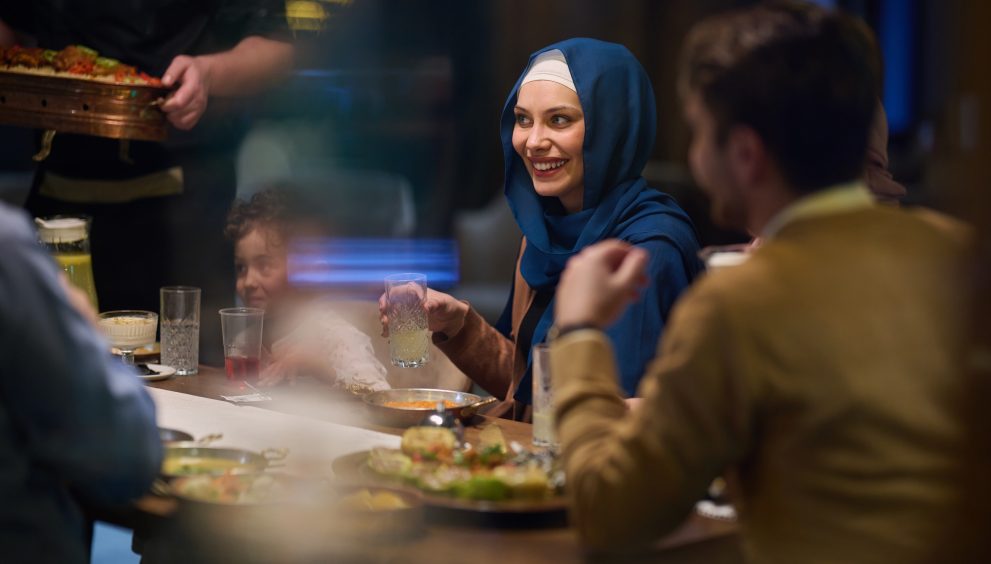
Dining out in the United States often involves navigating different food cultures, service styles, and social norms. For American Muslims, understanding halal and Zabiha dining etiquette helps maintain religious values while engaging confidently and respectfully in public dining spaces. Proper etiquette is not about being rigid—it is about clarity, respect, and informed choices.
Understanding the American Dining Environment
American restaurants vary widely in how they operate. Servers may not always be familiar with halal or Zabiha requirements, and menus often use general terms like “halal-style” or “Muslim-owned.” Knowing this context helps diners approach conversations calmly and clearly.
Patience and courtesy go a long way when asking questions.
Asking About Zabiha the Right Way
When dining at a restaurant claiming halal options, it is appropriate to ask specific but respectful questions, such as:
-
Is the meat Zabiha or halal-certified?
-
Is all meat halal or only certain items?
-
Is it cooked separately from non-halal meat?
Clear, direct questions reduce confusion and help staff give accurate answers.
Avoiding Assumptions Based on Ownership or Cuisine
A common etiquette mistake is assuming food is Zabiha because:
-
The restaurant is Muslim-owned
-
The cuisine is Middle Eastern or South Asian
While often true, assumptions can lead to misunderstandings. Proper etiquette involves confirming details rather than relying on appearance or reputation alone.
Choosing Transparent Menu Items
When dining in mixed or unfamiliar settings, etiquette favors simple, transparent dishes. Grilled meats, kebabs, and plainly prepared items are easier to verify and usually safer choices than complex dishes with multiple sauces or processed ingredients.
Choosing wisely reduces the need for repeated questioning.
Respectful Communication With Non-Muslim Staff
Many American servers are happy to help but may not understand religious dietary rules. Explaining briefly and politely—without sounding demanding—creates a positive interaction.
For example, saying “I follow a halal diet and need to confirm how the meat is prepared” is clear and respectful.
Handling Mixed Dining Groups
When dining with non-Muslim friends or coworkers, etiquette includes:
-
Suggesting halal-friendly restaurants in advance
-
Reviewing menus together
-
Avoiding last-minute changes that inconvenience others
Clear communication beforehand ensures everyone enjoys the meal without awkwardness.
Cross-Contamination Awareness
Proper etiquette also includes awareness of cross-contamination. Asking whether:
-
Separate grills are used
-
Cooking surfaces are shared
is appropriate when necessary. If separation is not possible, declining politely is acceptable and respectful.
Maintaining standards does not require confrontation.
Tipping and Service Etiquette
Muslim diners are expected to follow standard American dining customs, including tipping appropriately. Halal etiquette does not replace social etiquette—it complements it.
Good service deserves fair tipping, regardless of dietary discussions during the meal.
Handling Mistakes Gracefully
If a misunderstanding occurs—such as incorrect information about meat sourcing—respond calmly. Politely declining the dish or asking for clarification is appropriate.
Public confrontation or embarrassment should be avoided; grace reflects both character and faith.
Dining During Ramadan and Special Times
During Ramadan, dining etiquette may include asking about iftar options, wait times, or modified menus. Patience is especially important during busy hours, as many Zabiha restaurants experience high demand.
Understanding this context improves the experience for both diners and staff.
Teaching Children Dining Etiquette
Parents often use restaurant visits to teach children how to:
-
Ask politely about food
-
Respect service staff
-
Understand why Zabiha matters
These lessons help children navigate dining situations confidently as they grow.
Respecting Restaurant Policies
Some restaurants may not be able to accommodate all Zabiha requirements. Proper etiquette includes respecting their limitations without pressure or judgment.
Choosing to dine elsewhere is a valid and respectful option.
Why Etiquette Matters Long-Term
Consistent, respectful behavior helps normalize halal and Zabiha dining in American society. When Muslims communicate clearly and courteously, it encourages awareness and inclusivity across the food industry.
Good etiquette builds bridges, not barriers.
Conclusion
Halal and Zabiha dining etiquette in American restaurants is about balance—maintaining religious standards while engaging respectfully with diverse dining environments. By asking clear questions, avoiding assumptions, and communicating politely, Muslim diners can enjoy confident, stress-free dining experiences. These practices not only protect dietary values but also contribute positively to broader understanding and mutual respect.