






















Smoked vs Grilled Zabiha BBQ: What Americans Prefer

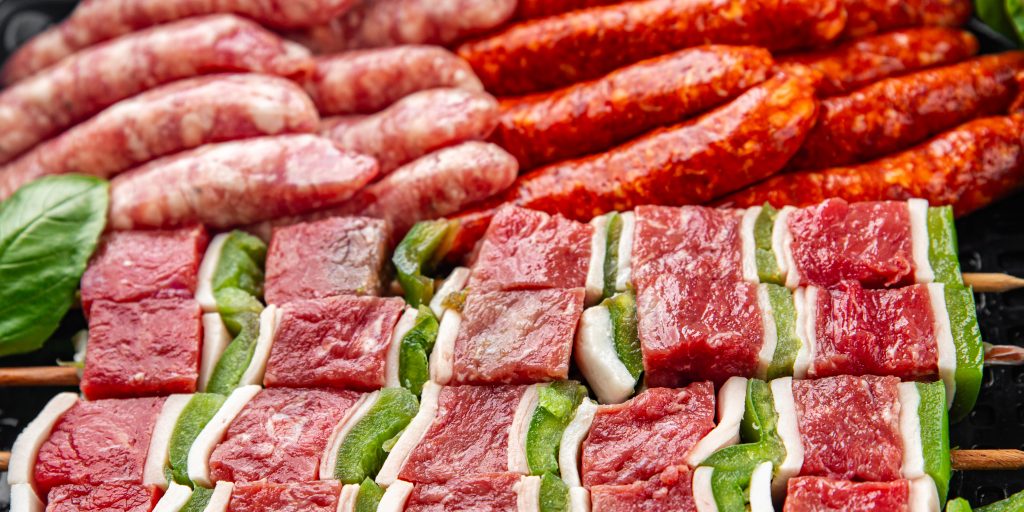
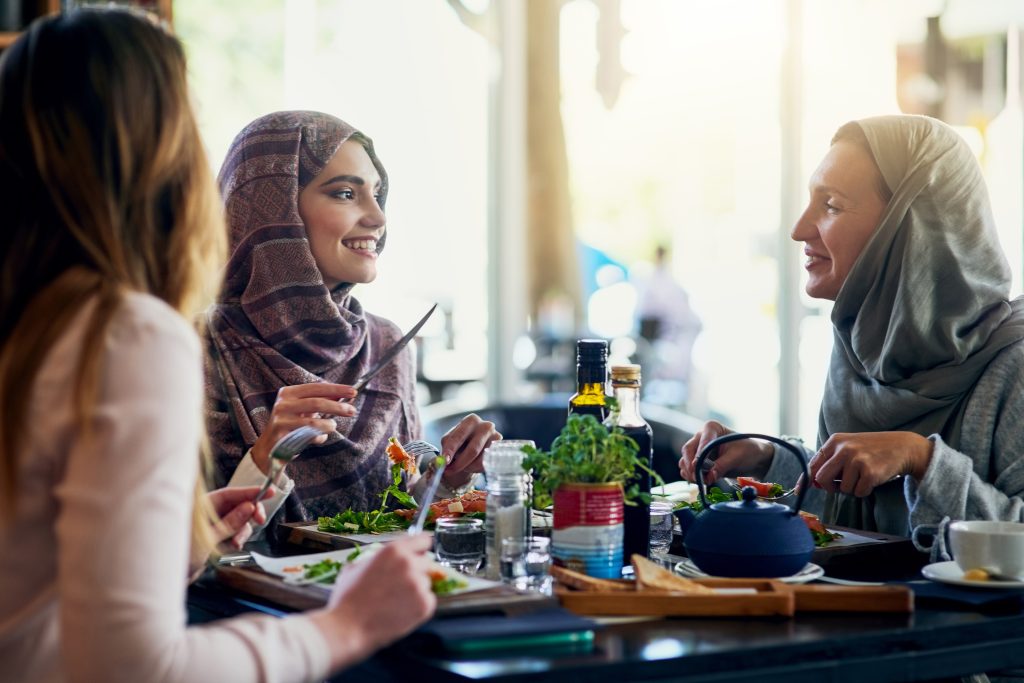
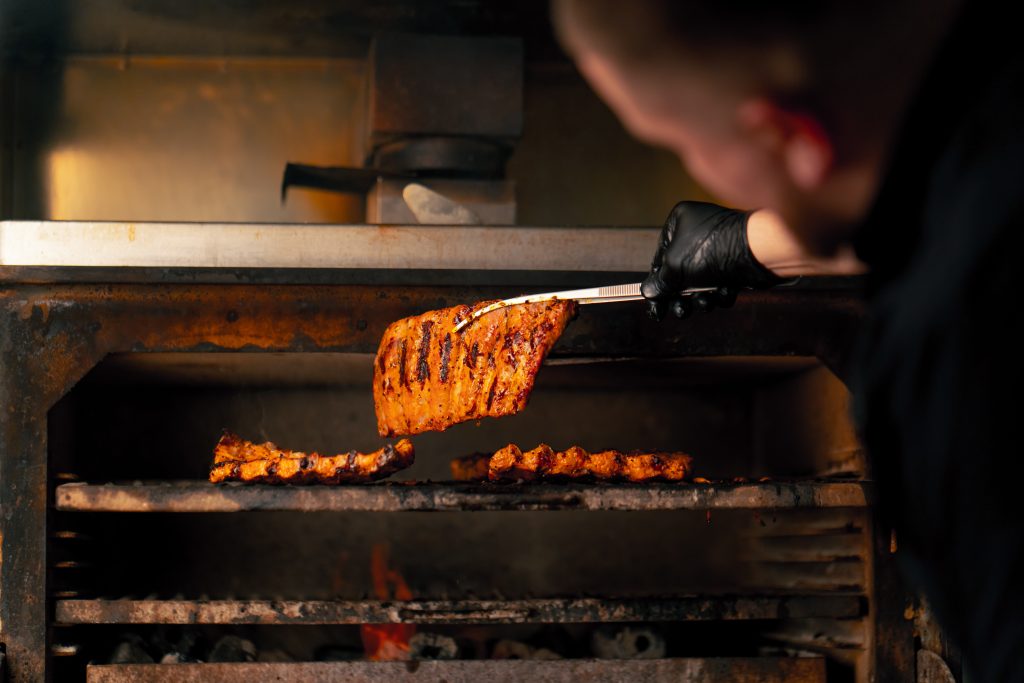
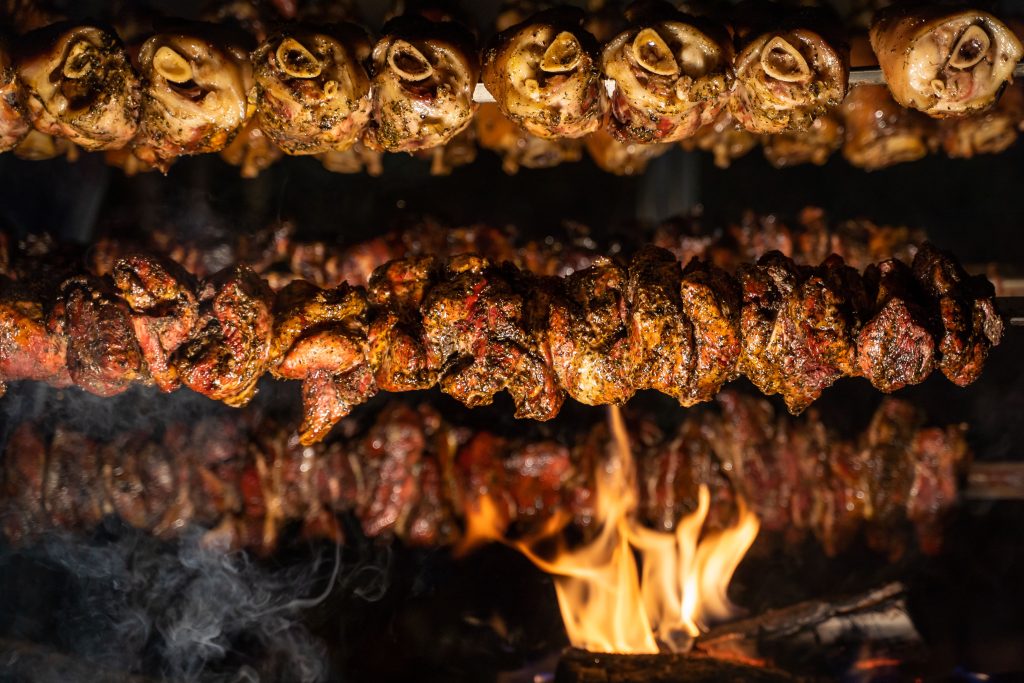
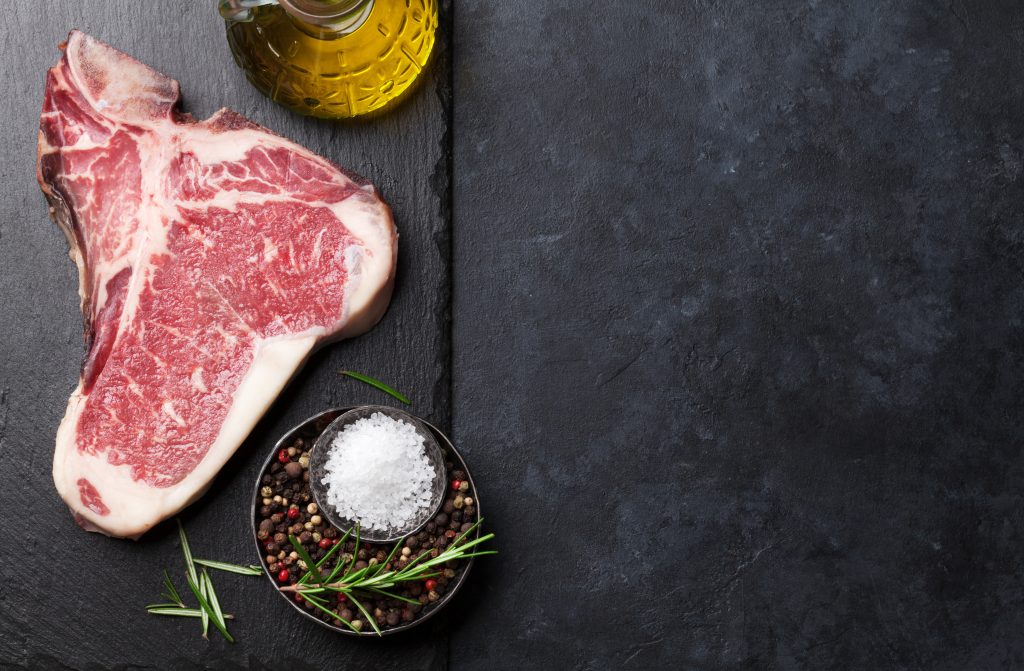
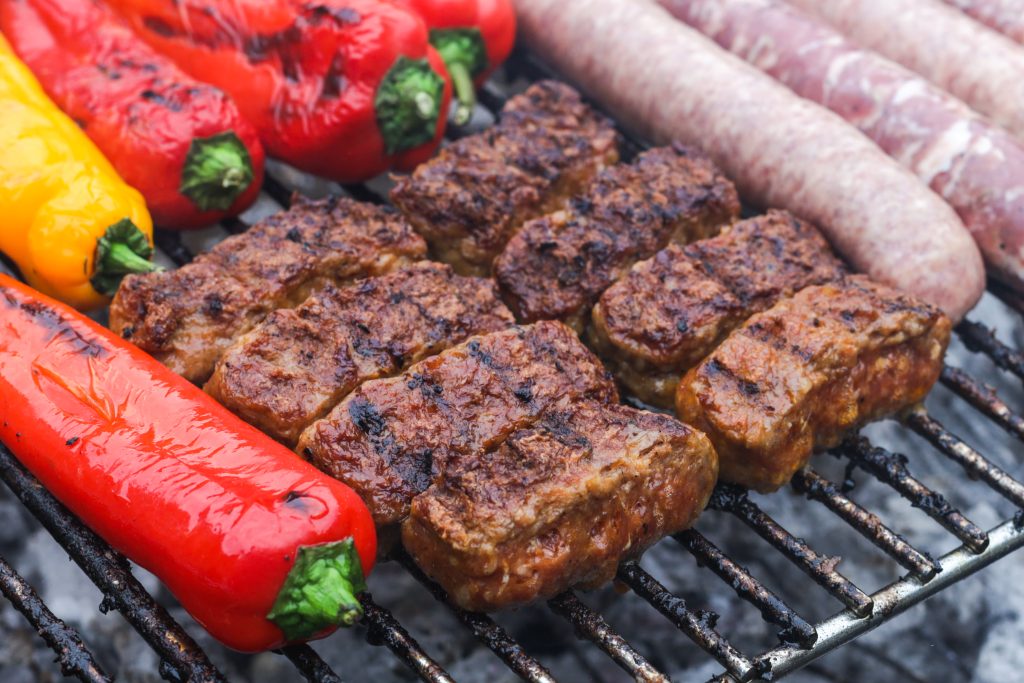
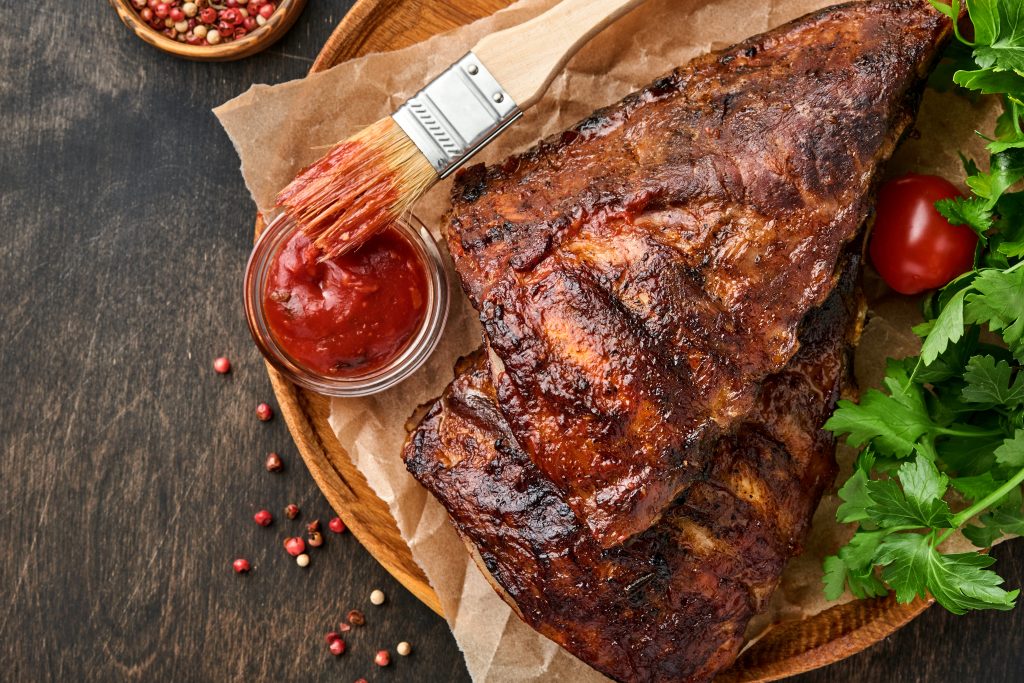
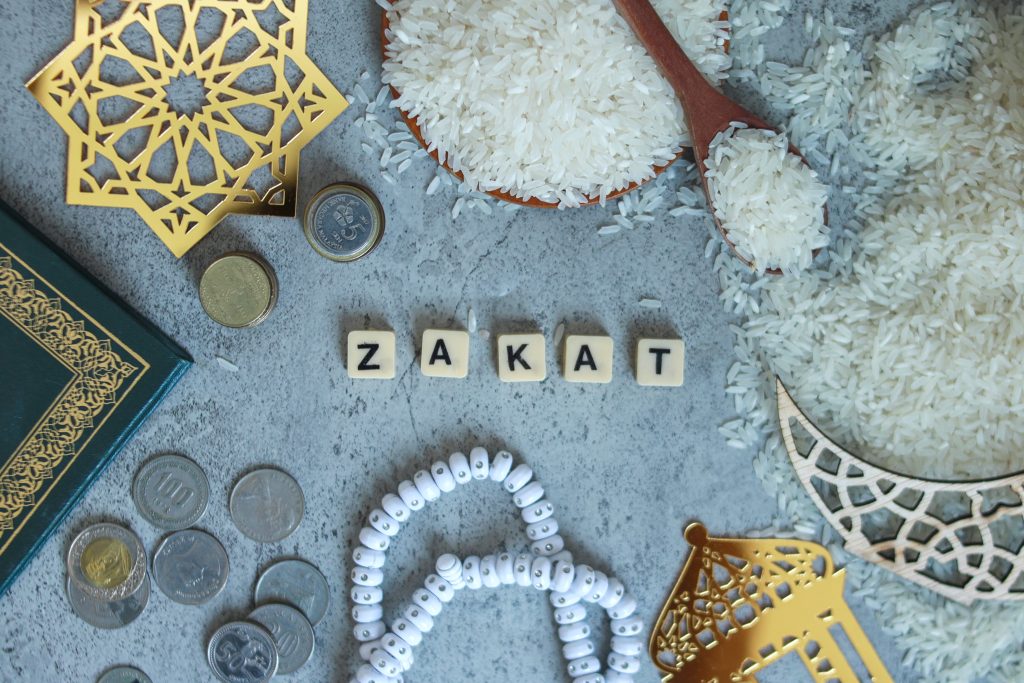
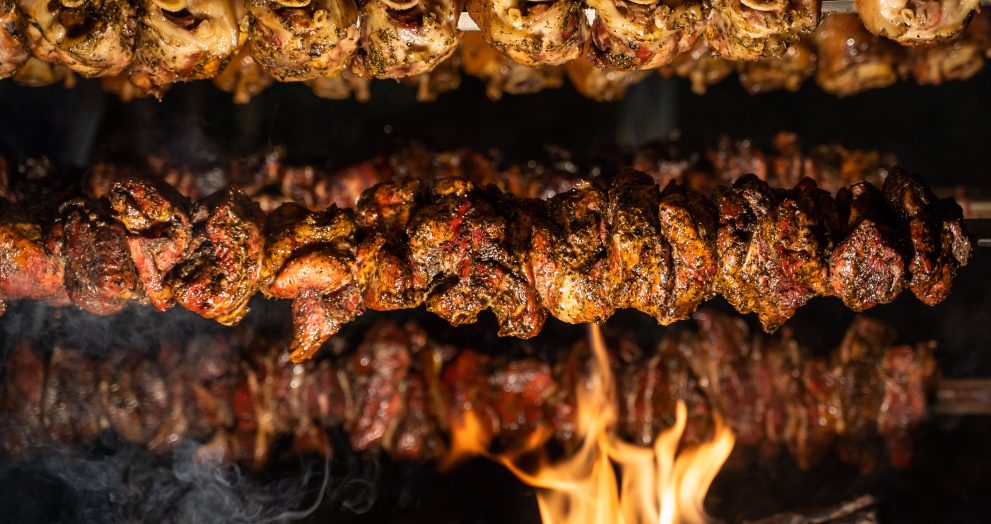
As Zabiha BBQ gains popularity across the United States, a common debate has emerged among diners: smoked or grilled? Both methods are deeply rooted in American BBQ culture and have been successfully adapted to Zabiha compliance. While each technique offers distinct flavors and experiences, American Muslim diners tend to gravitate toward one or the other based on taste preferences, convenience, and dining context.
Must-Try Zabiha Grill Platters in US Restaurants

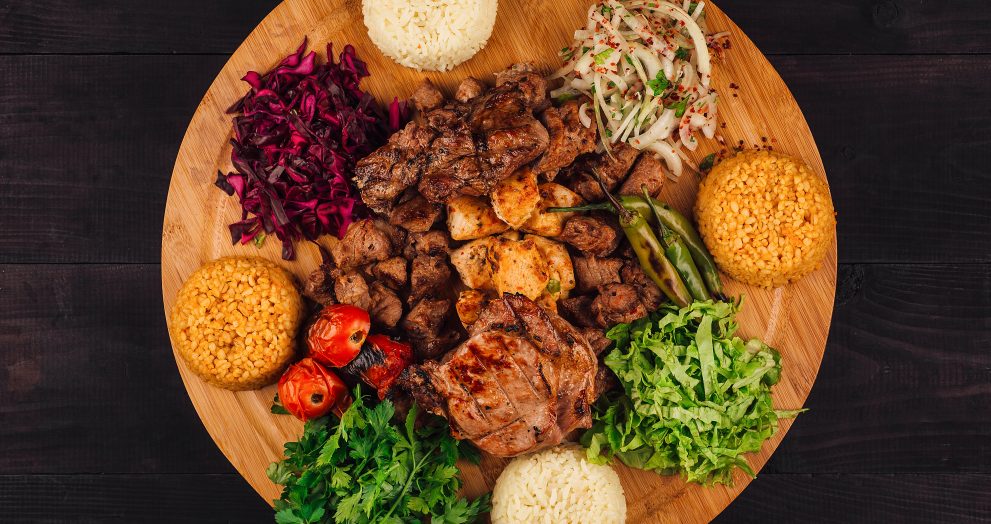
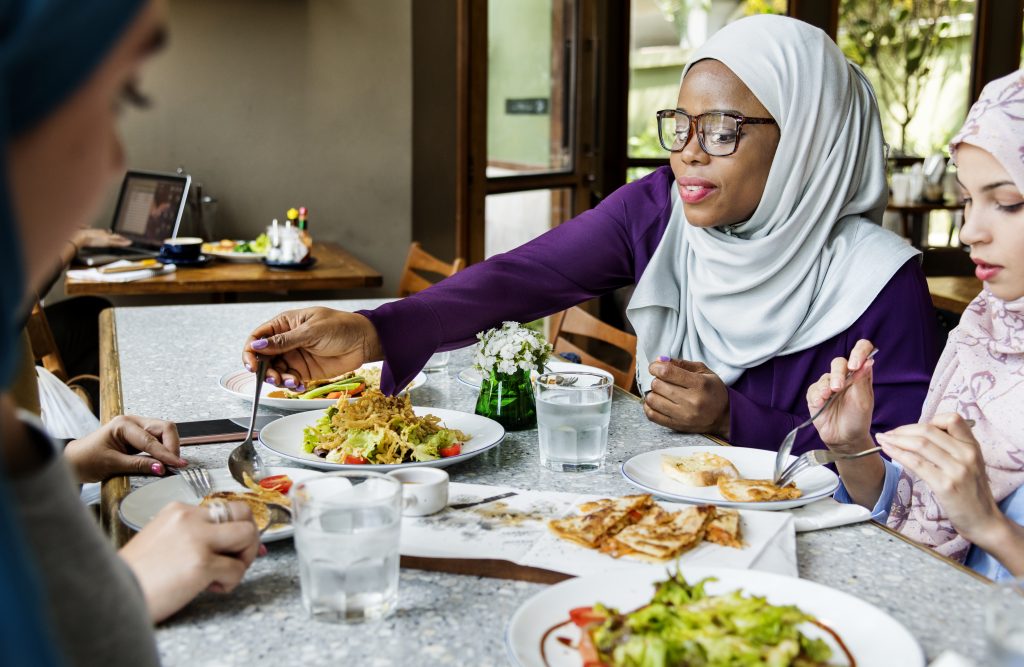
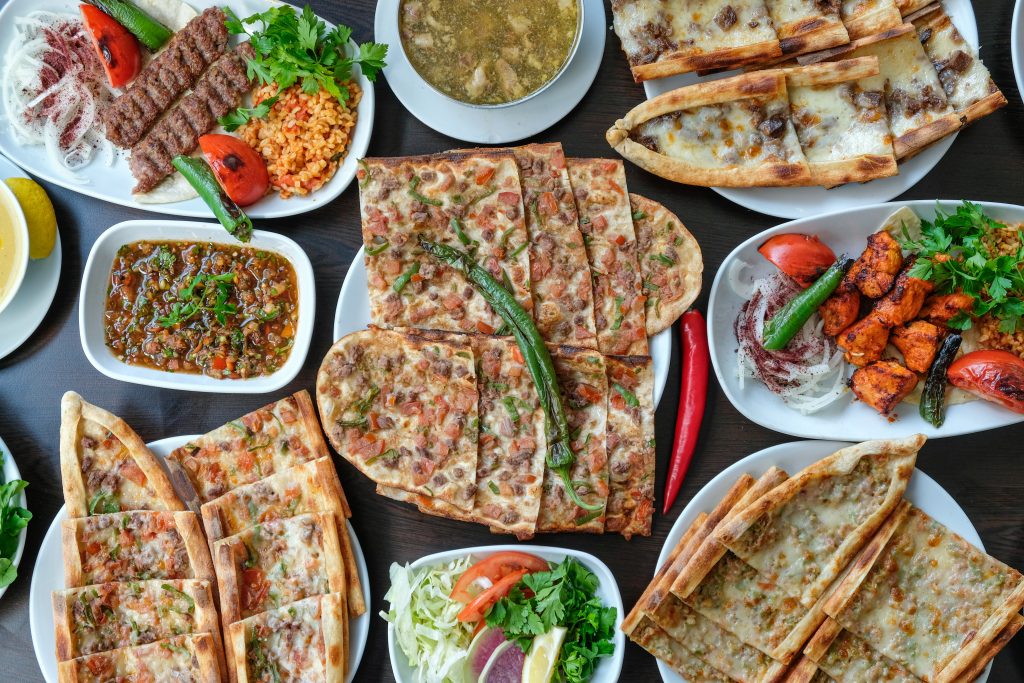
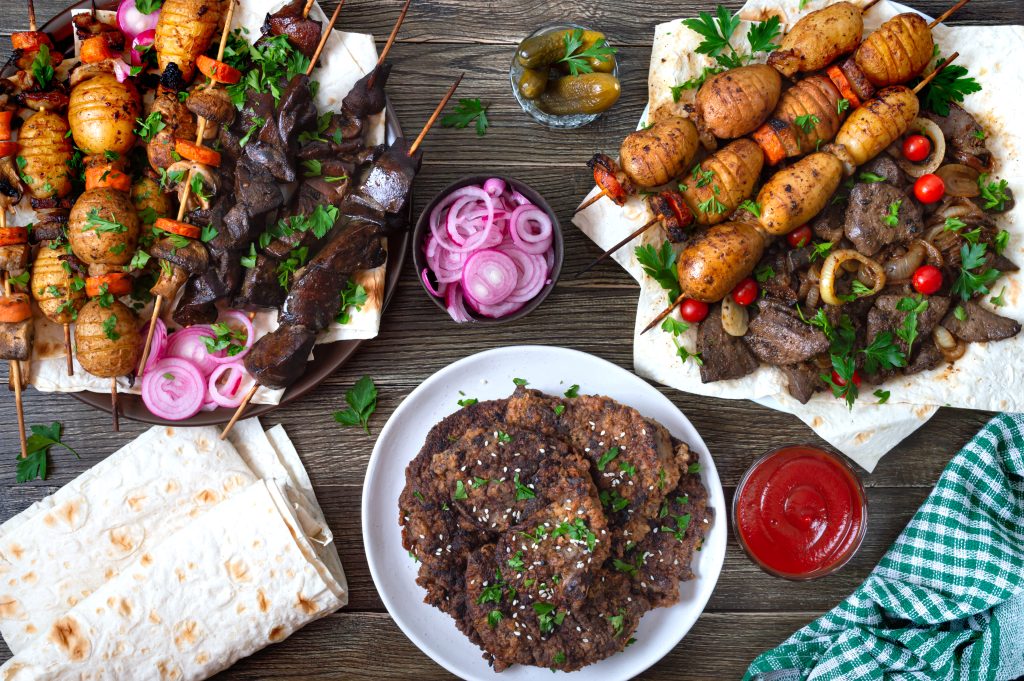
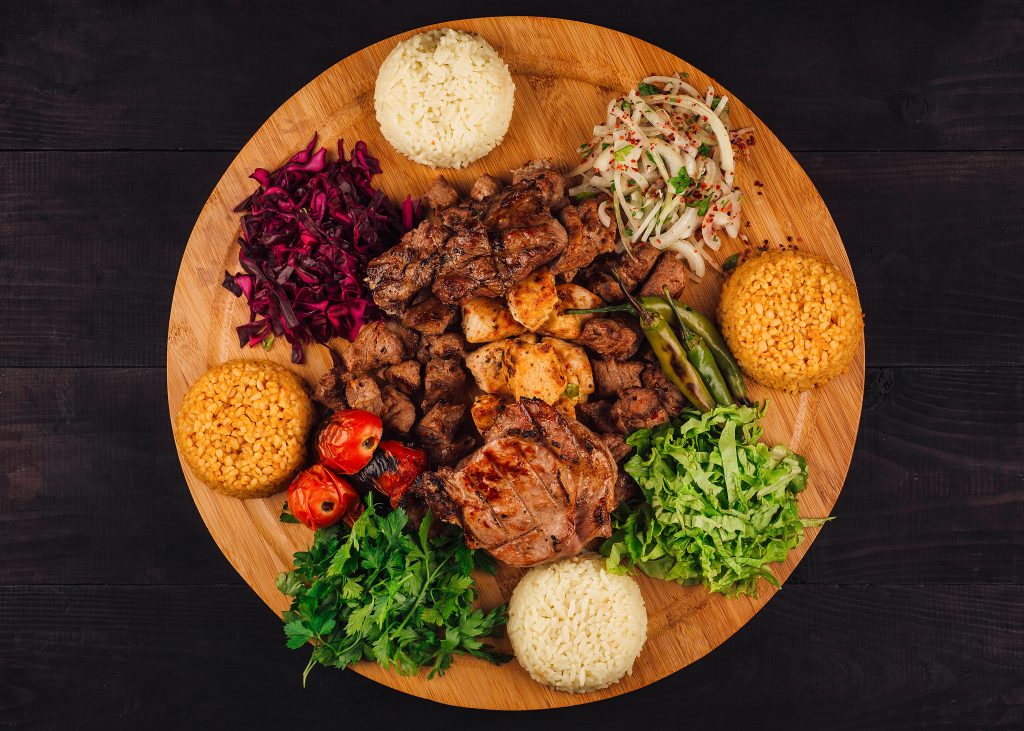
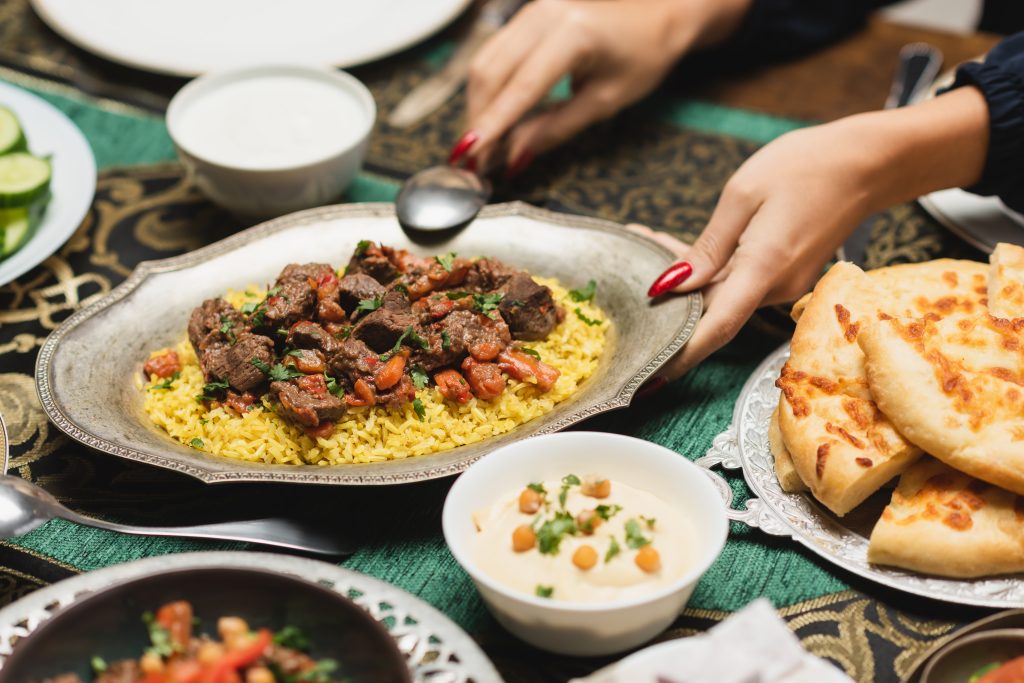
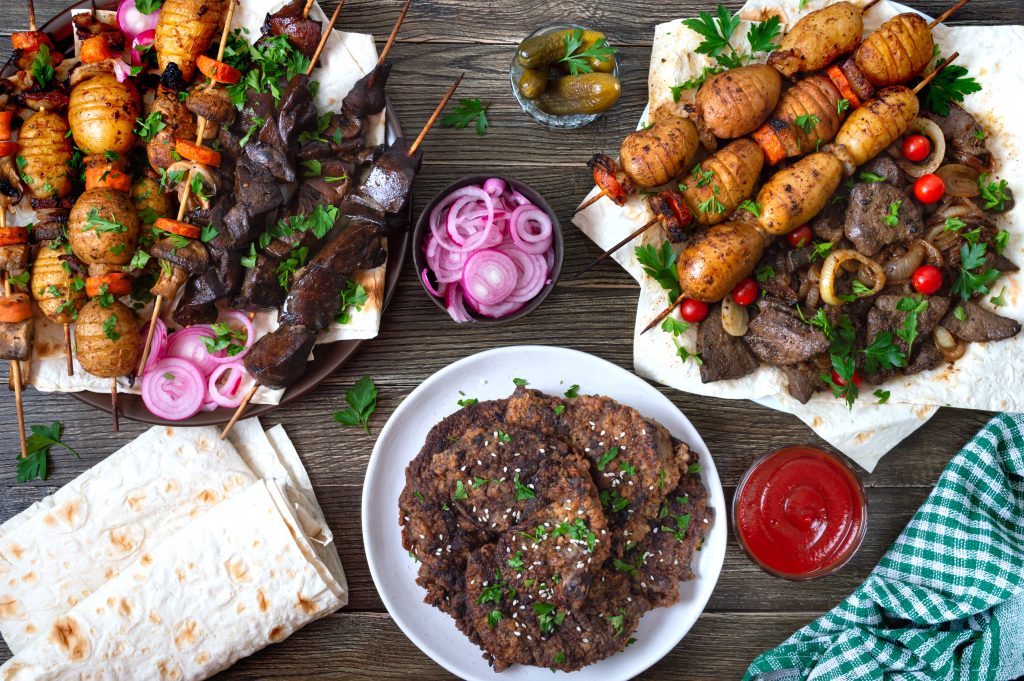
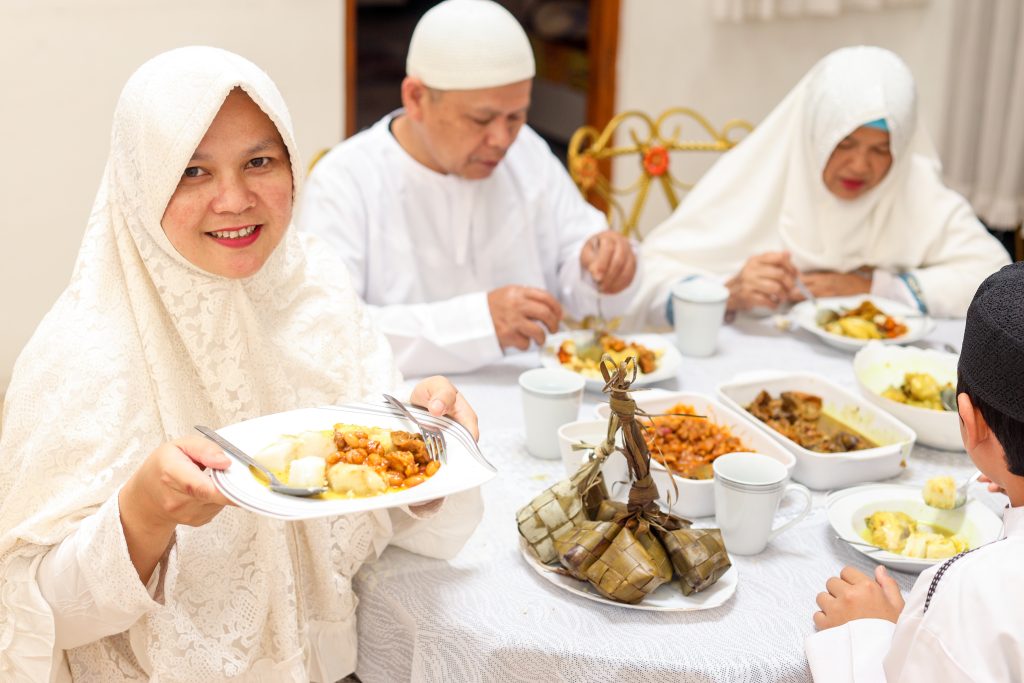
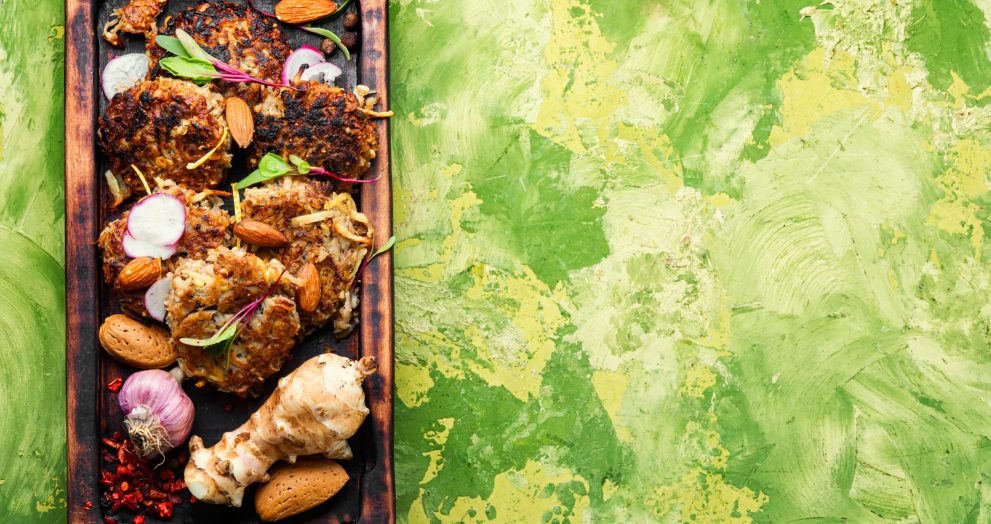
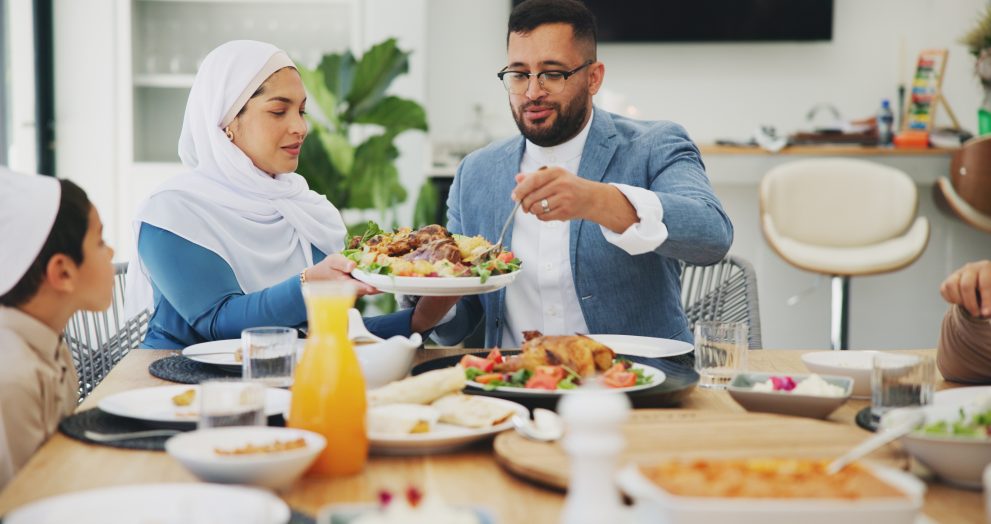
Across the United States, Zabiha grill platters have become one of the most trusted and satisfying menu choices for Muslim diners. Whether ordered for family dinners, group outings, or first-time visits to a new restaurant, grill platters offer variety, transparency, and value. Their popularity comes from a simple promise: well-prepared Zabiha meats, grilled fresh, served in generous portions that are easy to share.

Zabiha Fusion Foods Trending in the USA

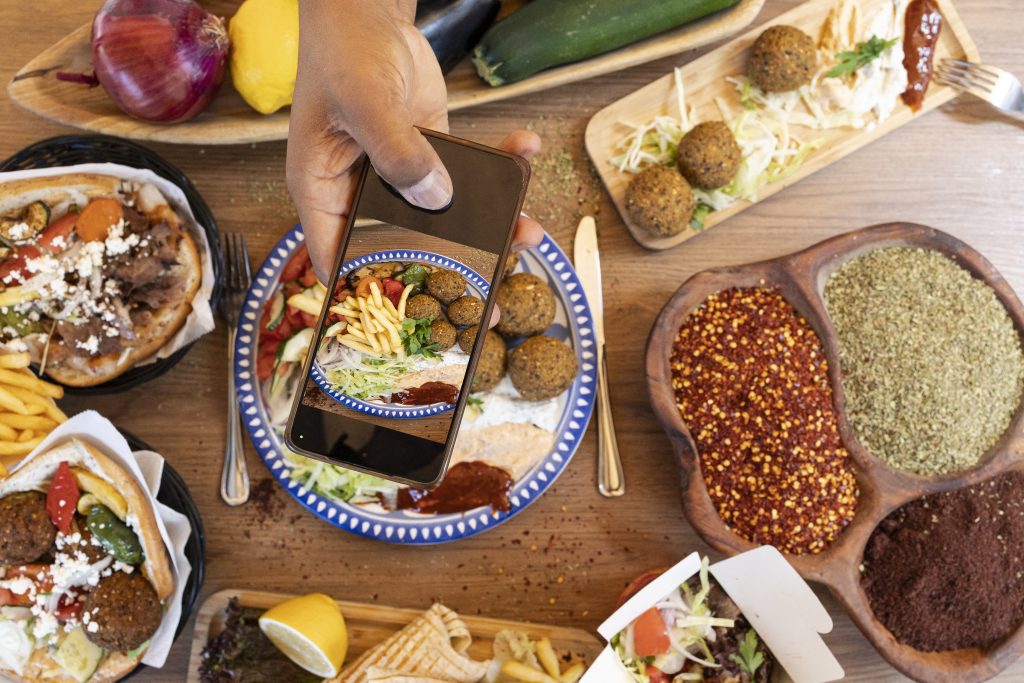
As Muslim communities grow and evolve across the United States, so does their food culture. One of the most exciting developments in recent years is the rise of Zabiha fusion foods—dishes that blend traditional Zabiha-compliant meats with global and American flavors. These creations reflect a new generation of diners who value faith-based compliance while embracing culinary creativity.

Are Fusion Zabiha Foods Authentic or Just Trendy?

Lorem Ipsum is simply dummy text of the printing and typesetting industry. Lorem the industry’s standard dummy text ever since the when an unknown printer took a galley of type and scrambled it to make a type spe has been the industry’s standard dummy text

Is Zabiha Meat Healthier Than Regular Meat in the USA?

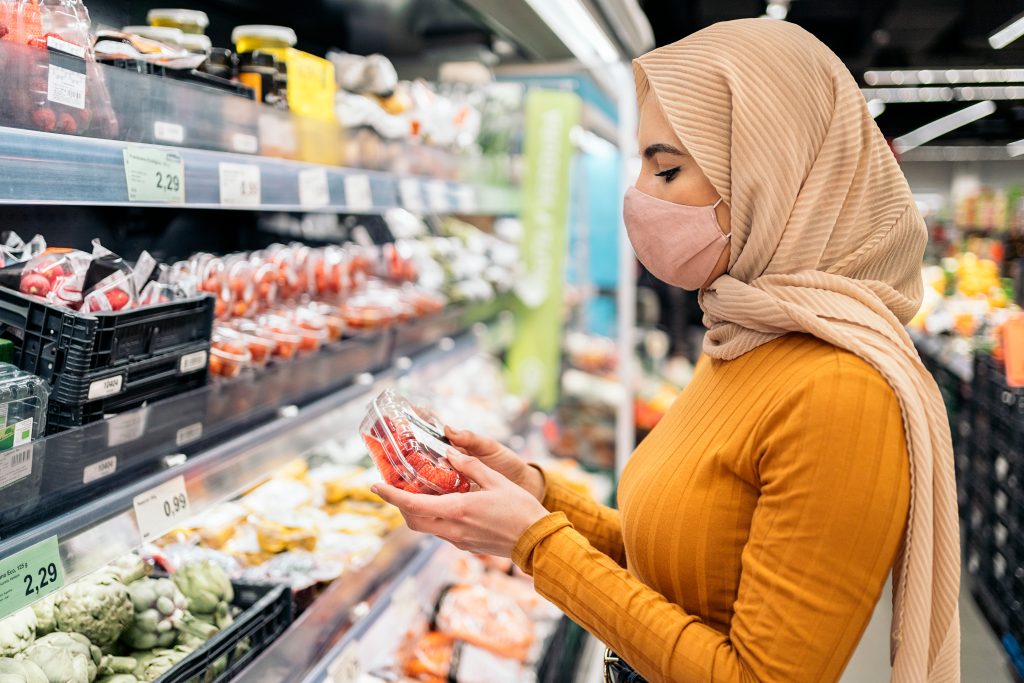
In the United States, health-conscious eating has become a major priority. From organic produce to grass-fed meats, Americans are increasingly questioning where their food comes from and how it impacts their health. Within Muslim communities, this discussion often leads to an important question: Is Zabiha meat actually healthier than regular meat in the USA, or is it only a religious preference?

Nutritional Benefits of Zabiha Meat for American Diets

As Americans become more intentional about what they eat, nutrition has moved to the center of everyday food choices. Protein quality, micronutrients, and clean sourcing now matter more than ever. For Muslim families in the United States, Zabiha meat is not only a religious obligation but also an important nutritional component of the American diet. When examined closely, Zabiha meat fits well into modern US nutrition goals while offering several unique benefits.

How Zabiha Slaughter Impacts Meat Quality

Lorem Ipsum is simply dummy text of the printing and typesetting industry. Lorem the industry’s standard dummy text ever since the when an unknown printer took a galley of type and scrambled it to make a type spe has been the industry’s standard dummy text

Clean Eating Tips Using Zabiha Meat in the USA

Lorem Ipsum is simply dummy text of the printing and typesetting industry. Lorem the industry’s standard dummy text ever since the when an unknown printer took a galley of type and scrambled it to make a type spe has been the industry’s standard dummy text

How Zabiha Fits into a Healthy American Lifestyle

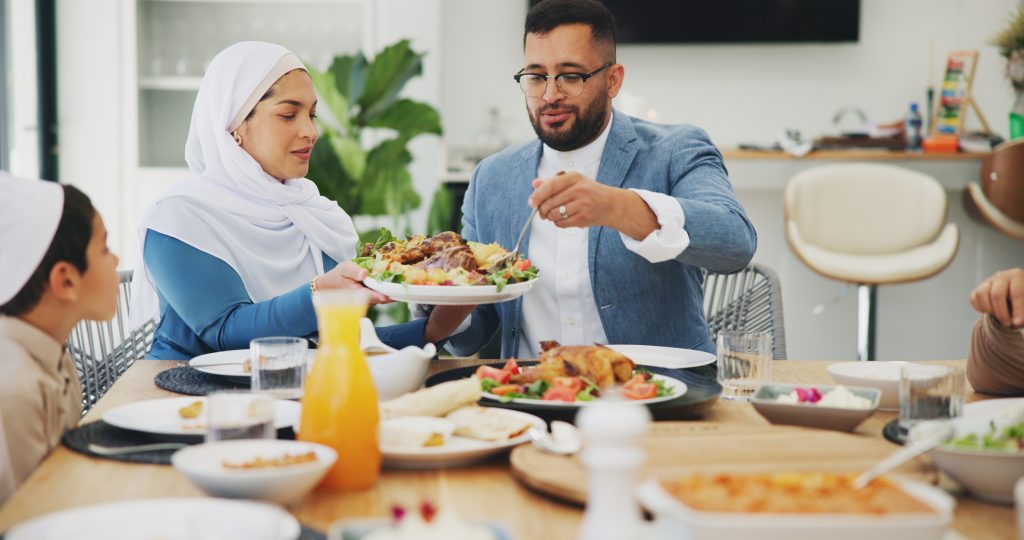
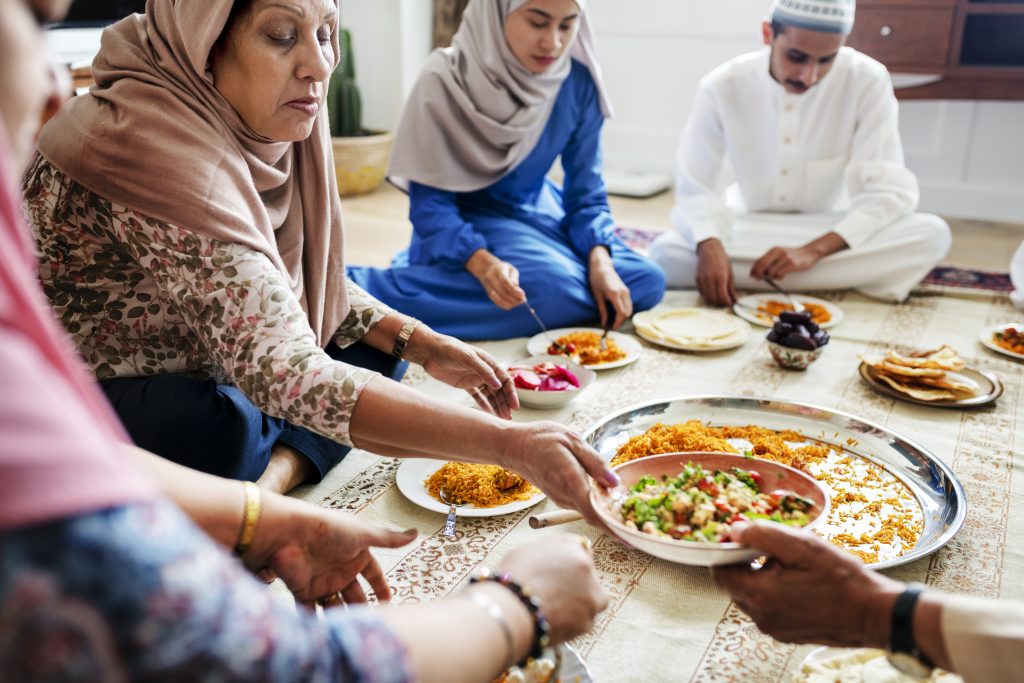
Living a healthy lifestyle in the United States often means balancing convenience, nutrition, work schedules, and personal values. For Muslim families, Zabiha food fits naturally into this equation. Rather than being a limitation, Zabiha offers a structured, intentional approach to eating that aligns well with modern American health goals.

Best Zabiha Food Choices for Fitness-Focused Muslims

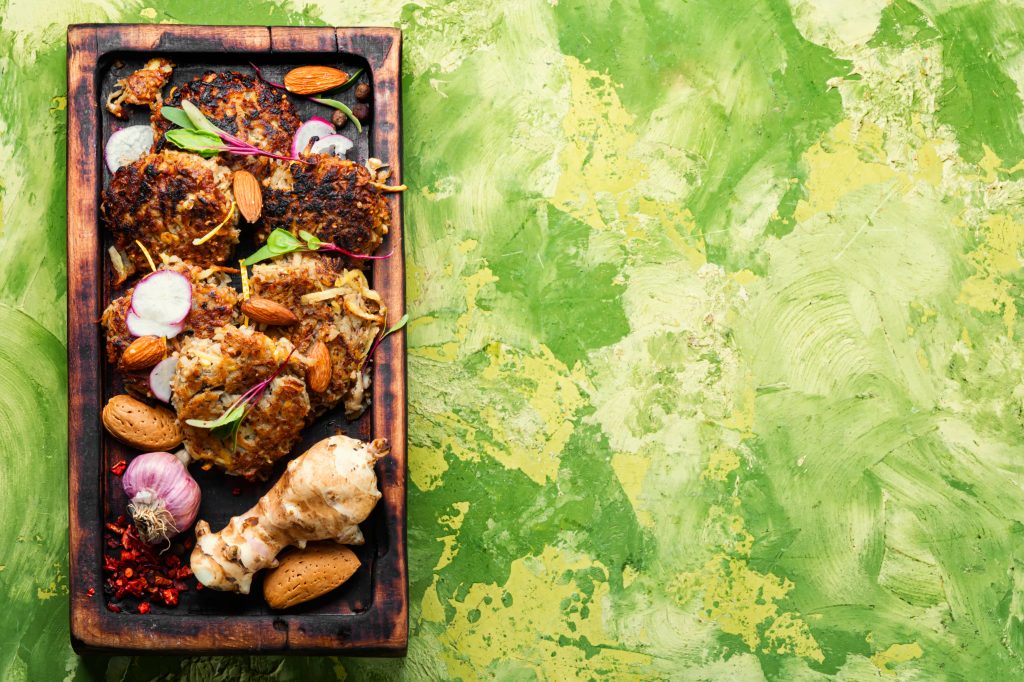
Fitness-focused lifestyles are increasingly common among American Muslims. Whether the goal is fat loss, muscle building, endurance, or general wellness, nutrition plays a decisive role. Zabiha food choices, when selected and prepared correctly, support fitness goals without compromising religious values. The key is understanding which Zabiha foods deliver the best balance of protein, energy, and recovery support.