










What Does Zabiha Mean for Muslims Living in the USA?

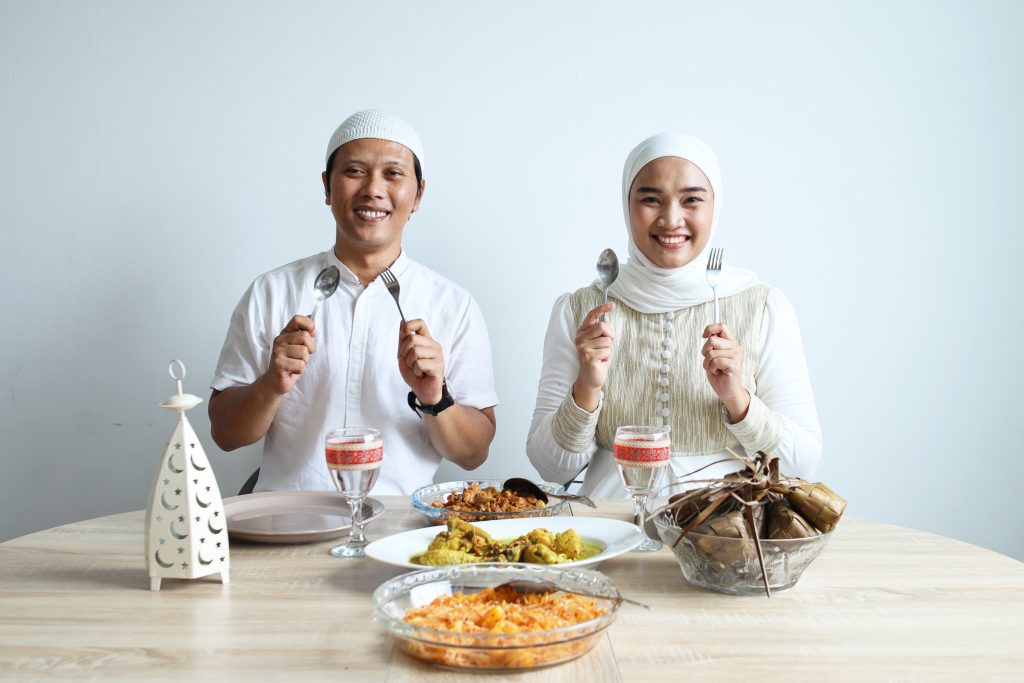
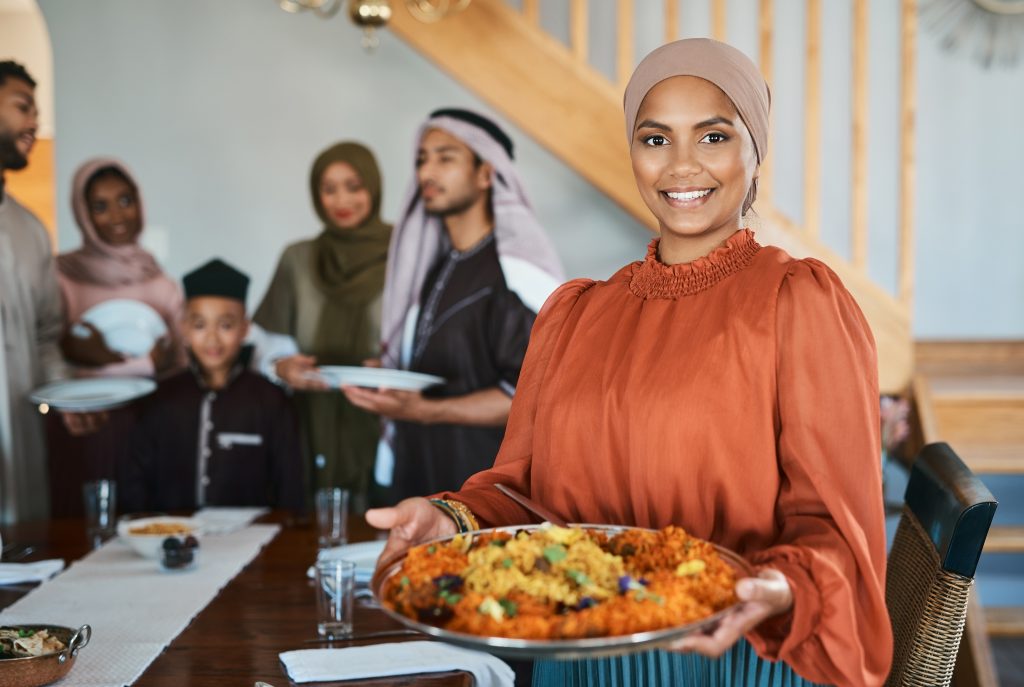
For Muslims living in the United States, food choices are not just about taste or convenience—they are deeply connected to faith, identity, and daily religious practice. One term that comes up frequently when discussing halal food is Zabiha. While many people hear the word often, its true meaning and importance are sometimes misunderstood, especially in a Western context. Understanding what Zabiha means helps Muslim consumers make informed dining decisions and maintain religious confidence while living in a non-Muslim majority country.
Is Zabiha Meat Available Everywhere in the United States?

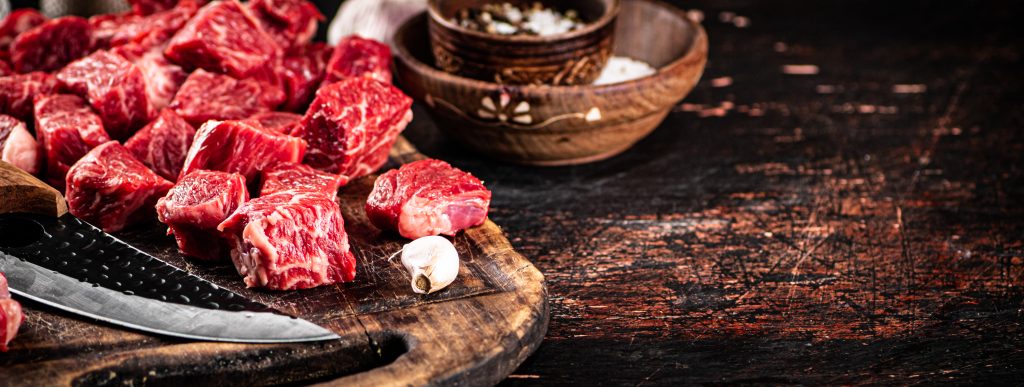
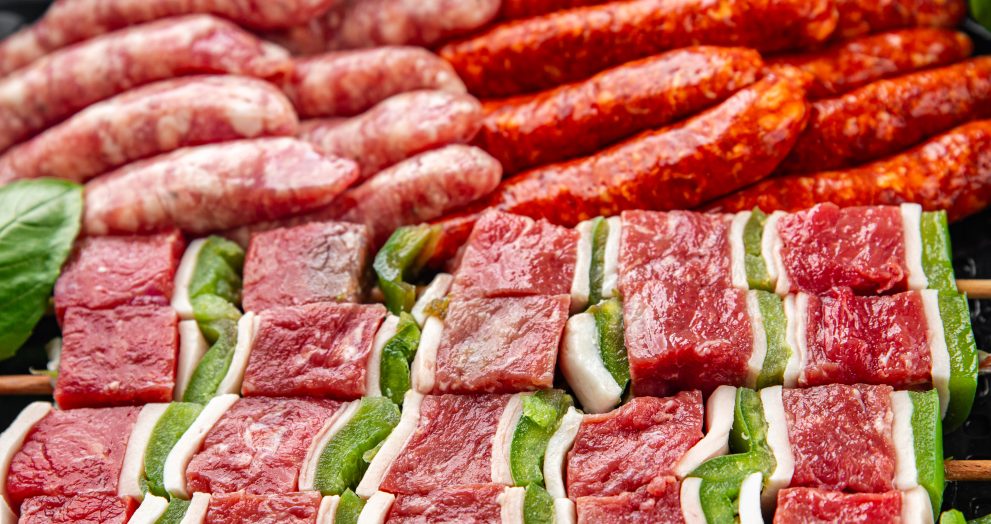
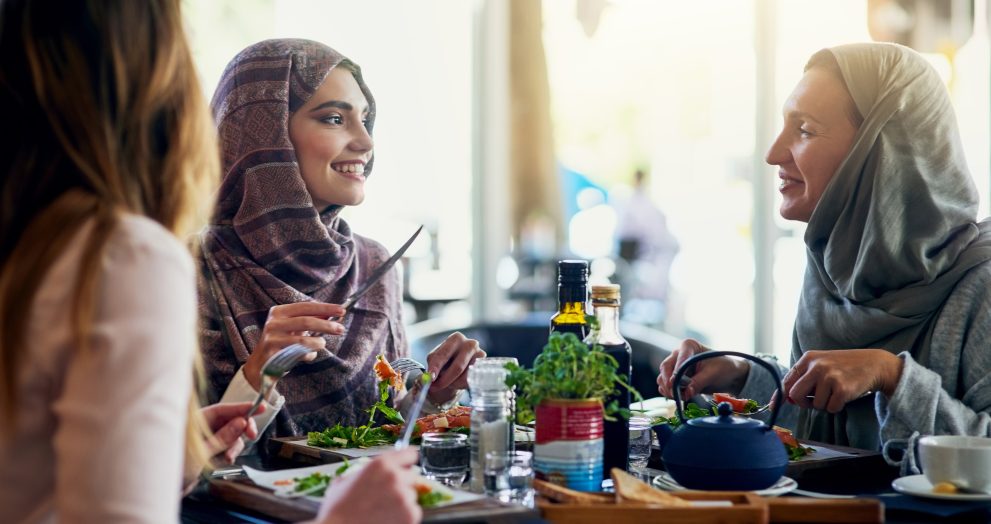
For Muslims living in the United States, one of the most common questions when it comes to food is whether Zabiha meat is easily available. While halal food has become more common across the country, Zabiha meat—prepared according to strict Islamic slaughter requirements—is not equally accessible everywhere. Availability often depends on location, local Muslim population, and awareness among businesses.

Why Zabiha Certification Matters in American Restaurants

In the United States, halal dining options have grown significantly over the past decade. However, for many Muslims, simply seeing the word “halal” on a menu is no longer enough. The growing awareness around Islamic dietary laws has made Zabiha certification an essential factor when choosing where to eat. For American restaurants serving Muslim customers, Zabiha certification is not just a label—it is a matter of trust, transparency, and religious responsibility.

Halal vs Zabiha: What Most US Muslims Get Wrong

In the United States, the terms halal and Zabiha are often used interchangeably. Many Muslims assume that if food is labeled halal, it automatically meets Zabiha standards. However, this assumption is one of the most common misunderstandings within the American Muslim community. The difference between halal and Zabiha is subtle but significant, and misunderstanding it can lead to confusion, disagreement, and unintended compromises in religious practice.

Are Halal and Zabiha the Same in American Restaurants?

In the United States, Muslim diners frequently encounter restaurants that label themselves as “halal.” While this label may offer reassurance, it often raises an important question: are halal and Zabiha actually the same in American restaurants? The short answer is no. Although closely related, halal and Zabiha represent different levels of compliance, and the distinction becomes especially important in the US food industry.

Understanding Halal Labels vs Zabiha Practices in the USA

For Muslims living in the United States, navigating halal food options can be confusing. Grocery shelves, restaurant menus, and food delivery apps are filled with “halal” labels—but not all halal is the same. One of the most important distinctions Muslim consumers must understand is the difference between halal labeling and actual Zabiha practices. In the American food system, these two do not always align, and misunderstanding them can lead to uncertainty and mistrust.

How to Verify If a Restaurant Is Truly Zabiha in the USA

For Muslims living in the United States, dining out often involves an extra layer of caution. Many restaurants advertise halal food, but not all halal claims meet Zabiha standards. Because there is no single national authority regulating halal practices in the USA, verification becomes the responsibility of the consumer. Knowing how to confirm whether a restaurant is truly Zabiha helps Muslims eat with confidence and avoid uncertainty.

Common Red Flags at Non-Authentic Zabiha Restaurants

As demand for halal and Zabiha food grows in the United States, more restaurants are marketing themselves as Muslim-friendly. While many operate with honesty, others use the term “halal” loosely or incorrectly. For Muslims who strictly follow Zabiha guidelines, recognizing red flags at non-authentic Zabiha restaurants is essential. These warning signs help diners avoid uncertainty and make informed, faith-aligned choices.

Questions You Should Ask Zabiha Restaurants in America

For Muslims living in the United States, eating out is not always a simple decision. With varying halal standards and limited regulation, verifying whether a restaurant truly follows Zabiha practices often depends on asking the right questions. While some diners hesitate out of politeness, asking questions is both reasonable and necessary. It protects religious integrity and encourages transparency within the halal food industry.

Top Zabiha Restaurants in New York City You Must Try

Lorem Ipsum is simply dummy text of the printing and typesetting industry. Lorem the industry’s standard dummy text ever since the when an unknown printer took a galley of type and scrambled it to make a type spe has been the industry’s standard dummy text